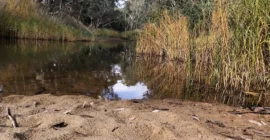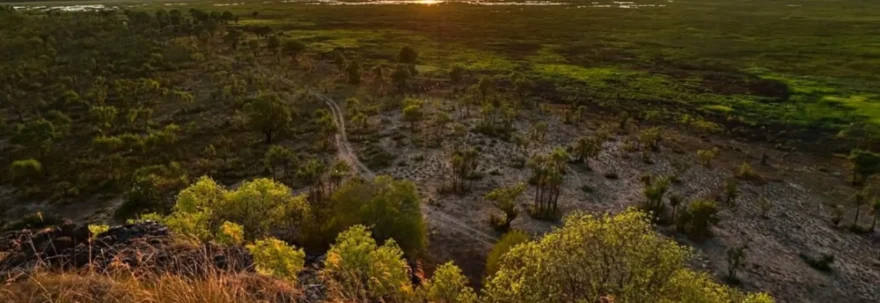

Kakadu National Park is one of Australia’s most stunning landscapes, with ancient rock art sites, Aboriginal culture and unique ecosystems. But behind the famous name is a deeper story – one of Indigenous language, early European exploration and a land full of history. From rock shelters and scenic flights to wet season hunting and saltwater crocodiles, every part of Kakadu speaks to its identity. So how did Kakadu get its name?
The Aboriginal Origins of the Name Kakadu
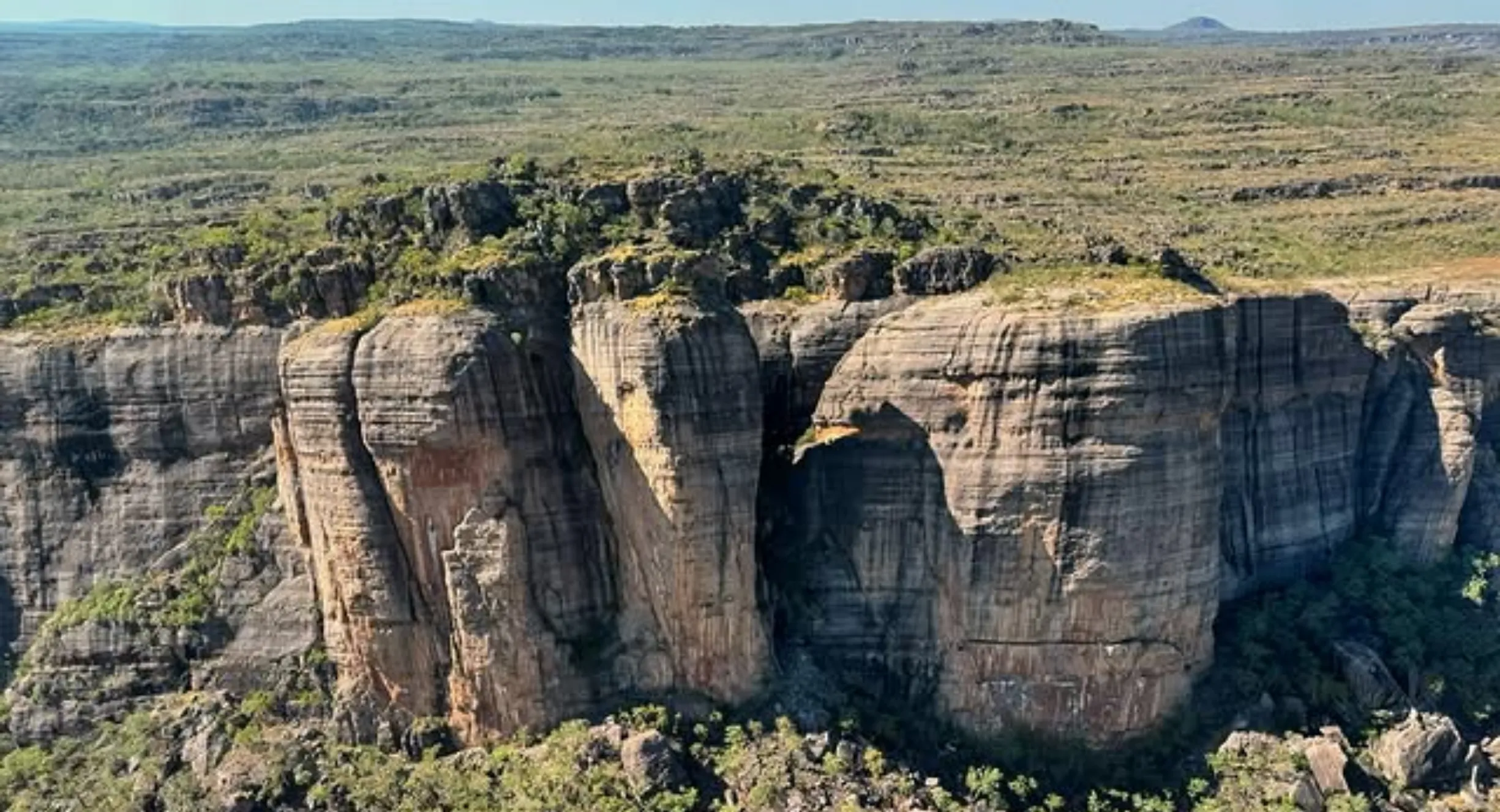
The name “Kakadu” comes from Gagudju, an Aboriginal language once spoken in the northern part of what is now Kakadu National Park. This region – full of Aboriginal land, rock outcrops and permanent settlements – has been home to the Aboriginal people for over 65,000 years. The Gagudju language group once covered the Alligator Rivers region and near Magela Creek, with oral traditions tied to the land’s hydrological features, moist gorges and big trees like the paper bark trees and banyan fig.
Though the Aboriginal population has long known about plant species, animal life and freshwater fish, the Gagudju language is nearly extinct. But its name lives on, embedded in Australia’s most famous national parks.
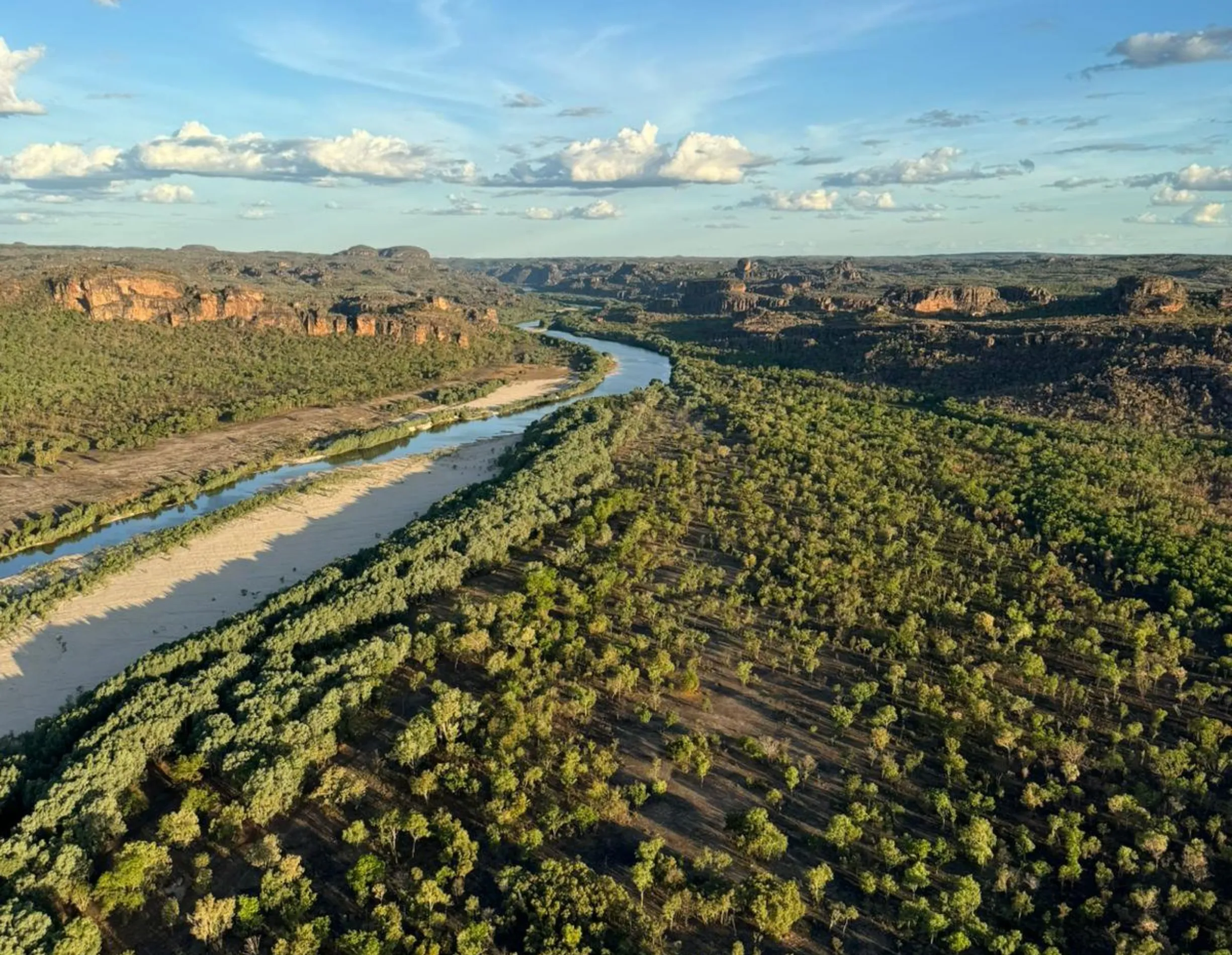
Many people who do a Kakadu tour are surprised to learn that the name itself is a reflection of the area’s linguistic history. Whether you’re doing a 3 day Kakadu tour or a full expedition through Arnhem Land, you’re walking through landscapes that have been shaped by thousands of years of cultural continuity.
Deep Linguistic Roots
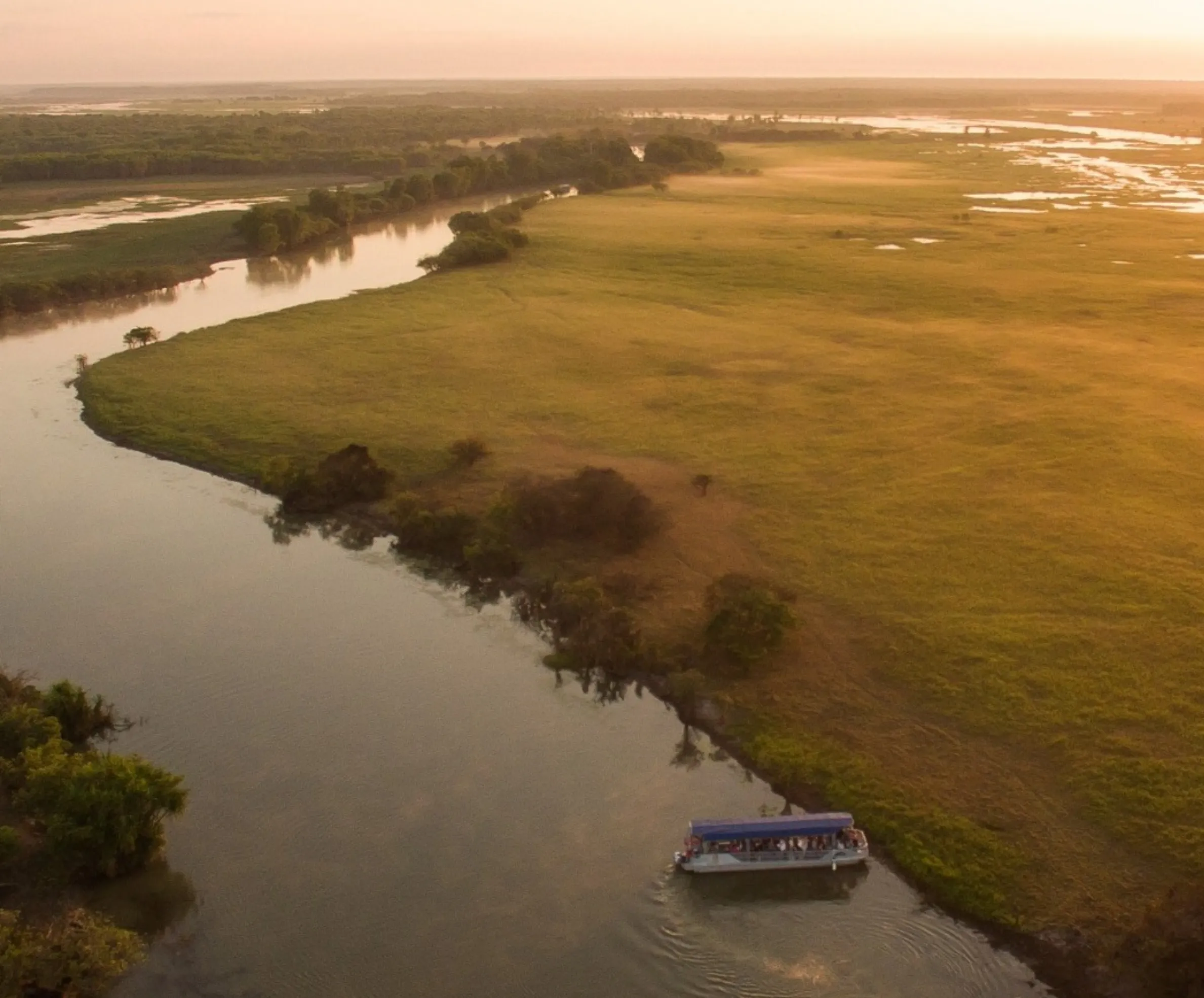
The intact landscape of Kakadu has not just biodiversity but also a network of Aboriginal peoples, each with their own languages and cultural ties. In addition to Gagudju, languages like Kundjeyhmi and Jawoyn are linked to sacred sites, rock art styles, and traditional knowledge about the rainy season, dry season, native fish species, and even frog species like the marbled frog and northern bullfrog.
These languages talk about fresh food, Feral Buffalo, and the best camping sites during the wet season or dry conditions. Places like Muirella Park, Mamukala Wetlands, and Koolpin Gorge are central to traditional activities such as crocodile hunting, buffalo hunting, and seasonal foraging for varieties of water lilies, hardy succulents, and feature sedges.
On Kakadu tours, you will get to see how these languages shaped Indigenous life.
European Interpretation and Miscommunication
When early European explorers like Phillip Parker King, John McDouall Stuart, and Abel Tasman arrived in northern Australia, they struggled to understand the Indigenous language. The name “Kakadu” likely came from a mispronunciation or misunderstanding of “Gagudju” by early settlers, surveyors or officials of the 19th and 20th centuries.
In journals from colonial times and during inquiries into land use, European writings often showed confusion about the true meanings of Aboriginal words. From Nourlangie Rock to Anbangbang Billabong, many names were adapted, altered or misunderstood. Places like Cahills Crossing, Coronation Hill, and Barramundi Creek were named without full knowledge of their Indigenous significance.
This moment of linguistic miscommunication is now part of the branding of popular Kakadu National Park Tours, even though it may not reflect the original pronunciation. It’s a reminder that understanding the true cultural origins can enhance the experience of any Kakadu trip.
Kakadu’s Name Reflects
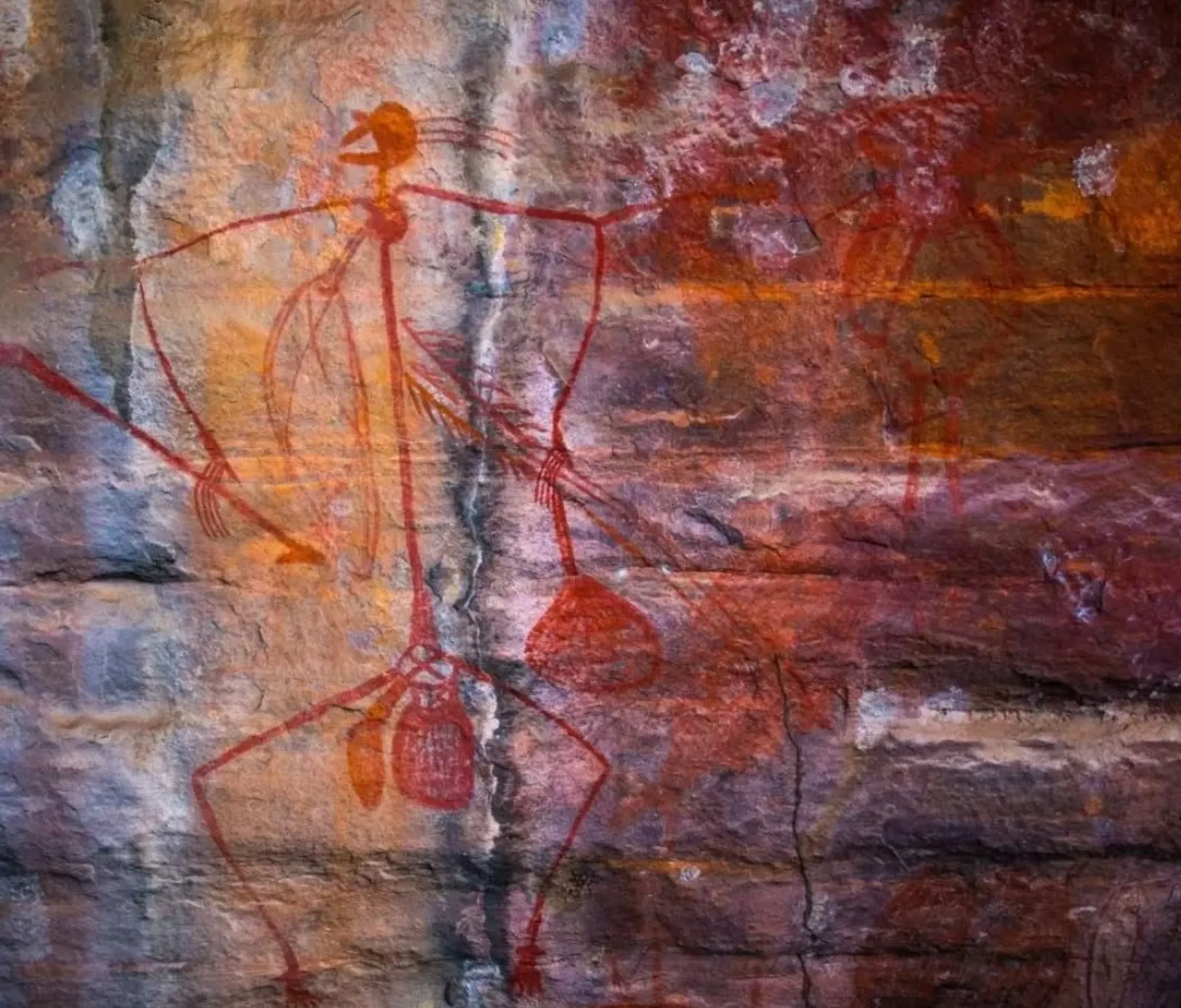
Today, “Kakadu” means more than a park—it means the survival of Aboriginal hunters, rock art painters and people connected to the country over thousands of years. The region has beautiful waterfalls like Jim Jim Falls and Twin Falls, uranium deposits and outlying formations with great paintings and good shelter under rock overhangs.
Whether you’re watching Estuarine Crocodiles at Yellow Water Billabong, exploring coastal waters or photographing bird species near Pine Creek, every part of Kakadu is Aboriginal land management, stories of crocodile hunting, and sacred traditions passed down through oral history.
Even movies like Crocodile Dundee—filmed partly in Kakadu—helped influence people around the world to understand the raw power and beauty of the Northern Territory. But beyond the pop culture appeal is a fragile floodplain, a wide range of wildlife and deep cultural landscapes that need to be protected.
The Importance of Language in Kakadu’s Future
Thanks to Parks Australia and traditional owners, we’re now working to revive Indigenous languages, protect native plants and cultural heritage through archaeology, art sites and Aboriginal tourism like Yellow Water Cruises. These services include guided tours of Nourlangie Camp, talks on climate extremes, and info on reptiles, birds, and isolated waterholes.
Language is key to understanding the Kapok tree, the itchy tree and the ground layer of lowland forests, annual rainfall, max temp and body temp in tropical cyclones or extreme weather.
If you’re planning a visit, a 3 day Kakadu tour is the way to go to get a feel for the park’s cultural and biodiversity. From Mamukala Wetlands to Cahills Crossing, you’ll see more than just pretty landscapes—you’ll find stories, survival and sacred connections.
Conclusion

So how did Kakadu get its name? The answer is in the Aboriginal word “Gagudju,” a language once spoken in northern Australia. Through time, European miscommunication and we got the name “Kakadu”—but the roots are Indigenous.
From Mundogie Hill to Groote Eylandt, from dairy farms to mining booms and commercial hunting, Kakadu is layered with stories. It’s where Steve Parish photographed wildlife, where Glenn Murcutt found architectural inspiration, and where traditional owners maintain their connection to sacred waterholes, paperbark rafts and coastal mangroves. Knowing the story behind the name brings us closer to the land’s true cultural value—it reminds us that Kakadu is not just a national park but a living, breathing legacy of Australia’s oldest civilisation.
Whether you’re on a scenic flight, a guided walk at Nourlangie Camp or a Kakadu National Park tour, remember this is more than a place—it’s a story. Your Kakadu trip is an adventure and culture, language and wisdom of one of the oldest civilisations on earth.
FAQ
What does Kakadu mean?
Kakadu is from the Gagudju language, an Aboriginal language that was spoken in the northern part of Kakadu National Park. Although the language is no longer spoken, the name remains as a symbol of the area’s cultural heritage.
Who named Kakadu National Park?
European settlers probably adapted the name from the Gagudju language, but it was formalised when Parks Australia and the Australian government declared the area a national park in the 20th century.
How do I explore Kakadu’s culture and history?
Booking a Kakadu tour—especially a 3 day Kakadu tour—is the best way to see its landscapes, wildlife and Indigenous heritage in depth.
Are there guided Kakadu National Park tours?
Yes, there are many Kakadu National Park tours available that offer guided tours to Jim Jim Falls, Yellow Water and Nourlangie Rock.
Why is it important to know the meaning of Kakadu?
Knowing the meaning of the name deepens your respect for the Aboriginal people, their languages and their connection to the land—making your Kakadu trip more meaningful.