There is a basic tenet to seasonal care of your outdoor surfaces: let the weather and local hazards dictate your cleaning, not some calendar date. A deck in the shade of Melbourne will have a routine all its own compared with a Pilbara driveway baked by the sun; up Top End one might attend to a patio after the wet has passed instead of prior to it.
I am Thomas Murphy of Fremantle. Here we put up with salt air, the winter rain and strong sunlight, they all make themselves known. The way to go is to give your surfaces a once over when the season turns, get the dirt off before it can stain or grow slippery and apply the most unobtrusive method that will do the job. Do not be fooled by what the label on the product would have you believe as to how long a task should take; drying time and drainage are more often than not in charge.
Cleaning in Step With the Climate

One does not find the same outdoor-cleaning environment across Australia. From the suburbs on the coast to the cool cities of the south and the dry interior, the issues are varied. Any worthwhile plan of maintenance must be predicated on local conditions. For Melbourne-specific considerations, see the optimal timing for Melbourne cleans.
The Bureau of Meteorology has the figures for regional rainfall and temperature on its Australian climate information and observations site. Make use of them to get a handle on the pattern of the weather and alter your approach if it is unseasonably hot or windy.
Wet Tropics Call for Drying Time
Take Cairns or Darwin where concrete and pavers can stay damp for days after the wet season. It is an invitation to mould and algae, especially around garden beds and under furniture.
Put off deep cleaning until you have a run of dry days at the tail end of the wet season. If there is a cyclone alert or flooding, leave non-essential work for another day. You will not want to be out in hazardous weather for the sake of a clean patio, and detergent is no match for a fallen branch.
Dust Control in Dry Country
Wind will deposit dust in the textured concrete of the Red Centre, inland Queensland and the Pilbara. And with water restrictions, you may be limited in the amount of rinsing you can put in.
Sweep or use a blower first and spot-clean; do not flood the place. A low-water method keeps down the runoff and muddy slurry, which is only sensible when the tap you can rely on is a few hundred kilometres off.
Mould Checks for the South
With the winter rain and the cool of the weather in Adelaide, Hobart or Melbourne, shaded spots can be damp enough for moss to put in an appearance on your paths and steps.
Have a look at those shaded surfaces come the end of winter and before you start any spring entertaining. Clear the leaves, pick a mild day to clean and let it dry out completely before putting on a protective coating.
Make a Plan for the Seasons

It is better to have a plan so that minor upkeep does not turn into costly repairs. It will also save you from the folly of cleaning a surface ahead of a rainy week, much like ironing a shirt in preparation for wrestling a wet dog.
What follows is a schedule to work from, not something to be rigid about. Drainage, tree cover and traffic on the property will see the timing altered one way or the other.
| Season | Priority | Best Suited Surfaces | Watch For |
|---|---|---|---|
| Summer | Oily marks, salt and dust | Metal, stone, concrete and tiles | Bushfire rules, heat stress and rapid drying |
| Autumn | Drainage and leaves | Paths, pavers and decking | Tannins from leaves, dampness and blocked drains |
| Winter | Moisture and anything slippery | Timber, tiles and shaded concrete | Slow drying, algae and moss |
| Spring | Put the area in order with a thorough clean | Fences, furniture and the like | Pollen, coatings in need of repair and ingrained grime |
Every three months or so a household should do a cursory inspection. Where you have pets, children or salt exposure, monthly is more like it. These are practical intervals, not some national average.
On Concrete and Pavers
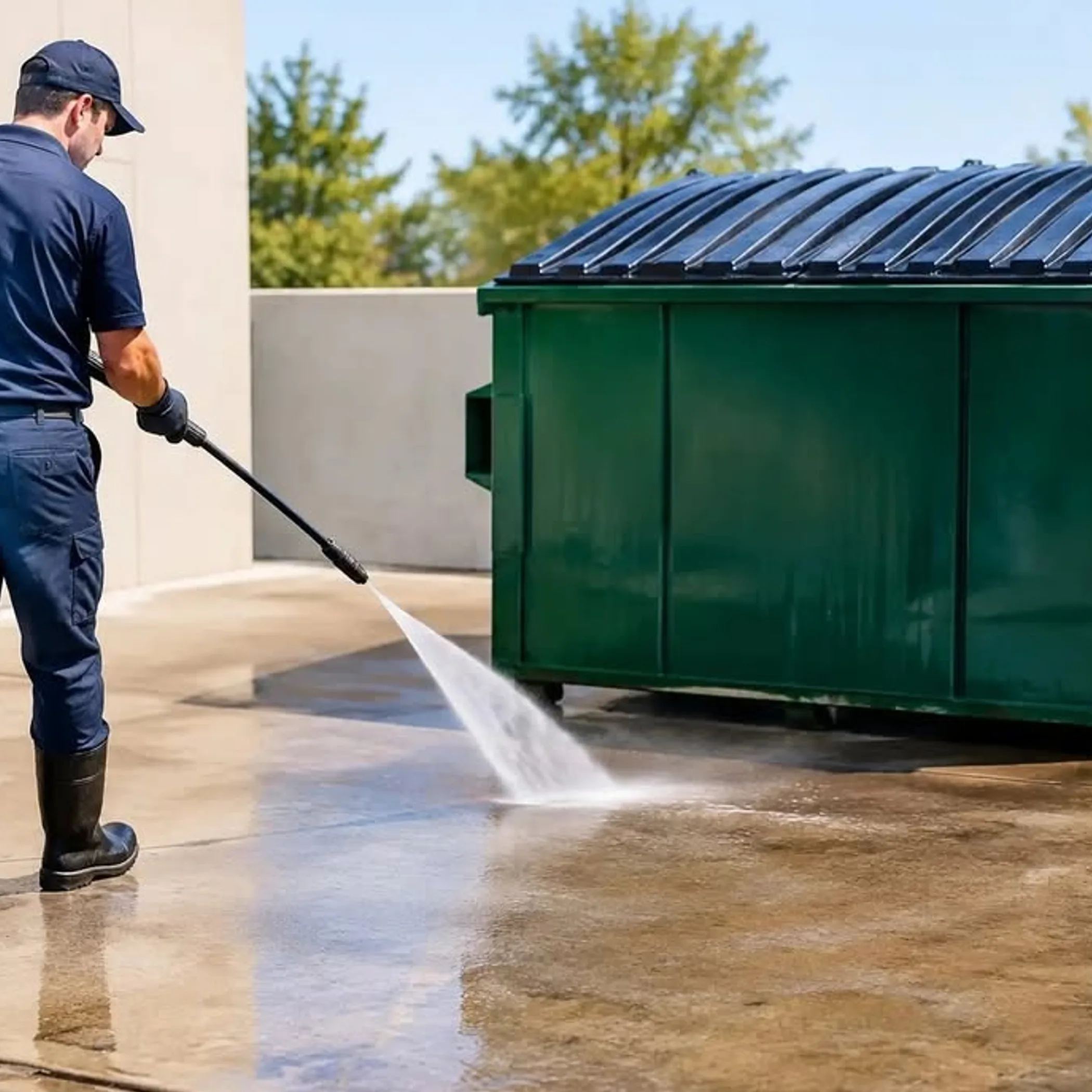
Concrete is best dealt with by way of sweeping and a bit of detergent under controlled pressure. Start with the mildest option, high pressure has a way of stripping a sealer or forcing dirty water elsewhere.
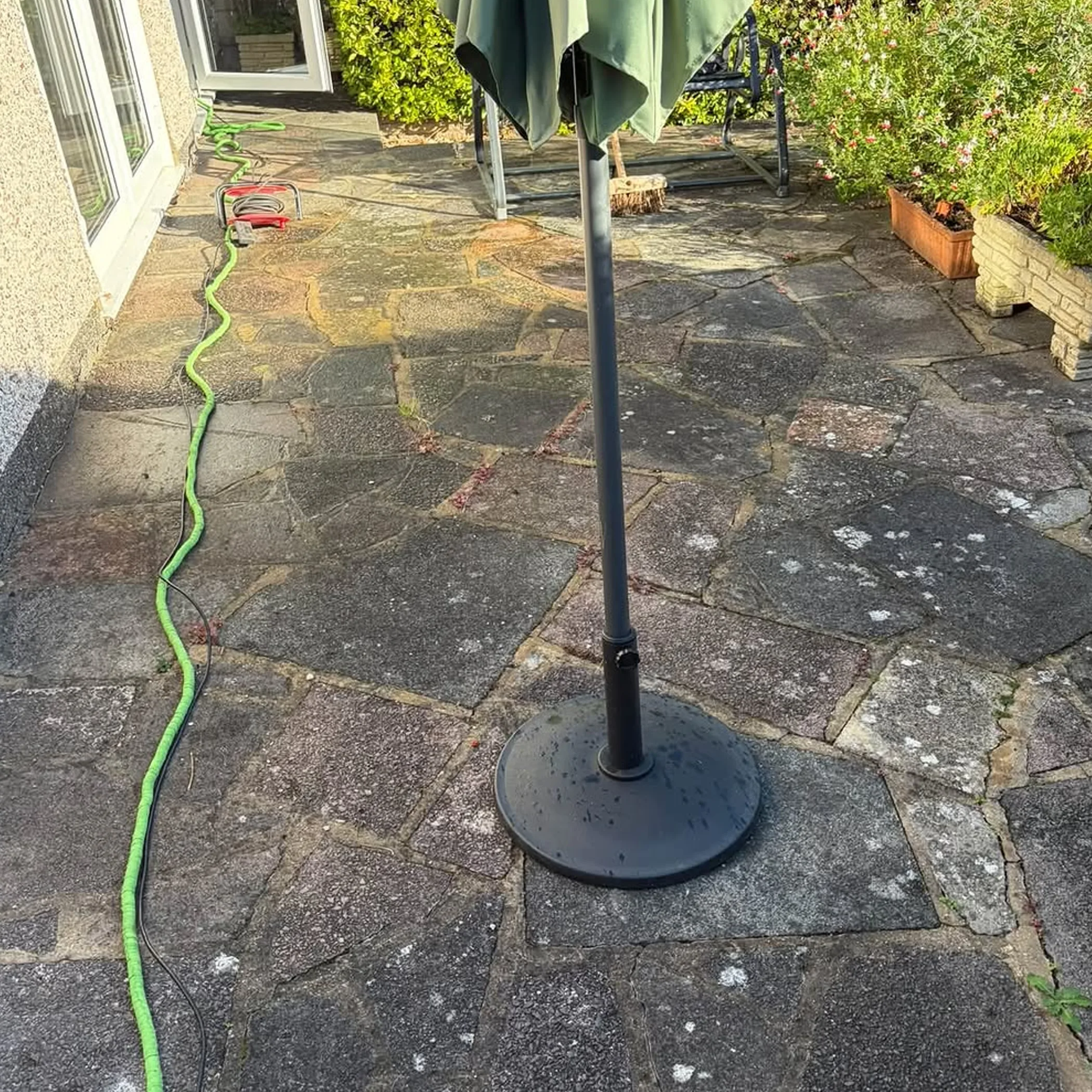
With pavers, look at the joints prior to washing. Too much pressure and you will dislodge the sand and the edges will be loose. When it is dry put the sand back in, follow the instructions on the packet, do not just guess with a bucket.
Timber And Composite Decking
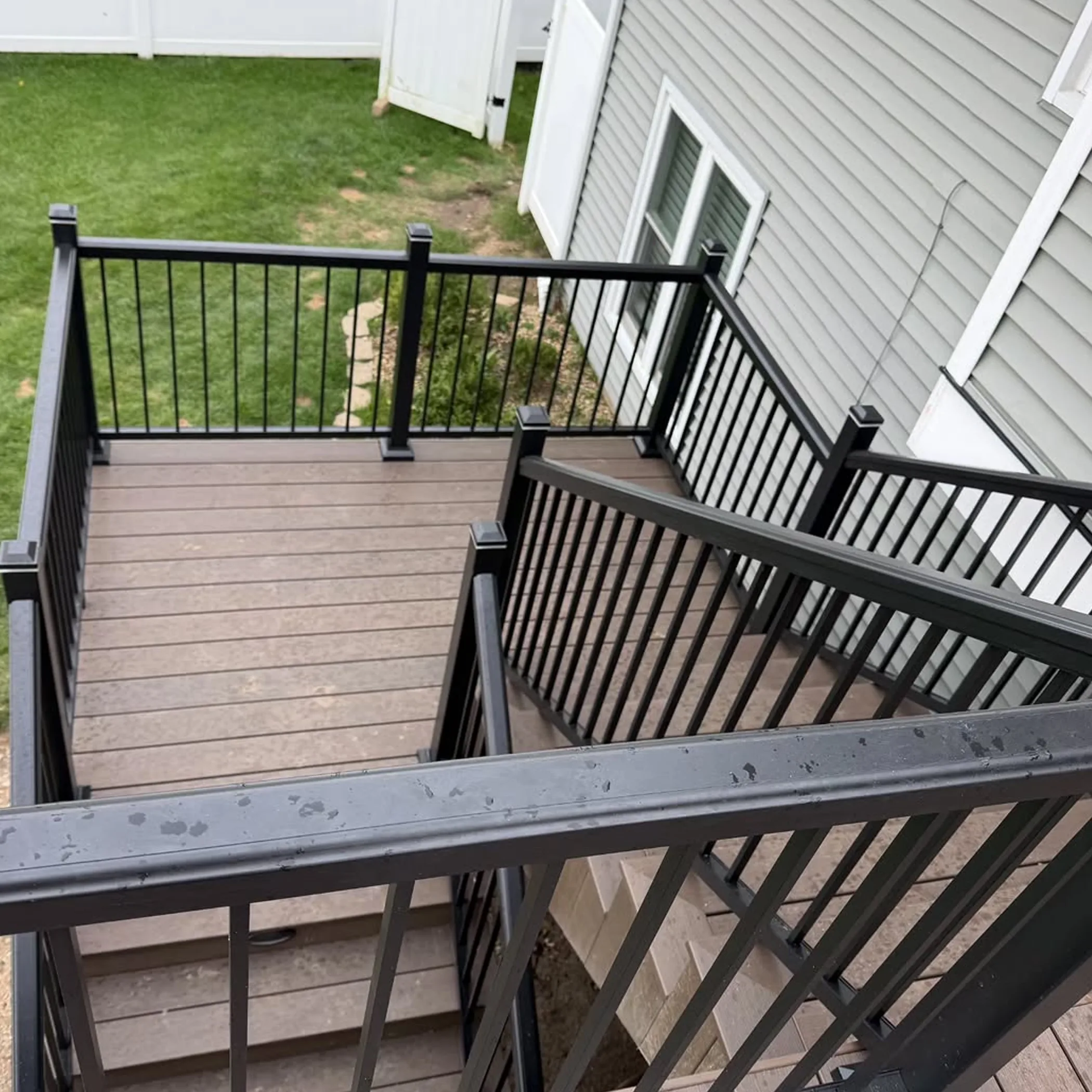
One has to be more circumspect with timber than concrete. The right way to go about it is to sweep in the direction of the grain and put a proper timber cleaner to work; do not let the pressure washer dwell on one spot or you will have a mess of what look like furry splinters to show for your efforts.
Then there are composite boards. They may be sold as low maintenance but they require some attention all the same. You will find dust, food and leaf stains making themselves at home in the texture of the board. Before you set about the whole deck, give it a good rinse and see how any product performs on an unobtrusive part of it.
Stone And Outdoor Tiles
Be wary of natural stone, which can be porous and marked by the wrong chemicals, or sensitive to acid. Limestone and sandstone, along with certain cement surfaces, call for caution. A label that says a product is for concrete does not make it safe for every type of stone.
Grout lines and textured finishes on outdoor tiles are where grime will go. Put in the time to clean off small areas and rinse well. Make sure your wastewater is not finding its way into a neighbour’s garden bed or stormwater drain.
Safer Ways To Clean
There is no need for drama in outdoor cleaning. The most powerful chemical or the machine with the loudest noise is seldom the best option to begin with, particularly when there are painted surfaces, a garden, children or pets in the vicinity.
If the label says to put on gloves and eye protection and enclosed shoes, then do so. And never mix your chemicals. Let the shed shelf be what it is, a backyard is no place for a laboratory. Keep pets and children at bay until everything has been rinsed and is dry.
A Test Of The Surface
Before you commit the driveway to a method, try it out on a small patch out of sight. Once it has dried you can tell if the gloss has changed or if there is etching, whitening, colour loss or fibres standing up. Work from the clean to the dirty, letting the water run. In manageable sections you can see if you are getting anywhere.
Managing Runoff
Detergent, oil and fine sediment are among the things in dirty runoff. Where necessary employ barriers or absorbent material and be mindful of local rules on disposal of stormwater and waste. Do not put oily or chemical water down a drain because it is handy. Should a spill be of any consequence or threaten to get into a waterway, put in a call to the local authority.
Heat And Fire Considerations
A hot surface will have a product drying on it in no time, leaving streaks or marks. In the summer it is better to work early or late and keep the area to be done small. When bushfire danger is high or the heat is extreme, heeding local restrictions is wise. Some would have you think a patio must be cleaned come what may to accommodate the neighbour’s barbecue, but it is hardly an emergency and can wait.
For Melbourne
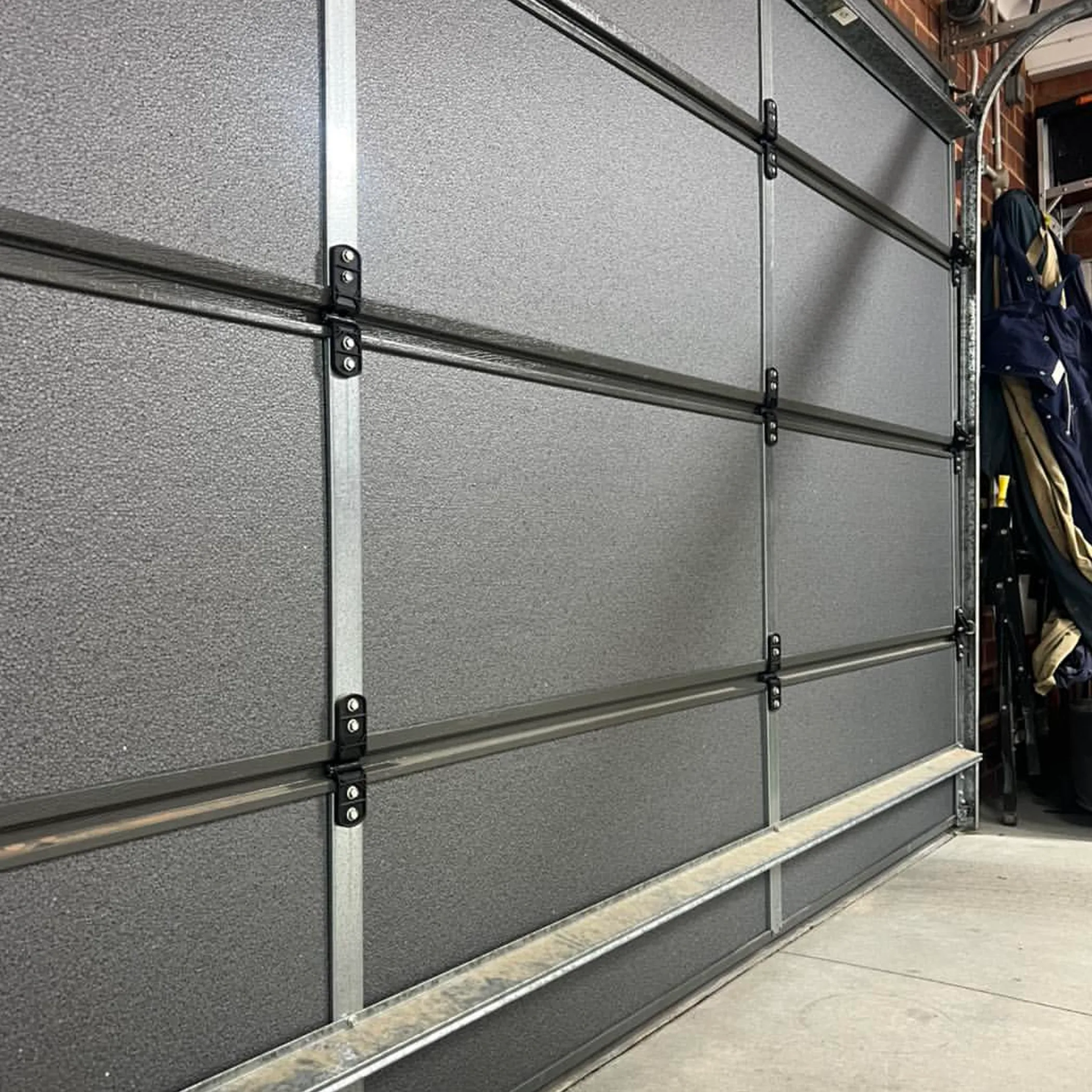
In Melbourne brute force is less of an asset than good timing given the weather. Decks and exterior walls want to be left to dry, so a mild and dry spell is preferable to a calendar month. I would point anyone asking for the best time to have a clean done in this city to a forecast of moderate temperatures and little wind over a few settled days. Shaded spots and south-facing walls, or those hemmed in by planting, will need more time.
Weather Windows
An unusually cold day, strong wind or the prospect of heavy rain are not the time to be cleaning. The wind will carry leaves and solution back over what you have put to rights, and rain will do nothing but dilute the product and disperse the grime. Be realistic about how long it will take to prepare, clean and put away the furniture. A driveway with its attendant drainage issues and a deck will be an all day job; a courtyard perhaps a couple of hours.
Sealing
Do not seal a damp surface. Moisture will be trapped and you will end up with peeling, odd colouring or cloudiness. Wait for it to be properly dry, not just at lunchtime. Sealing is not something to be done in five minutes as a final touch, it is a job in itself that demands the right conditions and that you pay heed to the manufacturer on curing and coverage.
The Cost Of It
To do it yourself with the usual detergent, brushes and gear (what you do not already have) is in the order of AUD 20–80. A contractor could put a price of AUD 150–600 or upwards on it, contingent on the size of the area, access, travel and so forth. These are allowances for planning purposes only. Get a quote and ask what is covered: pre-treatment, stain removal, sealing, moving of furniture, minimum call-out fees and any protection for the garden or walls.
DIY Or Professional Help
For an area of modest size and easy access, where the surface is one you know well and the issue is nothing more than run of the mill dirt, a DIY approach is fine. Do not attempt it on something fragile or hard to rinse in safety, or if the surface is elevated, oil contaminated or badly stained; these are better left alone.
Then there are the large driveways, commercial paths with a slippery edge, heritage stone and high decks that call for equipment of a specialist nature. In such cases put some thought into hiring a professional. Do not go with the “we will have a blast and see” attitude; make sure they can show you their insurance and put forward a method they can explain.
One-Day Priority Plan
With but a day at your disposal, concentrate on what is used every day and matters for safety: the main entertaining space, front steps and entrances, any shaded path. Decorative walls and low-traffic corners, not to mention a distant fence, can be put off until next time.
Put in some time moving furniture and give the place a good sweep before you put water on it, and check the drainage. A final walk over to spot standing water, loose pavers or raised timber fibres and any patches that are still slick is in order.
A Checklist of Sorts
There is value in a brief checklist to keep things on track should the weather turn or the family want to know about lunch. It staves off the habit of tidying up the obvious middle of a surface and leaving the edges where the grime has made its start.
- Foremost, check for water restrictions and any local warnings in the forecast.
- Make a note of the surface material and try out the cleaning method.
- Get the furniture, cobwebs and loose dirt out of the way.
- Walls, drains, electrical gear and plants in the vicinity should be protected.
- Work in small sections so the detergent does not get a chance to dry.
- Rinse as you should and let it dry out.
- Look for damage prior to resealing or putting down jointing sand.
Reality Check
The expectation is that a session with the pressure washer will have every outdoor surface looking like new. The reality is that while the dirt is gone, cracked concrete or faded coatings will not be mended, nor will it do anything for poor drainage or weathered timber.
You might think a stronger chemical or some bleach is invariably superior. In fact the wrong product is apt to harm stone, metal, paint and sealers as well as your plants. What you want is a method that gets the job done with minimal force and side effects.
And while summer is supposed to be the time to do it, the heat and dust, to say nothing of bushfire risk and water limits, can complicate matters. A quiet day in the shoulder season is often more to your liking and gets better results in most parts of the country.
Some Answers To Cleaning Questions

You will hear no end of confident advice from the internet, the hardware store and neighbours on how to treat your outdoor surfaces. Here is what is sensible and what is mere folklore that will leave a driveway in a patchy state.
How often is cleaning called for?
Have a look at them once a quarter and when you see algae, mould, leaf stains or a slippery film, do something about it. More so for a coastal or well trodden surface, less so in a sheltered spot.
Is pressure washing safe across the board?
Not at all. Old mortar, soft stone, timber and paver joints can be ruined by it. Test first, keep the nozzle in motion and use the least pressure that will do. A brush and a measured rinse is preferable for some.
To clean ahead of a heavy rain?
Wait on it. The rain will dilute your products and send the loosened grime and dirty runoff into the stormwater or garden. Pick a period that is settled and gives the surface time to dry.
Why is the mould back again?
Because there is still moisture and shade and organic matter about, or the drainage is not up to scratch. You have cleaned the growth but to put an end to it you may have to prune some vegetation, clear the gutters and see to the water flow.
Time to re-seal?
Only if the surface is sound, dry and will stay that way for the curing process, and the product is right for it. Put it to the test on a small part first and heed the instructions. Sealing a damp or damaged surface is not going to fix the problem, just cover it up.
Sensible ways to work
In the various Australian climates the best care for your outdoor surfaces is one that is practical and takes the weather and risk into account. Control the runoff, test your chemicals, be prompt with moisture and do not be swayed by the label’s rosy estimate of drying times.
It is a way of having your decks and paths in good order and safe without making a full scale expedition of every Saturday. In the end the climate in Australia has the last say. Read the forecast before it has a chance to speak.
