One does not have to be an expert to know that cliff erosion on Australian beaches is a fact of life, yet it is also something you can put too much stock in if you are not careful. The risks are as changeable as they are real. Even on a fine afternoon there may be rock above a beach that is anything but stable, especially if a storm has been and gone or heavy rain and wave action have done their work.
Thomas Murphy here from Fremantle in Western Australia. I have put in my time with coastal drives and ferry timetables, and more than one over-optimistic notion of how far a day’s travel will take me (not to mention cheap cameras). It has taught me a thing or two: do not think of the coast as some fixed postcard. Cliffs will retreat, a track can shift and access be denied; at times the best vantage point is to be found five minutes away from the edge.
What Visitors Should Know About Cliff Erosion
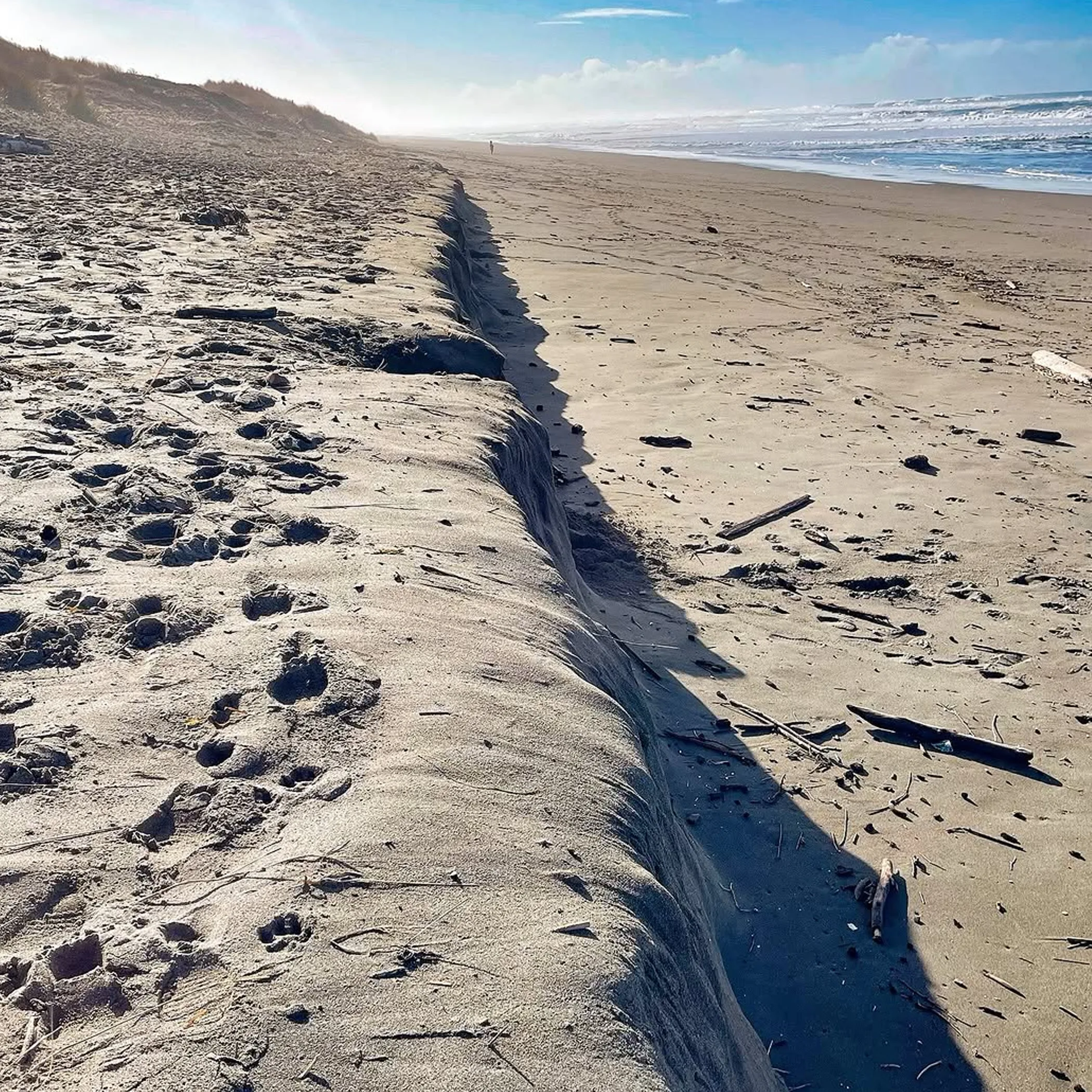
It is a matter of visitor safety, not just geology. Following beach and cliff walking tips can help visitors stay safer. Waves, wind, rain and groundwater all conspire to weaken or take away at a coastal cliff. It is a slow process until it is not, when a bit of rock or soil, perhaps some vegetation, comes down on to a lookout, road or track. A cliff might appear sound enough while it is putting in cracks behind its face or giving up support at the bottom. Put simply, the ground could be making quiet preparations to lie down.
A Sudden End To Slow Retreat
Coastal recession is the term for the way a cliff line or shoreline moves inland over time. When a home, car park or stairway is near the edge, even modest changes over the years become a problem for those in the locality.
Often there is a trigger for the more hazardous moments. A slope is made heavier by waterlogged soil after a drenching. Or waves will undercut the lower part of a cliff. Storm surges put more force on the coast and clusters of storms don’t allow for much recovery.
The Instability Of Australian Cliffs
With such a varied and lengthy coastline, the reasons for erosion are not the same everywhere. Limestone, soft rock, clay banks, sandy bluffs and layered sediment have their own way of dealing with the elements.
A sensible visitor will read the landscape accordingly. There is no guarantee of safety in a dry cliff any more than a placid sea puts right what a few days of storm damage has wrought.
Weather, Water And Waves
Take wave undercutting for instance. It is a plain enough driver of erosion: waves hit the base of the cliff and clear away material, leaving the upper portion without support. An overhang gets too much for the structure and you have a collapse or rockfall.
Rain is another matter. It seeps into the cracks, puts pressure on the cliff and softens the soil. Go through enough wet and dry cycles and you will see fractures open up. Groundwater in some spots will find a weak layer and make a firm face as rough as guts. Then there is the matter of rising sea levels which, over time, means more in the way of flooding and wave attack. Not every cliff is going to give way today, but the risk is compounded. Dune and sand erosion can leave the toe of a cliff or infrastructure in front of it without its natural defences.
How The Shoreline Is Altered
Buildings, roads, boat ramps, groynes and seawalls put their mark on the movement of sand and water. You may be protecting one spot at the expense of another, so local studies are called for in coastal management.
And visitors have their part to play. Climbing close to the edge or taking an informal track across the dunes does harm to the vegetation that holds things in place. One footprint is nothing, but put a thousand to it and a stable route becomes a channel for erosion.
Hazards Of A Cliff Collapse
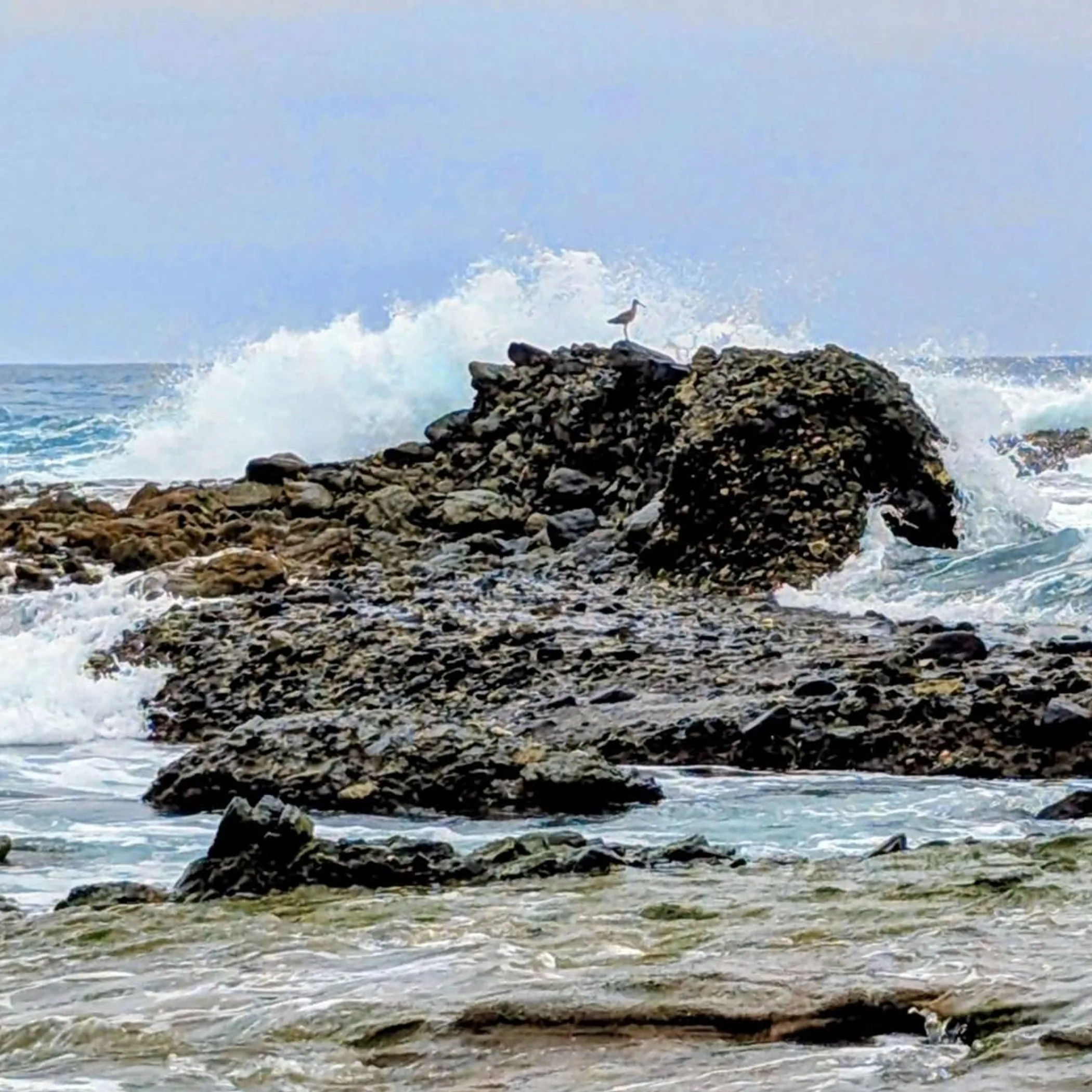
Rockfall is the principal threat, but being stranded below a cliff as the tide comes in or having your way blocked is another hazard. To be safe on the beach you have to look beyond the pleasant water and give thought to the weather that was there before you and the ground overhead.
Tell tale signs of an unstable edge are bulging, new cracks, exposed roots, a fence or tree leaning to the beach, overhangs and muddy seepage. Fresh piles of rock or small stones on the path may mean there has been some larger movement, though none of these are a sure bet that a collapse is imminent. One should not be found under an overhang, or have a picnic blanket put out next to a recent rockfall, nor is it wise to make the foot of a cliff your lunch table. Unstable faces are to be avoided at top and bottom alike. Be aware that a cliff edge can give way some metres from what you see as the lip, in places where there are cracks running with the coast for instance.
Tides, Waves And Access
The water will render a beach impassable at high tide that was open enough at low. This is the case in and around headlands, coves with cliffs behind them and any narrow beach. In the rush to get to the sand people will sometimes overlook the question of how they are to get back.
Then there is the matter of surge and storm which can send waves further up than one would think. Do not count on a patch of dry sand by the cliff staying so for the duration of your walk. If you find yourself having to wade, scramble or squeeze under rock that is not sound, you are on no visitor’s route.
Where Vulnerability Is Most Visible
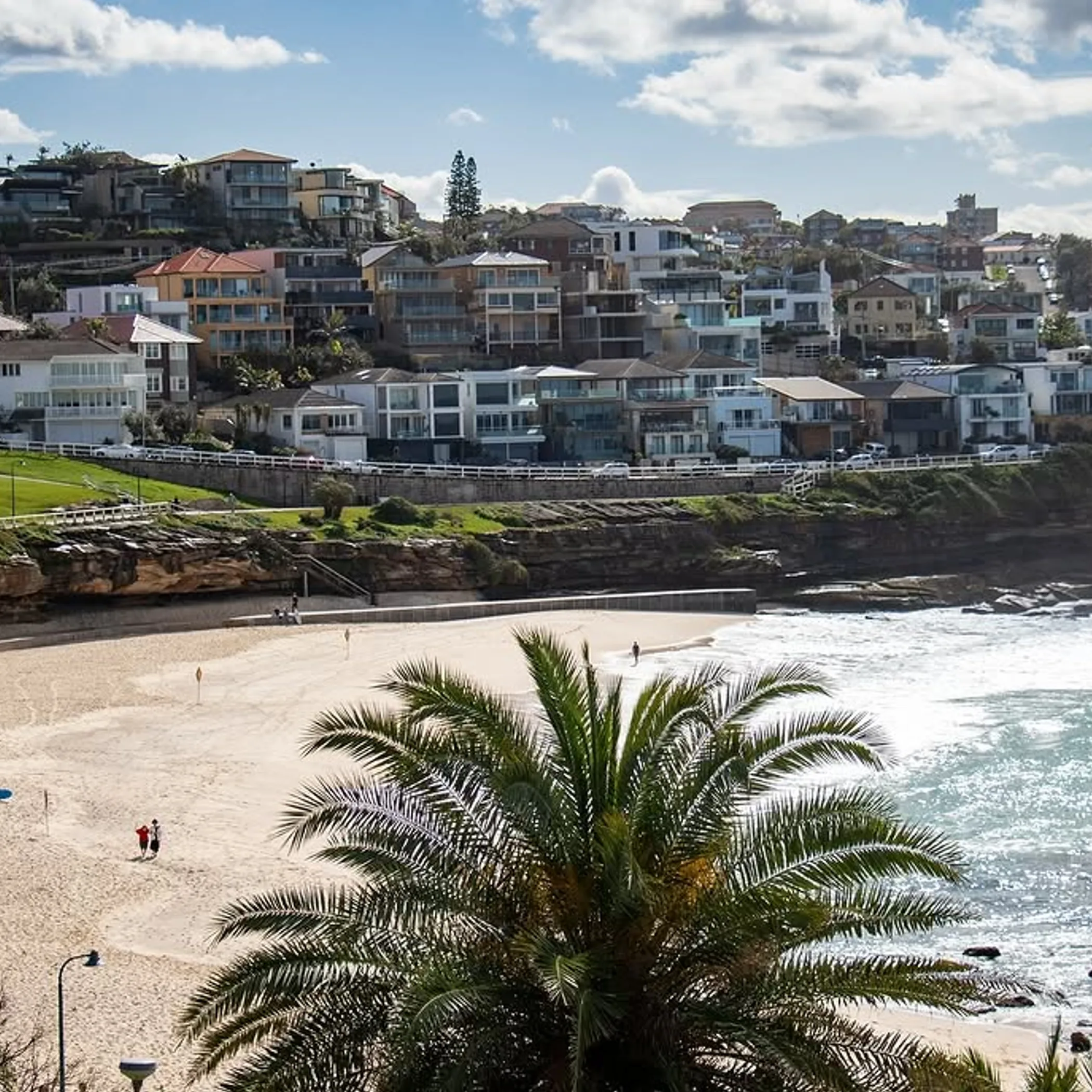
From soft cliffs to exposed headlands and development right up to the shoreline, Australia has its share of erosion-prone beaches. But vulnerability is a local thing; you could be but a short drive from one part of a well known coastline to another and find stability giving way to instability.
Rain and storms alter conditions, so take heed of what park managers and local authorities have to say before you set off. For national climate and geoscience data there is Geoscience Australia and the Australian Climate Service, while state agencies and councils are the ones making the specific access calls.
Victoria’s Great Ocean Road
Persistent wave action has left its mark on the lookouts, sea stacks and steep cliffs of the Great Ocean Road. The Twelve Apostles draws visitors in droves yet the fact a view is highly photographed does not entitle one to go over barriers or near an unstable edge.
Parts of this coast are in the hands of the Great Ocean Road Coast and Parks Authority who put out information on conditions. Heed the signs and closures and put aside time for parking and weather and to put in the walking between lookouts. It is no race down the coastal road; the cliffs have been going about their business long enough.
New South Wales And Victoria
Beaches, dunes and infrastructure have all been subject to coastal erosion in parts of New South Wales such as The Entrance North and Wombarra. You cannot generalise from one suburb to the next. On the Mornington Peninsula in Victoria too, rainfall and wave attack will have an effect on the tracks and access of the popular walking areas and cliff-backed beaches. A wet spell or a storm from the coast is reason to check the local signage first.
Western Australia’s Exposed Coast
With its limestone and dune systems and the way the weather can turn, Western Australia has long runs of exposed coast. Winter fronts will put down heavy rain and a strong swell in the south-west and Perth, while up north the wet season and cyclones from November through April can make quick work of access and cliff conditions.
A remote beach is not a suburban excursion and demands more forethought. There may be no mobile signal, the roads are apt to be rough and you could be waiting for help. Have some drinking water on hand and let someone know where you are going; a quiet beach is not an empty emergency plan.
Impacts On Homes And Habitats
It is not only dramatic collapses that do property damage. Erosion along the coast will in time undermine foundations and lay bare services, compelling authorities to put a stop to access or move it. Roads, car parks, seawalls and buildings are all at risk.
The same goes for habitats. Dunes and intertidal zones and nesting areas can be lost or shift. Sand taken from one beach means more wave energy or a narrowing of the nearby shore. In the end the change in the shoreline is something residents and wildlife and local businesses have to deal with in common.
Expectation Versus Reality
There is a notion that a wall can be put up and the matter resolved. That is not how it works. Such a structure is costly to build and maintain and will alter the currents and the sand. More often you will see managed retreat, beach nourishment or controlled access.
For the traveller the point is straightforward: a path that is closed is not an inconvenience to be got round. It is telling you of a hazard or that there is active work being done.
How To Walk Safely Near Cliffs
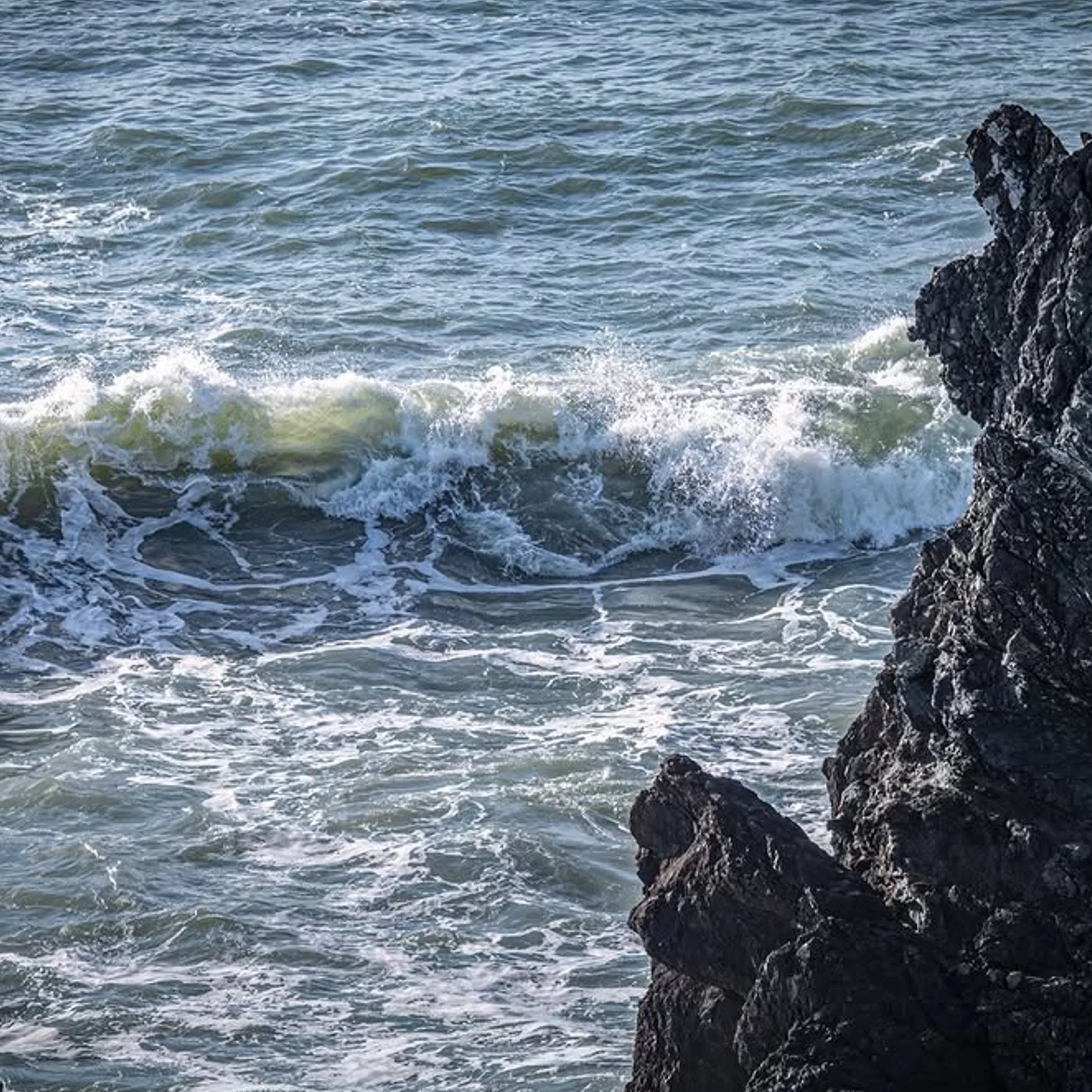
Before you even put the car away in the car park you should be looking at the official alerts and the tides and the weather and track notices to pick a route you can come back on.
Tips for walking these cliffs and beaches apply whether you are on a Sydney headland or the Great Ocean Road or some unassuming spot in Western Australia. They are of particular note for those travelling on their own, older walkers and families.
Practical Safety Checklist
- Do not be swayed by others who have put a barrier or closure sign behind them; you should.
- Give cliff edges, overhangs and any recent rockfall at the top or bottom a wide berth.
- A trip to a beach with a cliff backing calls for an advance look at tides, swell and any storm or rain warnings.
- Make sure your shoes have some grip and there is no temptation to scramble up a loose slope or on rock that is wet.
- Have a plan to be back before the tide comes in, and with it a charged phone, water and sun protection.
- See that children are kept from the edge and dogs do not wander on ground of questionable stability.
- Should you come across blocked tracks, broken fencing, new cracks or fallen rock, make a report to the authorities.
The Right Outing
When out for the day, a maintained lookout or a coastal track with proper signage is to be preferred over making for a beach under a cliff. The map will not account for the time taken to park, get a good photo, contend with the wind or walk cautiously on damp ground so factor in some extra time.
It is an experience for those able to read the signs and handle uneven terrain and, if need be, turn around without taking it as a personal affront from the landscape. A beginner would be ill-advised to go where one has to time the tides, climb, do exposed scrambling or put oneself directly under an unstable cliff.
| Location Type | Main Concern | Safer Choice | Practical Difficulty |
|---|---|---|---|
| Cliff-top lookout | Edge failure, wind | Stick to the signed paths and fenced platforms | Easy as a rule, though exposure can differ |
| Cliff-backed beach | Tide, wave surge and rockfall | Only go at low tide and where the rules allow | Moderate to high |
| Dune access track | Soft sand, erosion | Boardwalks and marked tracks | Easy to moderate |
| Remote coastal road | Storm damage, lack of reception, closures | Take your supplies and see what the notices say | Depends on conditions |
Then there are the costs and transport which are very much a matter of location. You might get to an urban beach on public transport but parking fees are at the council’s discretion. Regional excursions mean fuel and lodging and entry permits for some remote parks. Do not take an old blog post as gospel, check with the authority first.
Warning Signs
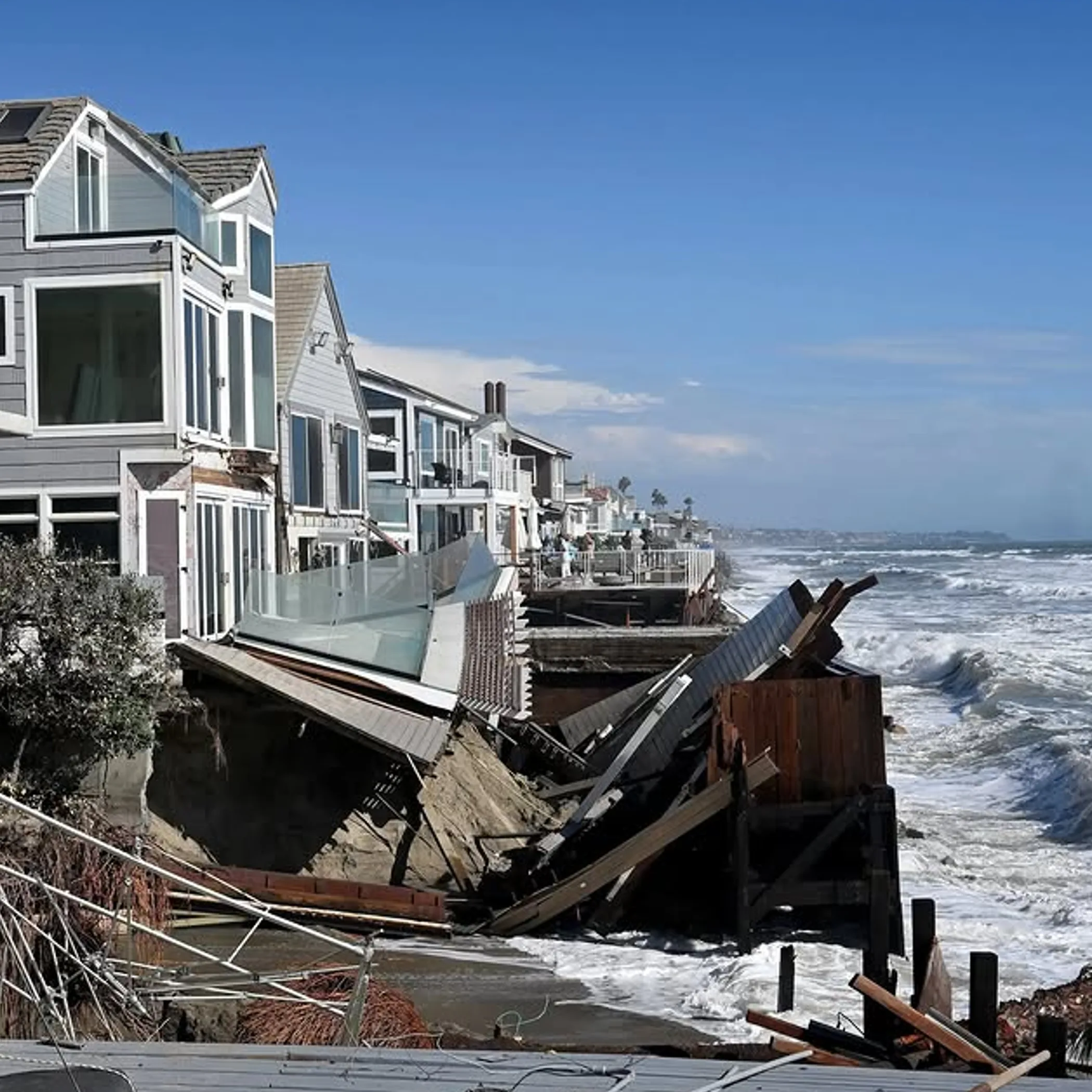
Calmly put some distance between yourself and the area if you spot a crack, a damaged barrier or rockfall. Resist the urge to stand below it for a photograph or to climb over it for a better vantage; a picture is not worth the risk of an ankle.
Put other visitors off it if you can and let your companions know. If there is an injury or someone is trapped then call the emergency services, giving them a map pin, a road marker or the name of the track or beach for your location. Otherwise put in a call to the ranger service or the council.
Retreat, Recheck And Report
- Get back to stable ground and remain clear of exclusion zones.
- From a safe distance note down the hazard and its location.
- Use the official channel indicated on the park information or a sign to put the local authorities in the picture.
- One does well to recheck for access notices on a return visit, a closure may be standing even after the weather has put in an appearance.
The assumption that a hazard is only a danger in a storm is a common error. In fact a cliff can be undercut or still saturated long after the sky has cleared and that is the point of the warning.
Coastal Change
From inspections and surveys to engineering assessments, weather data and the odd report from the public, this is how local authorities keep tabs on hazards across Australia. In some places you will find controlled access, path relocation, beach closures or the like in the form of barriers and signs. For a wider view of the climate, geology and sea level one can turn to national bodies; local agencies are the ones who make the site-specific calls. And for an idea of what to expect in the way of swell or wind before venturing out, the marine forecasts and warnings put out by the Bureau of Meteorology are useful.
Closures Are Not Set In Stone
There is no telling when a closure will be put in place after a ranger or visitor has made a report, or in the wake of a storm surge, heavy rain or some other inspection. Then again, an open path is no assurance that the coastline is sound for every metre of it. Heed the signs as you would any instruction and remain on the managed route.
I have my own order of things when I am putting together a coastal drive from Fremantle: access, weather, fuel and the route come first, lunch is a later concern. It is not as glamorous as to wing it but it spares one the traveller’s mistake of getting to where he is going and finding there is no safe passage to the sights.
Frequently Asked Questions
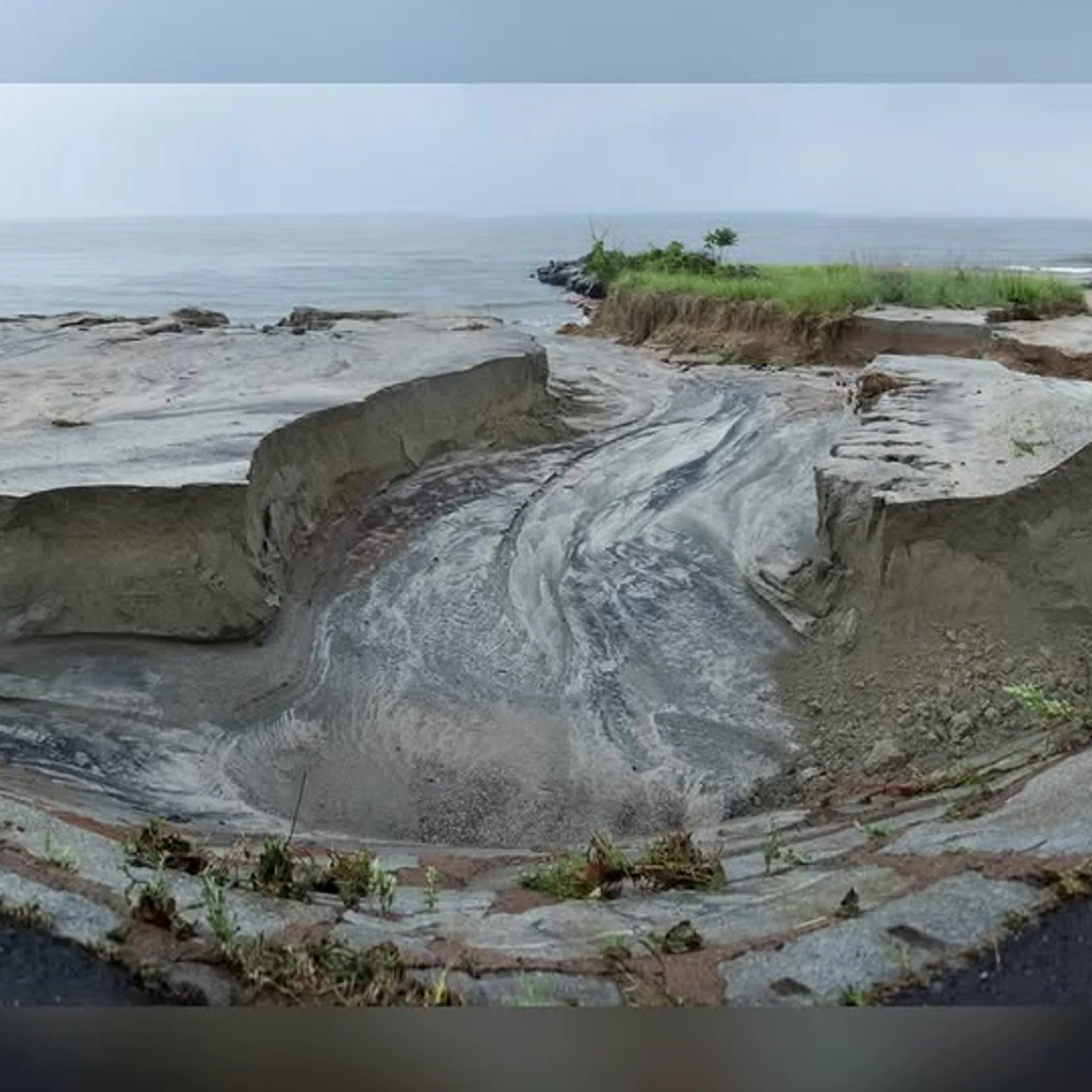
Are There Safe Beaches To Swim At In Australia?
You will not find a national list that vouches for a beach’s safety at all times. It is a matter of tides, rips, water quality, the state of the weather and any local warnings, not to mention patrols. The best course is to pick a patrolled beach and swim within the flags, and to consider cliff stability apart from the question of water safety.
Is The 90% Of Australians On The Coast Statistic Accurate?
It is an estimate you will hear often enough but how “coastal population” is defined will alter the outcome. As a universal statistic it is not precise without a method behind it. What is true is that many an Australian makes his home or holidays in close proximity to coastal hazards.
Where Does Coastal Erosion Have The Most Impact?
One must look at the type of shoreline, its history of storms, the geology and development. Wombarra, The Entrance North and some of the Mornington Peninsula have been in the news for erosion yet the risk from one street to the next can be quite different. For any given suburb consult the council or state hazard data.
What Would Be The Fastest Eroding Coastline?
Not an easy question to answer in Australia since rates are subject to wave direction, sea level, sediment and the like. A spot may give way in the course of a few storms and then be still under calmer conditions. Do not put stock in a national league table, see what the local assessment is.
Walking Under An Eroding Cliff?
If it is officially open and the way is marked as safe, yes. But do not go into an exclusion zone or under any overhangs and fresh rockfall. Make sure you have an escape route and if in doubt, turn back.
Plan Accordingly
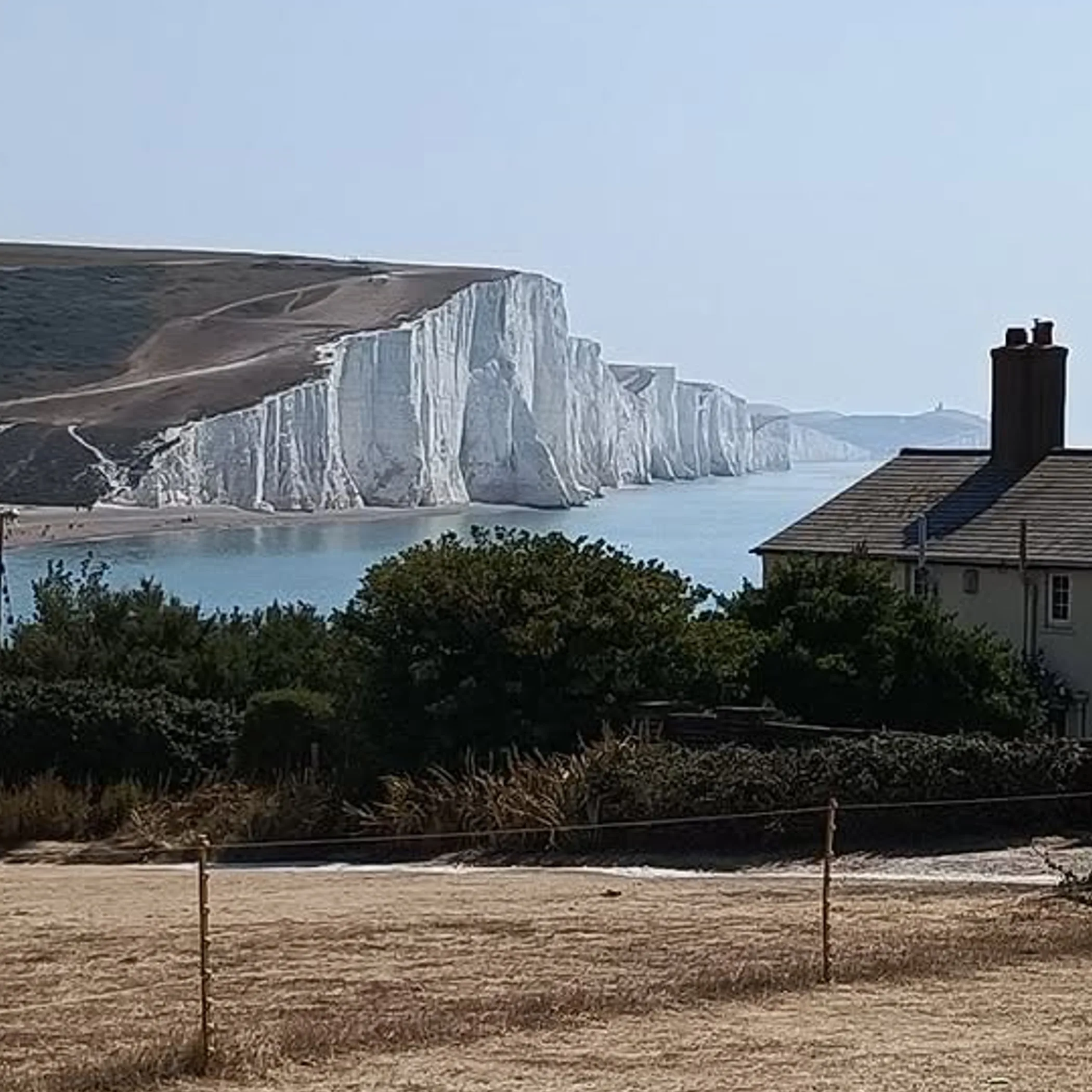
A bit of respect for official advice and for timing and distance will see most visitors handle the risks of cliff erosion on our beaches. The sensible sort does not need to get right up to the edge; he will read the sign, see to his return and be content with an unremarkable photo.
The coast is not static so neither should your plans be. When access is off limits let the authorities have the last say. It is a way of protecting property and habitat and the fellow who comes along with his billy and camera and more confidence than he ought to.
