The State of the Market
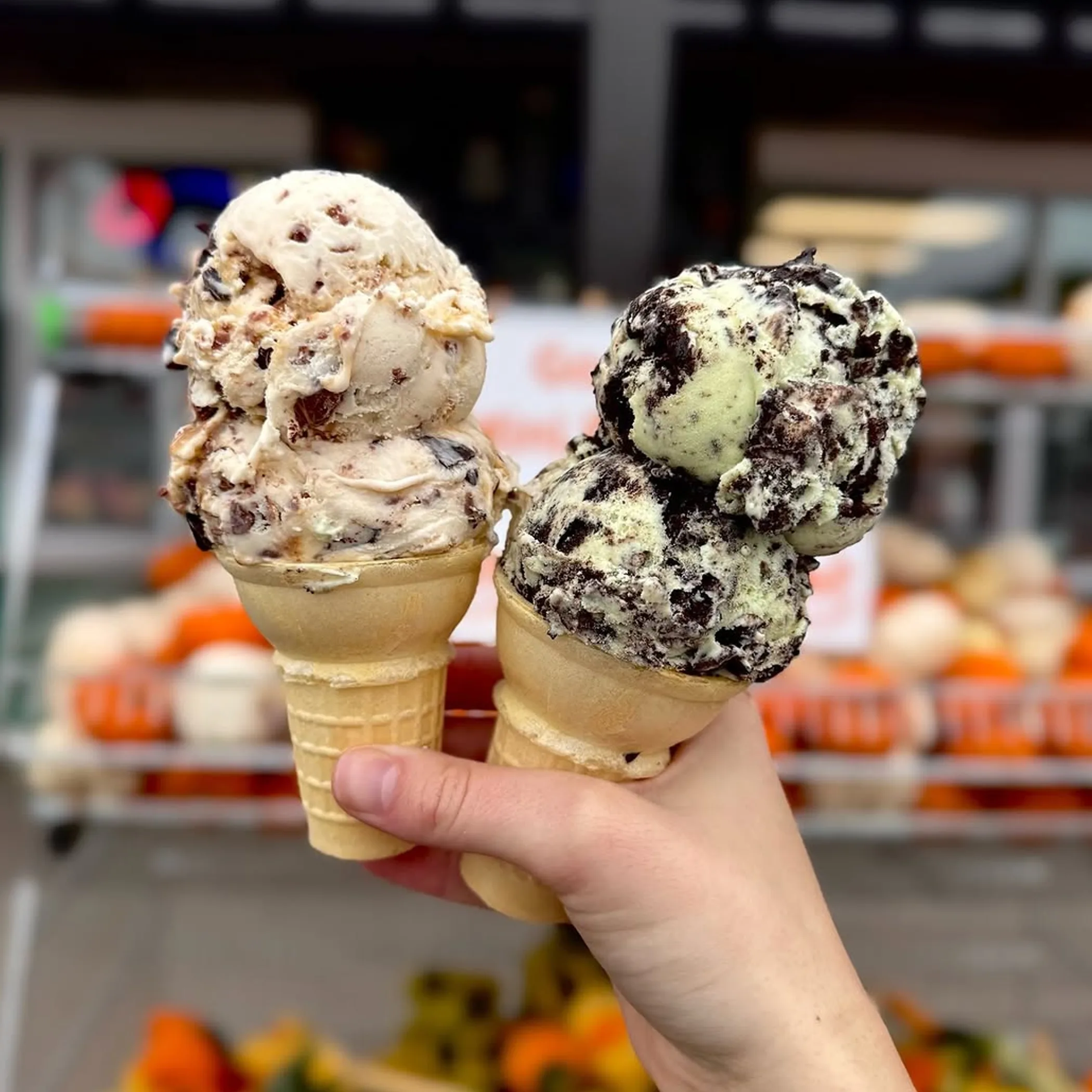
If one were to judge by the ice-cream aisle of yesteryear, the 2026 Australia Frozen Desserts Market would not seem so broad or occasion-oriented. In fact it is a more premium affair. Whether it is gelato, sorbet, mochi-style items, dairy-free tubs, soft serve or a restaurant dessert, they are all vying for the same discretionary spend, especially with household budgets under scrutiny.
From my desk in Fremantle, I am Thomas Murphy. Here an afternoon of good weather can make of a gelato stop something of a civic event. The story for 2026 is straightforward: the appetite for a frozen treat is there in Australia but the impulse to buy has to be earned. Be it through superior ingredients, a local touch, a price that will not test the family finances or the notion of an outing as opposed to just another thing out of the freezer, there must be cause. This is shaping the gelato scene Australia 2026.
You will not find an official government series that gives you a tidy report card on the whole of the Australian market, be it in retail, delivery, hospitality or independent shops; definitions in market estimates differ too much. So this piece is about what can be seen in terms of commercial trends and how consumers behave, not some contrived market value.
Premium Treats and Prudent Expenditure
There is still a place for the premium, though it is being chosen with more care. One might put down more for a small tub of something with ingredients one can put a name to and opt for a less expensive pack for the weekend. In a restaurant the customer may have a fine scoop rather than a larger dessert of no real interest.
This leaves a good deal of room between luxury and discounting. An operator can present a signature flavour and an entry level option with a cone or sauce to top it off. There is no call for a menu that reads like a wine auction, only for the customer to see why the additional cost is justified.
Trends in Demand
Where personal preference, indulgence and convenience intersect is where the best opportunities lie in 2026. Demographics are not so easily boxed in; a given individual could be after a high-protein fix post gym and a salted caramel for the evening meal.
Sellers would do well to let the choice speak for itself instead of making the freezer look like a spreadsheet. A concise menu with straight talk and stock to match is worth more than any number of well-chosen adjectives.
In defence of smaller portions
For the household concerned with waste and portion control as well as the bottom line, a single serve or a modest tub is sensible. It is equally suited to the cinema or a delivery order from a food hall where a large pack is not on the cards.
It is a question of value as much as health. Even if a $16 tub for the family is cheaper per serving, a $6-$9 single serve is easier to get one’s head around. These are practical retail numbers, not national averages, and will differ according to the venue and what goes into the product.
The normalisation of plant-based
What was once a specialist offering is now part and parcel of the menu. A customer may be vegan or shun dairy or just prefer the lighter texture and taste of a coconut or oat recipe.
The mistake is to think “plant-based” says enough. People want to be told if there are nuts, gluten, soy or added sugar in the mix. Labelling should be unambiguous in a café or family venue where staff are fielding questions in the thick of service.
A case for local flavours
An imported provenance is not needed to put a point of difference on a dessert; lemon myrtle, Davidson plum, wattleseed, finger lime or roasted stone fruit will do the trick when properly put forward.
But there is a danger in regarding a native ingredient as a novelty. If the product is to make use of Indigenous stories or produce then cultural knowledge has to be respected and the naming right. “Local” is no excuse for sloppiness.
Texture to keep them coming back
Flavour is no longer the only consideration. The first bite of a dense gelato or a smooth frozen yoghurt or a grainy dairy-free alternative is noted. A clean, refreshing sorbet will be appreciated. That is what brings a customer back for the second time. One has to factor in cold-chain handling as part of the experience. It is possible for a product of technical merit to be let down by poor temperature control on display, or being stored too cold and given to softening time and again. The mistake most make is to put a texture issue at the door of the recipe when it is really the work of storage, service or transport routines.
Better Packaging for Delivery
The online order brings frozen desserts to those who do not walk past a shopfront, but it is also a test of packaging. A good product is undone in short order by one with melted edges or toppings that have been damaged; the last thing a customer wants is a dessert that looks like it has been through a weather event.
Packaging must be of a practical nature to insulate from the temperature, restrict any movement and see to it that sauces and toppings are kept apart. Then there is the matter of the delivery operator having sensible service areas. There is more to be said for a reliable, short radius and keeping customers happy than making promises of the entire metropolitan area and having to send an apology across town to a half-frozen state.
How Australians Go About Their Treats

These days frozen desserts are available through a number of channels with varying demands. You will find supermarkets on price and convenience, while the independent puts forward freshness and hospitality. For their part restaurants rely on presentation and the pleasure of a cold finish to the meal.
So the gelato scene in Australia 2026 is not confined to the traditional gelateria. One can find it at a market stall, a petrol station, in a kiosk in the shopping centre, at a café or a regional tourist spot. A well made product will do well in any of them provided the portion and format are right for the occasion.
| Channel | Customer Need | Useful Format | Common Risk |
|---|---|---|---|
| Supermarkets | Convenience and price | Family tubs, multipacks, dairy-free | Price comparison is fierce, shelf visibility low |
| Independent shops | Discovery and experience | Scoop or takeaway tubs, rotating flavours | Stock and opening hours can be hit and miss |
| Cafés | A quick add-on | Affogatos, small cups | Service lags in peak times |
| Restaurants | Something to remember | Plated sorbet, paired flavours | Wastage, overdone menus |
| Delivery | Home convenience | Bundled desserts in an insulated pack | Long times, melting |
Market report percentages warrant a close reading. An account of packaged retail will leave out the independent gelato shop, a hospitality one may not include what the supermarket moves. One should look at the category and geographic definition, the period covered and if value or volume is being used before drawing comparisons from the statistics.
Profit Pressures and Pricing
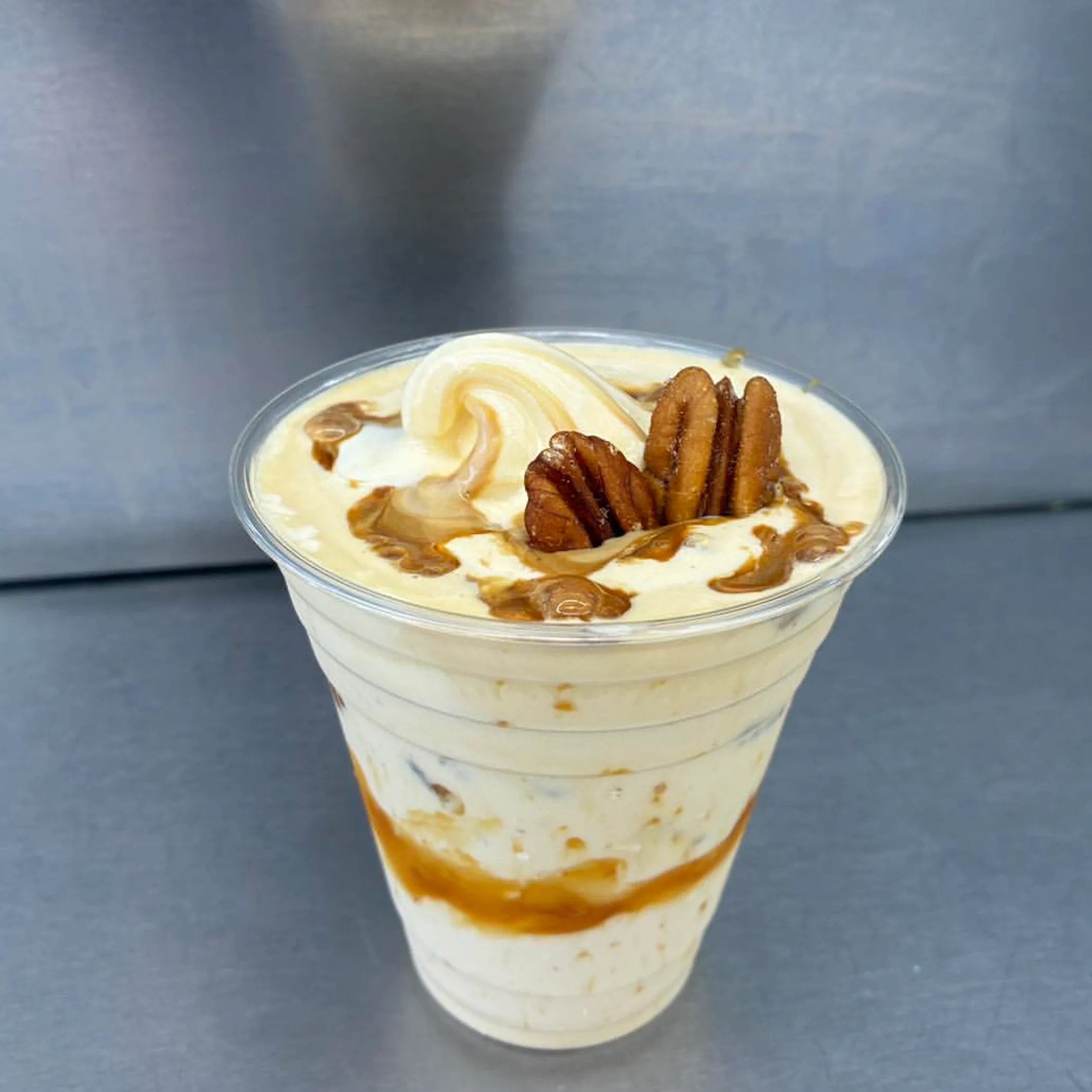
To the customer a frozen dessert is straightforward. Put yourself behind the counter and the figures are not so rosy. Between the dairy, sugar, fruit, nuts, the rent and wages, the electricity and transport costs, the final price is dictated by a lot. Add in seasonal fruit and there are sudden changes in cost.
For a sense of how people are spending, the data put out by the Australian Bureau of Statistics is instructive. The ABS portal is where to go for national indicators, as opposed to some old blog or a bloke with a calculator putting on airs.
Making Value Apparent
An offer that is easy to see is one for which the customer will pay more. Be it a bigger scoop, a sauce made in house, the location or an experience of a higher order. “Premium” is no explanation, only a word in a linen shirt.
Gross margin should be watched by format as much as flavour. If a favourite is costly to put together or serves up wastage it will not be profitable. A review of the week’s sales, labour and feedback tells you more than a grand strategy document put together once a year.
Seasonality
There is no mistaking the summer peak yet cooler months still have their demand. School holidays, a birthday or some indoor entertainment will see frozen products sold. Winter is an opportunity for the operator to put forward an affogato or a hot drink with a bit of the frozen side to it.
Then the weather has its way with things. A heatwave will put the freezers and staff under pressure even as demand rises. Rain means fewer casuals but more coming in online. Up north the wet season and cyclones can disrupt supply and events. Any operator worth his salt will have the forecast in mind and know that the weather sometimes dictates the course of business.
Regional Demand Has Its Own Rhythm
In the regions the rhythm is different. Inland venues are down to local events and passing trade, the coast is all about the school holidays and warm weekends, and a tourist town will have its quiet weeks after the holiday rush. The product range will vary accordingly.
A business would do well to put down on paper the times its customers turn up, as opposed to what the owner might like to think, prior to any expansion. Make a note of sales on weekdays and weekends, of the weather, school holidays, events or construction in the vicinity. Such data is fundamental to putting together a staff roster or deciding on batch size; it will tell you if a new flavour is an opportunity worth having or just something to add to the freezer at a cost.
Practical Advice For Operators
In this category one is rewarded for being consistent. A customer will overlook an experimental flavour that has run out, but not a table in need of cleaning, a menu that is hard to follow or a shop that is late to open with no notice.
My own time in hospitality has been instructive in that regard: the finer points of operation are what make people come back. In the midst of a busy service at a restaurant the dessert with the most demand was seldom the most showy. It was the one the staff could put in front of you in short order and talk about without any fuss.
A Simple Planning Checklist
- Have a premium option, one price point that is within reach and a dairy-free alternative.
- Put allergens and serving sizes on display in terms anyone can understand.
- Do not skimp on testing your takeaway packaging for the journey it is to make.
- Make a weekly record of any waste or stockouts and which flavours are not moving.
- Get the freezer serviced before the peak of the trading season.
- See that your staff are trained to be forthright on the matter of texture, ingredients and portioning.
One should also go to the state or territory authority to be sure of one’s food-safety obligations. The rules for a mobile service or a manufacturer are not the same as for retail or hospitality. No market trend is any replacement for a sound plan.
What Customers Get Wrong
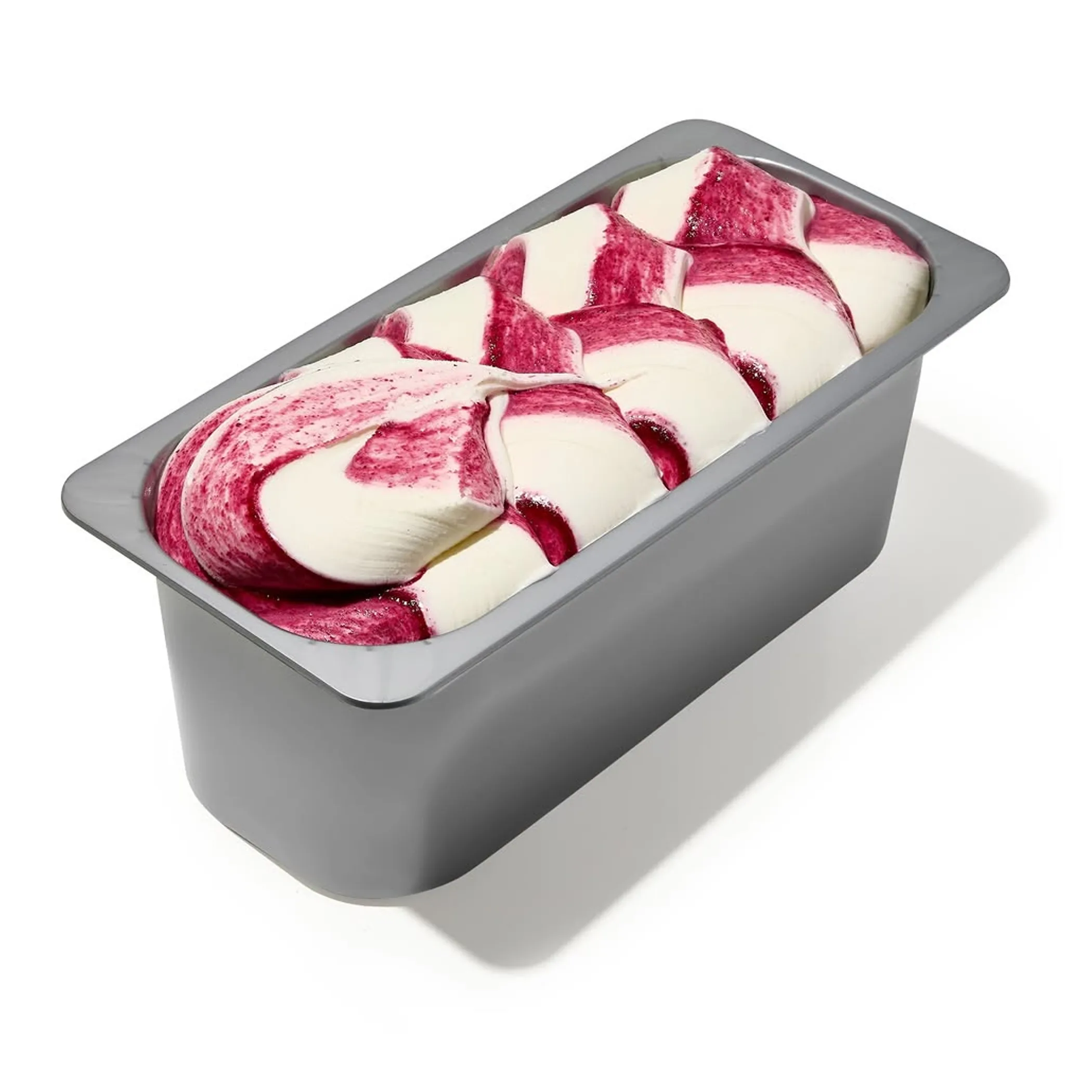
There is an assumption among some shoppers that a higher price makes a product better, but they are not always right. Taste does not necessarily improve to justify the rent, labour, branding or packaging that is factored in.
Dairy-free is taken by many to be synonymous with healthy, another misconception. Depending on how it is made and in what quantity, there can be plenty of sugar and fat in such items. The question is whether the product is suited to the customer, not how it sounds.
Then there is temperature. On a hot day a firm looking item from the cabinet will not stay that way on the walk home. An insulated bag and sensible packing are all the more necessary in summer.
Who These Trends Are For
The likes of independent makers, cafés and regional tourism operators are well placed in these conditions, as are supermarkets and restaurants that have a clear idea of their offer. Any business that knows its local clientele and can alter a format or flavour without throwing away stock will find them to its advantage.
Not so for an operator intent on a wide range who lacks the freezer space, stock control or training to back it up. You can be lenient with a frozen dessert when eating it but not in its management; a cold-chain error of a piece will ruin the texture and the trust.
It is to the consumer’s benefit when a business presents choice without turning a purchase into a moral issue. A family can put a tub in the trolley, a vegan can be shown an option that is plainly labelled and a visitor can sample something local without being sold a story on where it comes from.
Five Common Questions Answered

Is There Growth In The Australian Market?
Commercially speaking the demand is there, though the rate of growth is a matter of how you define it. One tends to measure gelato shops, delivery, packaged retail and the rest apart. Broad claims of growth should be regarded as estimates unless the source puts forward its methodology.
2026 Flavours Of Note
You can rely on chocolate, vanilla, salted caramel and strawberry. But there is interest too in coffee and pistachio, macadamia and Australian ingredients done properly, as well as sorbets with a fruit profile. With location, season and age group to consider, a rotating range is wiser than to put all of the freezer on one thing.
Do Dairy-Free Desserts Have To Be Healthier?
No. That simply means no dairy is in the ingredients, nothing to do with the total energy or fat. If there are allergies or other restrictions, look at the nutrition information.
The Higher Cost Of Gelato
Apart from the recipe and method which differ from ice cream, one is paying for small-batch production, wastage, electricity, rent and so on. Whether the experience and flavour warrant the outlay is the only test that matters.
And The Biggest Risk?
Execution that is not up to scratch. Unreliable hours, poor temperature control or over-ambitious delivery areas will put an end to repeat custom in less time than a slow week. Stick to a dependable range.
The Practical Takeaway
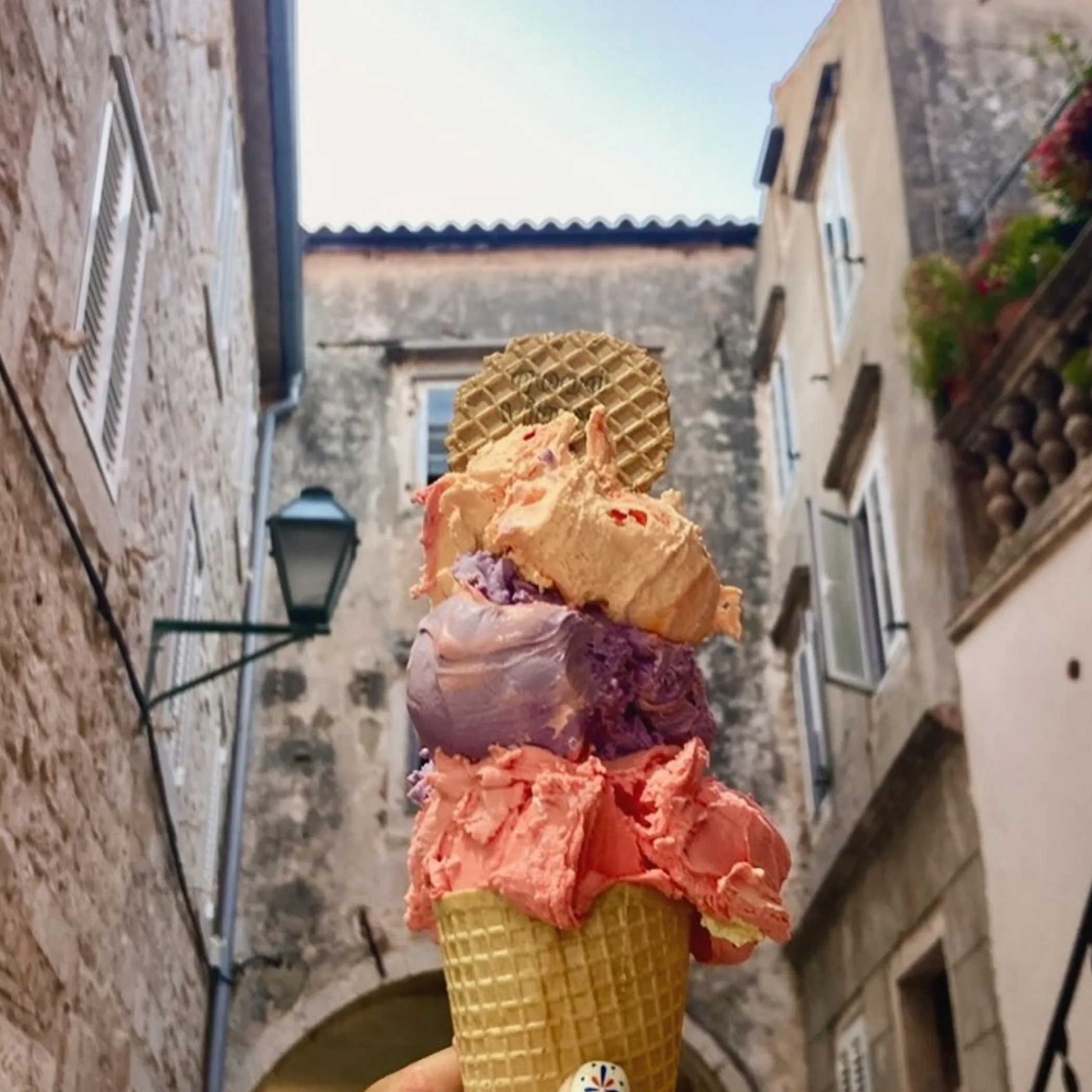
In 2026 the market for frozen desserts in Australia is all about convenience, plant-based options, a good story and perhaps a smaller portion. The customer wants to have fun but is more discerning of the price and if the menu is backed up.
For a business the way to go is to have a few solid products and let them be known, to respect the local rhythm of trade and the cold chain. As for the customer, the guidance is plain: read the label and put the scoop to good use. Leaving it on the dashboard to run into the chemist is a sure way to finish off a fine gelato.
