For the most part, autumn is when one should be in the Australian wine regions. Between March and May you will find a convergence of vintage work, pleasant weather for touring, regional produce and harvest lunches. Spring (September to November) is a close second with its mildness, new vineyard growth and the odd wine and food festival. If quiet tastings and a chat by the fire are more to your liking, winter is the season. Summer has its appeal in the form of long lunches and verdant vines, but then there are the heat, the crowds at their peak and the need to plan for bushfire risk.
In this guide I set out how the seasons in places like the Barossa, Margaret River, Hunter and Yarra Valleys, as well as McLaren Vale, Clare Valley, Coonawarra, Orange NSW and Tasmania, will colour your experience. Thomas Murphy here, an Irish-Australian from Fremantle who writes about road trips; I have found that the success of a wine trip is determined by what is in the glass as much as by your return plans, footwear and the miles to be driven. For practical guidance, see responsible wine tasting safety.
Choosing a Touring Season
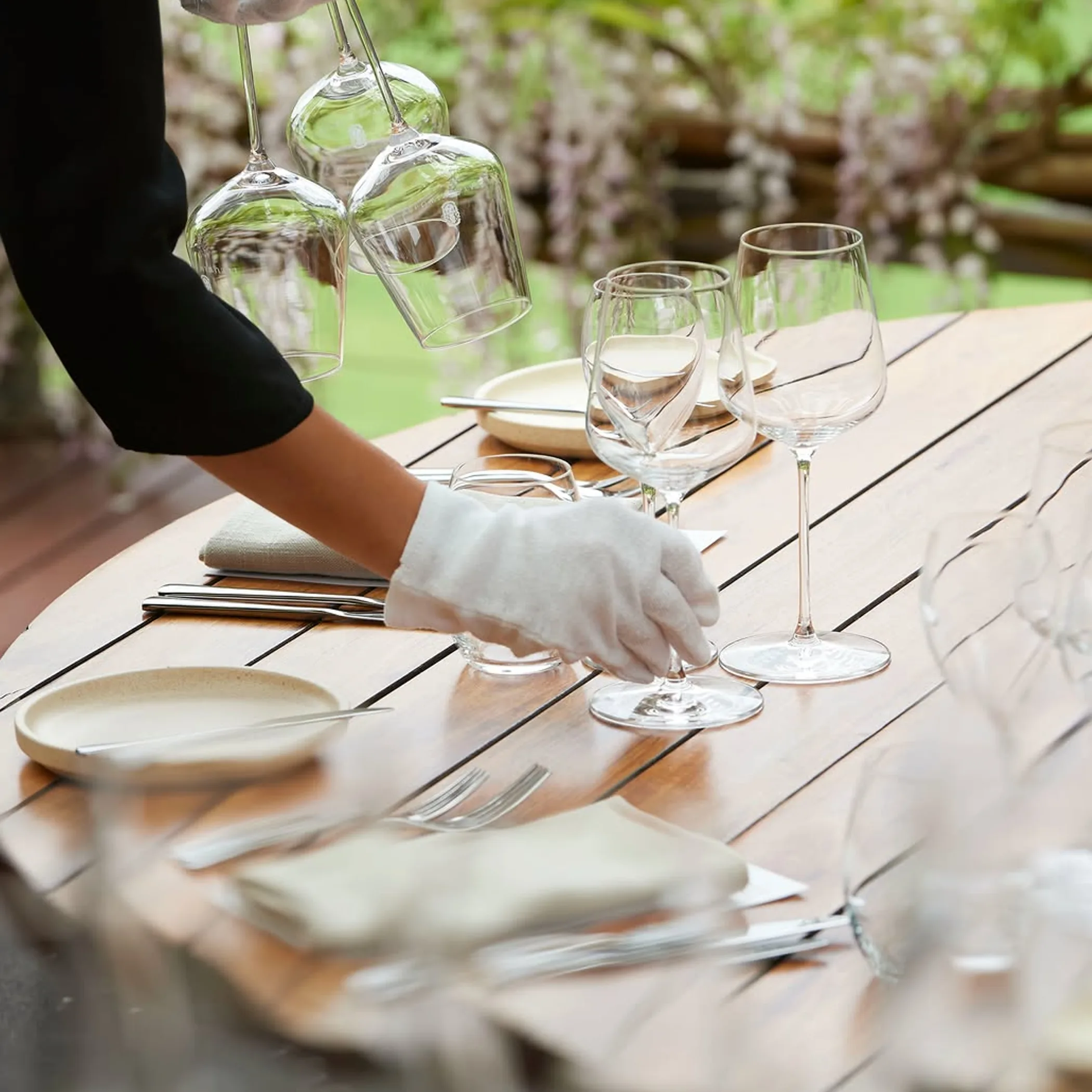
You will not find a calendar window that is perfect for all. It is a matter of what you are after: the bustle of the harvest or a leafy vineyard, a sunny lunch outdoors or a cooler weekend centred on food and some seclusion at the cellar door.
Then again, Australia is too big to be governed by any one seasonal rule. A winter’s day in Margaret River might be wet and windy, come the afternoon in South Australia it could be crisp and dry enough for a walk between cellar doors. Do check the Bureau of Meteorology for the latest on the region before you make your way home.
| Season | Months | Best For | What To Watch |
|---|---|---|---|
| Autumn | March to May | Vintage and grape harvest, food and harvest lunches | Cool evenings, busy weekends and shifting harvest dates |
| Winter | June to August | Regional produce, fireplaces and undisturbed tastings | Limited midweek hours, less daylight and rain |
| Spring | September to November | Mild conditions, budburst and foliage | Pollen, event crowds and the odd unsettled spell |
| Summer | December to February | Bright scenery, long afternoons and dining al fresco | Bookings, fire danger, hot weather and peak numbers |
Wine and Weather
I would put forward autumn as the surest option for those visiting for the first time. There is picking and sorting to be seen if you are lucky, though do not presume you can putter around a working winery with your camera and a half-glass in hand during vintage without asking.
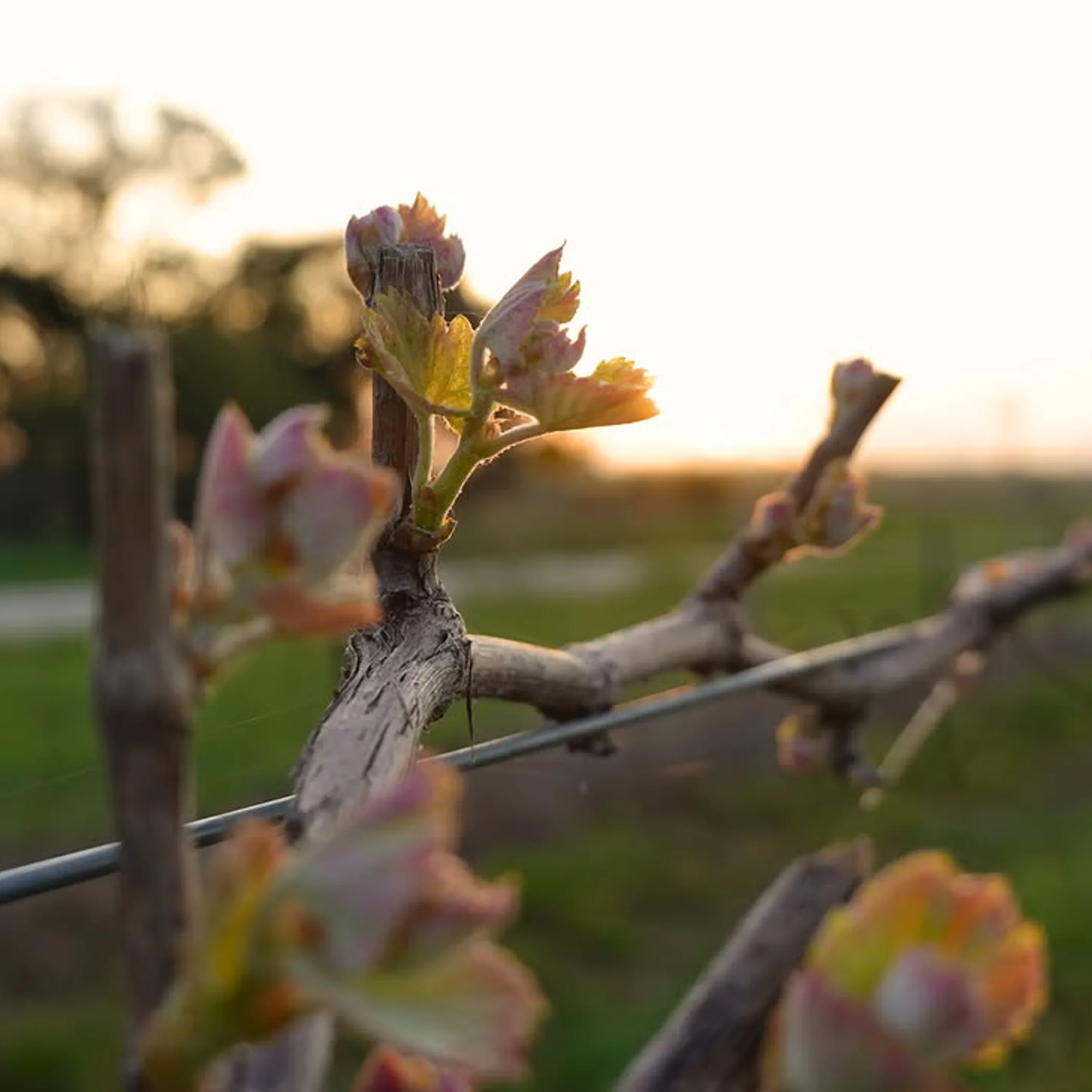
Spring is visually more subdued. After the winter the vineyards start to show some life with the budburst. But the weather has a mind of its own, so a light waterproof is wiser than a thin linen shirt and optimism.
The Vintage in Autumn
Travellers wanting to see the journey from vine to bottle will find autumn the pre-eminent season. While the harvest is dictated by the weather, elevation and the grape, March to May is generally when you will see the activity.
It is not always pretty; harvest is business and can be a bit of a racket. You will have tractors and trailers on the roads by the cellar doors, the winery staff are in for long shifts and the trucks are there early. All part of it, but be aware that a menu or tour may be altered on short order.
Harvest Days and Planning
March or April are typically the months for the Barossa Valley if vintage atmosphere is what you want, even if the timing is different from year to year. It can be warm in the daytime and cool once the sun goes down, so you might need a jacket for the morning and have a summery lunch.
The same holds for McLaren Vale and Clare Valley in autumn, where the cooler weather makes a long lunch something you can enjoy and the cellar doors will have the local produce to go with the wine. In Coonawarra it is a good time for a red wine and history focused itinerary at a more leisurely pace.
On my first few road trips I made the error of trying to cover too many regions in a day. Factor in the country roads, the coffee break, parking, a photo op and the toilet as well as the 45 minutes for a tasting. Give yourself a full day for a smallish region, two for a bigger one.
Do not be under the impression that every vineyard will be in the midst of picking when you get there. Vintage is a time of production, not an attraction that is on display at all times. If it is important to you, put in a call or an email to the cellar doors ahead of time. Find out if the site is open and if there is food on offer, and inquire as to whether you need to put a tasting appointment in the diary. As for attire, closed shoes are advisable. Heed what the staff say and stay away from any machinery; no photograph is worth being a hazard in the workplace.
Fresh Vineyard Growth In Spring
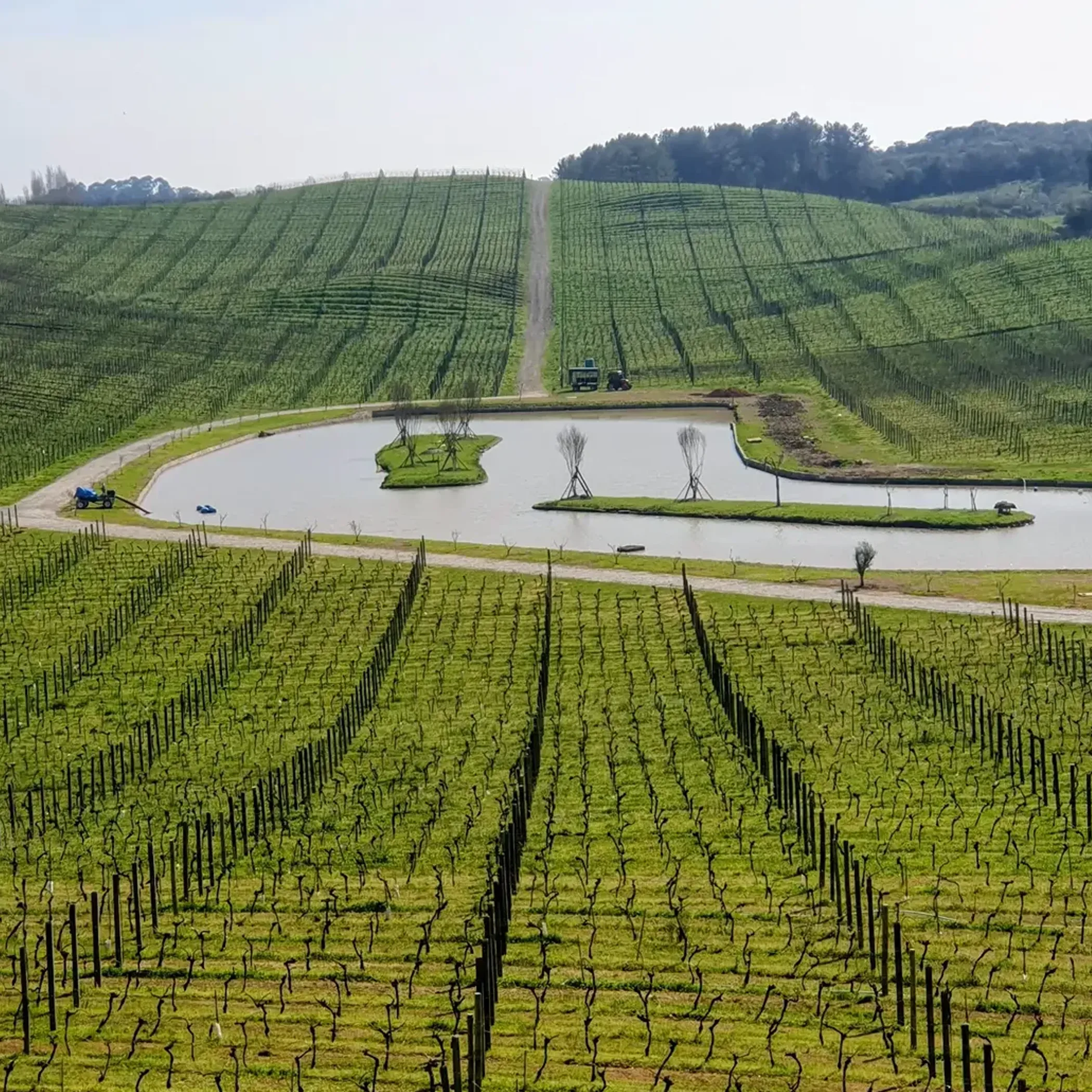
For a milder climate and some greenery without the bustle of an autumn weekend, Australia’s spring wine tours have much to recommend them. Between September and November the vines will be coming out of their winter torpor to flower and budburst, though one should not be too precise about the timing given regional conditions.
Those with an inclination for a guided cycle or walk, or for pairing wine with the likes of gardens and local produce, will find spring to their liking. Unpredictability is the drawback: mid-afternoon can turn cold and wet after a fine morning and heavy rain makes for unappealing roads.
Budburst And Events
The Yarra Valley is well worth considering in spring, where one can partake of cool-climate dining and short walks as easily as the food and wine. Orange NSW is another good option for the spring visitor in search of elevation and a tight itinerary with crisp mornings.
Then there is Margaret River, which can be very rewarding for those who wish to make time for the coast in between cellar doors. Do not make the mistake of thinking of it as a suburb and allow for extra driving; what appears to be a short distance on paper can be a slow proposition on winding and wet roads with wildlife about.
Festivals of a culinary nature are also in the offing in spring, Tasting Australia in South Australia and FOOD Week in New South Wales among them. Check that the programme has not been altered before you book accommodation on the back of an event.
A Winter For The Slow Traveller
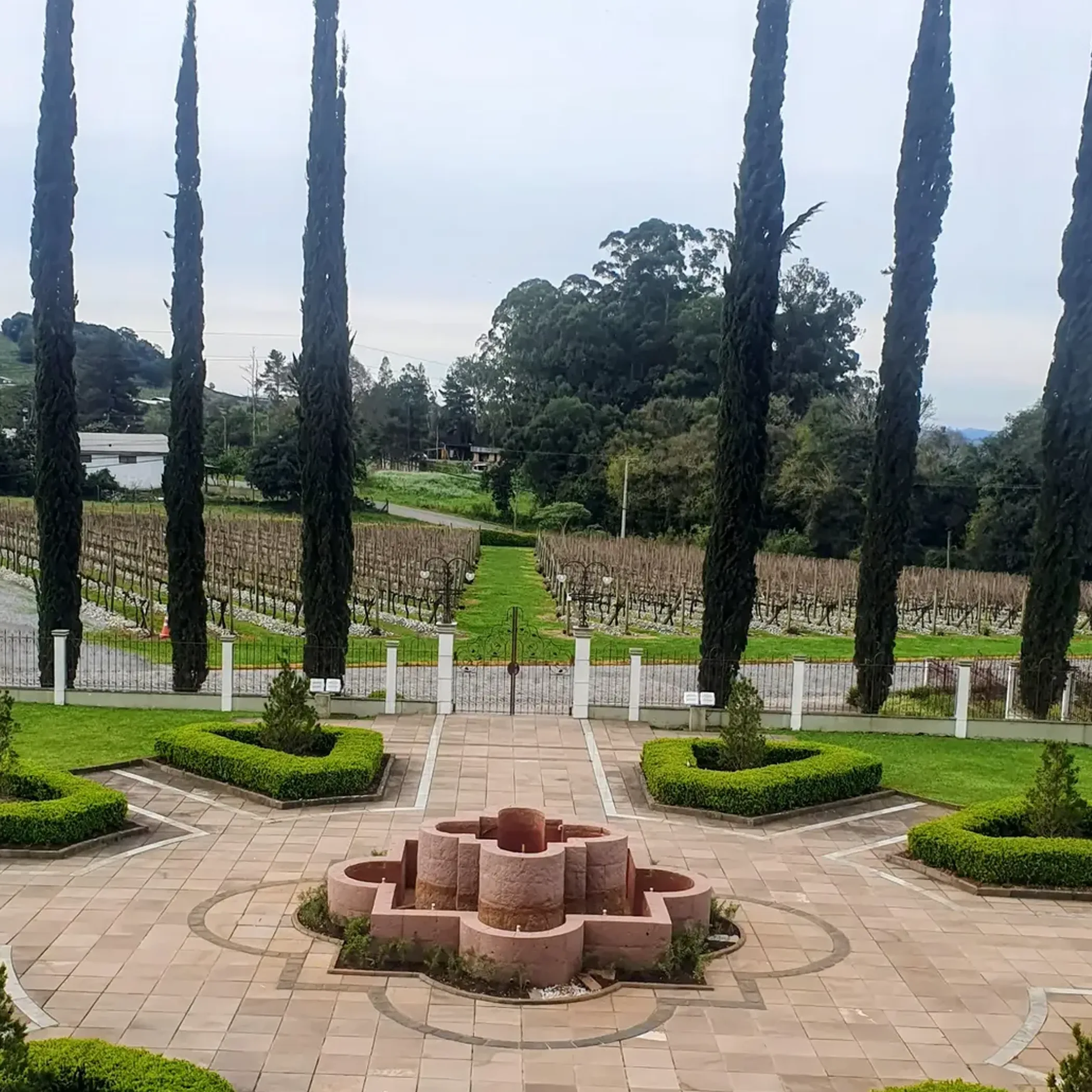
Visitors in the mood for some quiet time with a winemaker and regional cooking will do well with a winter tour of Australia. Much of the country has an intimacy to it from June through August, provided it is not a school holiday or a big event weekend.
It is not all gloom either. One can put in a good day of cellar-door hopping in South Australia on a clear day, and Tasmania has a way of combining wine, cheese and seafood with a restaurant warmed by a fire. In Margaret River the rain tends to be more of a feature so leave your outdoor plans open.
Making Use Of The Quiet Season
There is no better time for a considered tasting than in winter when the staff are at liberty to talk you through vintage differences and pairings. Mind you, not every cellar door is in session each day, so check hours, Mondays and Tuesdays in particular.
An escape to Coonawarra, the Clare or Yarra Valleys is perfectly suited to winter. Pick a place to stay near where you intend to do most of your tastings to avoid long drives home on dark country roads once the pours have started; a night on a wet road is no pleasure after a fireplace tasting.
Pack sensibly. A jacket for the wind, warm layers and waterproofs. You do not want to be building character with mud from the vineyards on your car mats and trousers and the floor of the restaurant.
The Outdoor Appeal Of Summer
When the temperature is right, summer (December to February) affords fine outdoor dining, plenty of daylight and lush foliage in the vineyards. It is a favourite for holidays and you will find the restaurants and cellar doors as full as sardines on a weekend.
Some caution is called for. With the heat a tasting schedule can become trying, and fire danger may close off a park or road. Northern Australia has its wet season and cyclones from November to April but the wine regions we deal with here are for the most part in the south.
Getting Ahead Of Crowds
Make a meal of it and have a couple of cellar doors rather than six in a hurry and then the inevitable dispute over who is up to the task of driving. An early start and a booked lunch will see you through.
Summer is for the seasoned traveller who is at ease with putting things in hand and does not expect to find empty venues or cool air on a whim. Put on some sun protection, take water and do not put people, food or wine in a hot car.
Decide On A Region
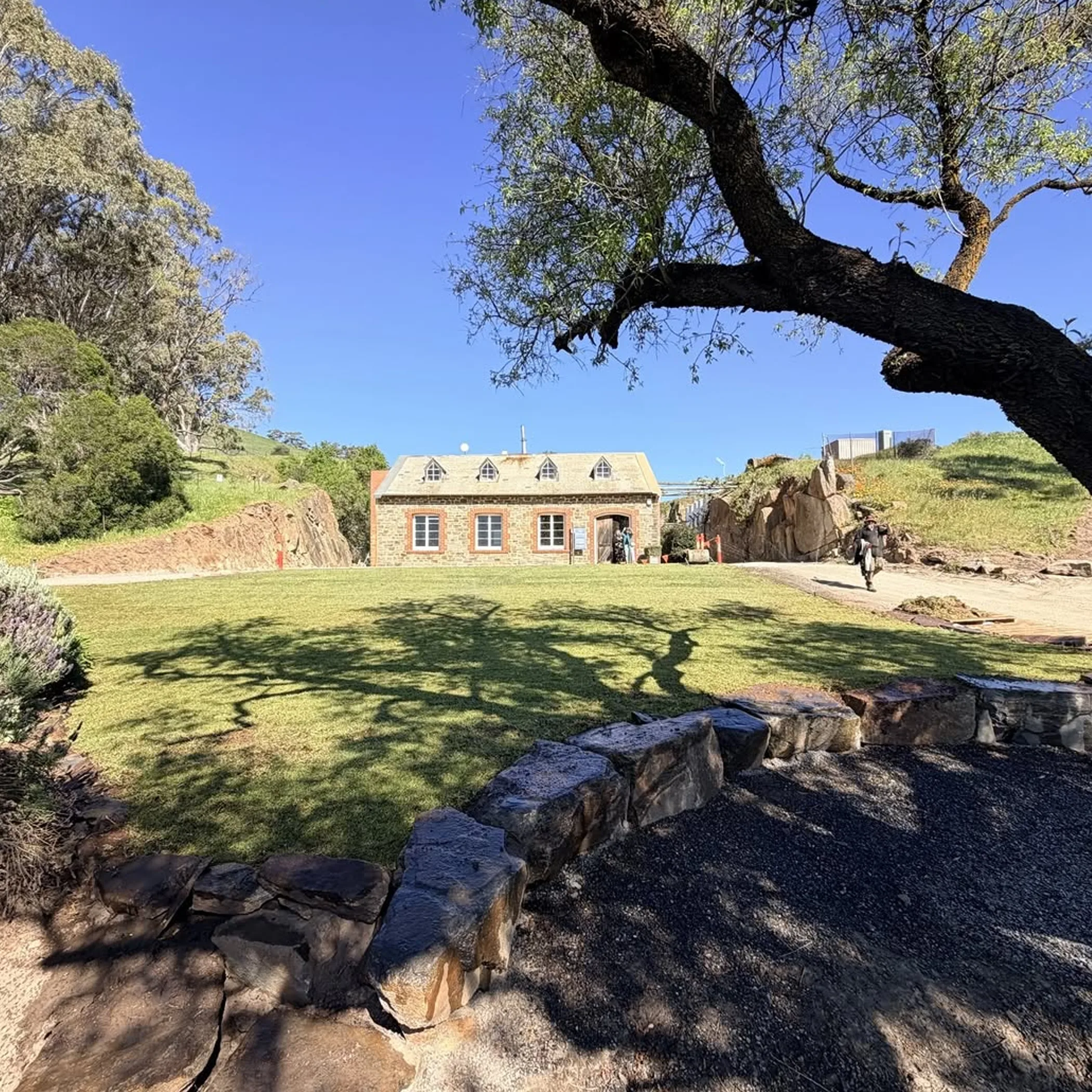
One might let the region dictate the season. Victoria for its scenery and food, Western Australia for a longer sojourn, a cooler, compact tour in Tasmania or the depth of wine country in South Australia.
What follows in the table is a guide to help put together a route, not a guarantee of like conditions year in and year out. Hours, vintages and events are subject to change so put in a call to the operator to be sure.
The following is a guide to some of the better regions for 2026, with notes on what one can expect in terms of logistics and experience.
| Region | Strongest Season | Experience | Logistics Note |
|---|---|---|---|
| Barossa Valley | Autumn and winter | Vintage shiraz, cellar doors and good food | Put down roots in the main part of the valley and have meals pre-booked |
| McLaren Vale | Autumn and spring | Wine, coastal excursions and regional produce | Allow time for winding roads and lunch stops |
| Clare Valley | Autumn and winter | Quiet tastings, riesling and country roads | Accommodation may be limited during events |
| Margaret River | Spring and autumn | Wine, food and southwest coastal touring | Distances are longer than they appear on a map |
| Hunter Valley | Autumn and spring | Cellar doors, restaurants and weekend escapes | Traffic and crowds increase before Sydney long weekends |
| Yarra Valley | Spring and autumn | Cool-climate wine, food and short drives | Return traffic to Melbourne can be slow |
| Coonawarra | Autumn and winter | Red wine, regional history and relaxed tastings | Plan fuel and accommodation before travelling |
| Orange NSW | Spring and autumn | Elevation, cool-climate wine and produce | Weather can change quickly at altitude |
| Tasmania | Summer and autumn | Cool-climate wine, seafood and local produce | Allow extra time for ferry or flight connections |
Putting together a 2026 itinerary

A sensible Australian wine tour is built around a base of operations, not some heroic attempt to hit every cellar door. Pick a region, put in for two or three tastings, reserve a table and do not over-schedule; leave some leeway for the weather and a decent conversation on the way back.
Then there is the matter of transport. A designated driver is only an option for a small party if he is content to sample lightly or forgo it entirely. You can put in for private transfers, a taxi or rideshare, though in the rural districts their availability is not to be relied upon. Get the return journey confirmed prior to the first pour.
Planning checklist
- Select a wine region and look at the road distances with a clear eye.
- Put in bookings for accommodation, lunch and the cellar doors, come the autumn weekends.
- See what the opening hours and fees are and enquire as to accessibility and what they serve.
- Have a plan for a driver or transfer in place.
- Look at the forecast and any fire warnings or event news.
- In your pack should be water, something for the sun, a jacket and shoes that can handle uneven ground.
When budgeting, set aside for transport, tasting and so on. There is value in a guided day if it means no parking or navigation worries and none of the risk, even if it is pricier than doing it yourself. But operators and regions differ, so an online figure is more of a planning tool than a hard and fast 2026 price.
One day out
- Make of it what you will, but a compact region with a couple of tastings and a lunch to your name is the way to spend it.
- Want to be where the harvest is? Autumn is the time, and put in a call to the wineries.
- For a quiet word or two, a weekday in winter is preferable.
- Scenery and dining al fresco calls for spring or the start of summer.
Those with mobility issues, a dislike of driving or an inclination to drink at every turn would be well advised to forgo an over-ambitious self-drive. With teenagers in tow, a region offering farm visits or a short walk between tastings might be to the fore. Wine tourism is at its best when the group is suited to the day rather than making a show of it for some imagined travel editor.
Safety in tasting
It is a matter of responsibility to be safe before the first glass is poured. Have something to eat, hydrate and do not be shy of the spit bucket. Keep count of your consumption; the pours are small but they mount up.
And do not think a coffee or a nap puts one in any position to drive. Put in place a transfer or a guided tour and have a designated driver on hand; make the itinerary brief so as not to entice anyone to put themselves at risk. In the working vineyards one will find farm machinery, so be mindful of that, as well as any hot weather, treacherous ground or uneven footing.
There is a difference between what is expected of a wine tour and what it is in fact: not just a day of drinking but an activity involving food and transport in the country. A sensible plan has time for a meal, some water and an unhurried way home.
Frequently Asked Wine Questions
One finds practical answers are called for here since wine tourism counsel is all too often distilled down to a “best” month. Regions differ and a sound plan should allow for it.
Is 2026 Going To Be A Good Year For Wine?
A responsible party will not put a guarantee on the quality of a national vintage ahead of time. With the range of grape varieties and climates in Australia you might find conditions are favourable in one area and in another there is smoke, frost, rain or heat. Do not take a national forecast as gospel; if the vintage is of concern, look to the winery and industry for regional updates prior to your trip.
What Is The Best Wine Tour In Australia?
That depends on the traveller. Some may be after the ease of transport on a guided tour in the Yarra or Hunter Valley, others would prefer to call the shots with a private itinerary in Tasmania, Barossa Valley or Margaret River for the sake of longer meals. Factor in your budget, group size, how far you want to drive and mobility when making a choice.
What Is The 75-85-95 Rule For Wine?
Do not rely on it without first asking for context; it is not an Australian standard in service or tasting for wine tourism, but rather something you might come across from an online source or at a venue. Stick to the basics: have some food, water and do not get behind the wheel once you have been drinking.
What Is The Best Month To Visit Barossa Valley?
For the harvest and a bit of atmosphere March or April is hard to beat, though seasonal conditions dictate the timing. Winter means more leisurely dining and a slower pace to the tastings, May is cooler and less busy. If you are going in autumn, book your weekends in advance and put in a word with the wineries about harvest access.
Can Beginners Enjoy A Wine Region?
Of course. Pick two or three cellar doors and let the staff put unfamiliar terms in perspective, but do not put together a route where one is driving constantly. An encyclopaedic knowledge of grapes or fine clothes are not a prerequisite, nor is a palate to match. Curiosity will do, and knowing where the dunny is does not hurt.
Make The Season Work For You
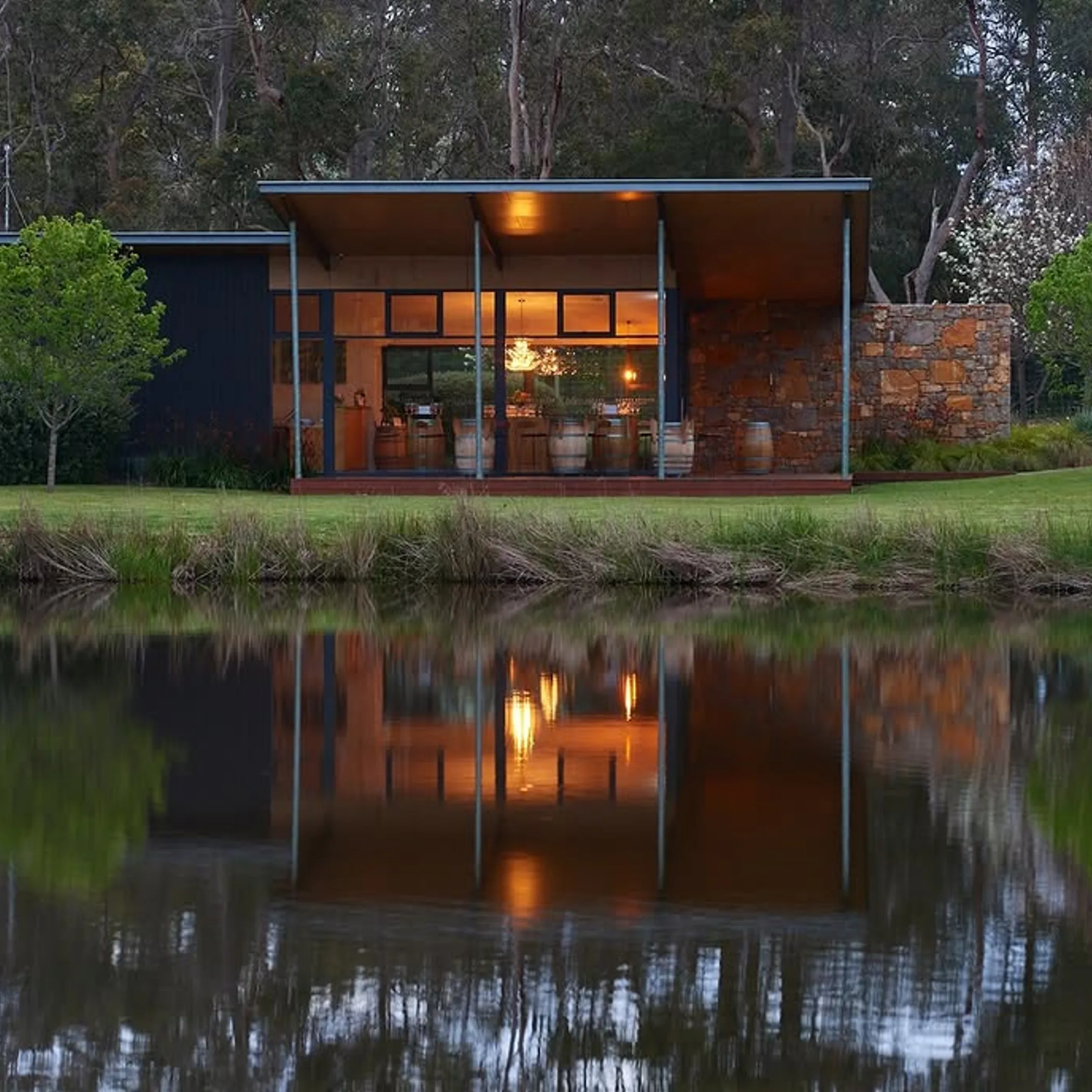
Autumn is ideal for the food and the harvest, spring for mildness and the vines, winter for some quiet and summer for the long days and al fresco dining. It is a matter of priorities and being prepared to adapt to the weather or the vintage schedule.
My advice is to pick a region and the return journey, book what needs booking and leave some room to breathe before the tasting begins. One is better off with this kind of trip than running from one end of the map to the other; it also preserves the energy to recall the lunch.
