Any sensible plan for seasonal gutter maintenance in Australia will have you do two checks a year. Do one in autumn once the leaves start to drop and another in the spring when winter’s rain and wind are behind you. It is the way to keep water off your roof, walls and foundations with clean gutters; and with some regular inspection you can put a stop to blocked downpipes, rust, a loose bracket or an incipient roof leak before they turn into something costly.
My name is Thomas Murphy and I am in Fremantle, Western Australia. Here a roof has to contend with salt air and dry leaves as well as the odd storm that puts on as much of a show as a road train. In this guide I set out how to prepare for storm season, what warrants a call to a professional and the like.
Plan Your Seasonal Gutter Checks
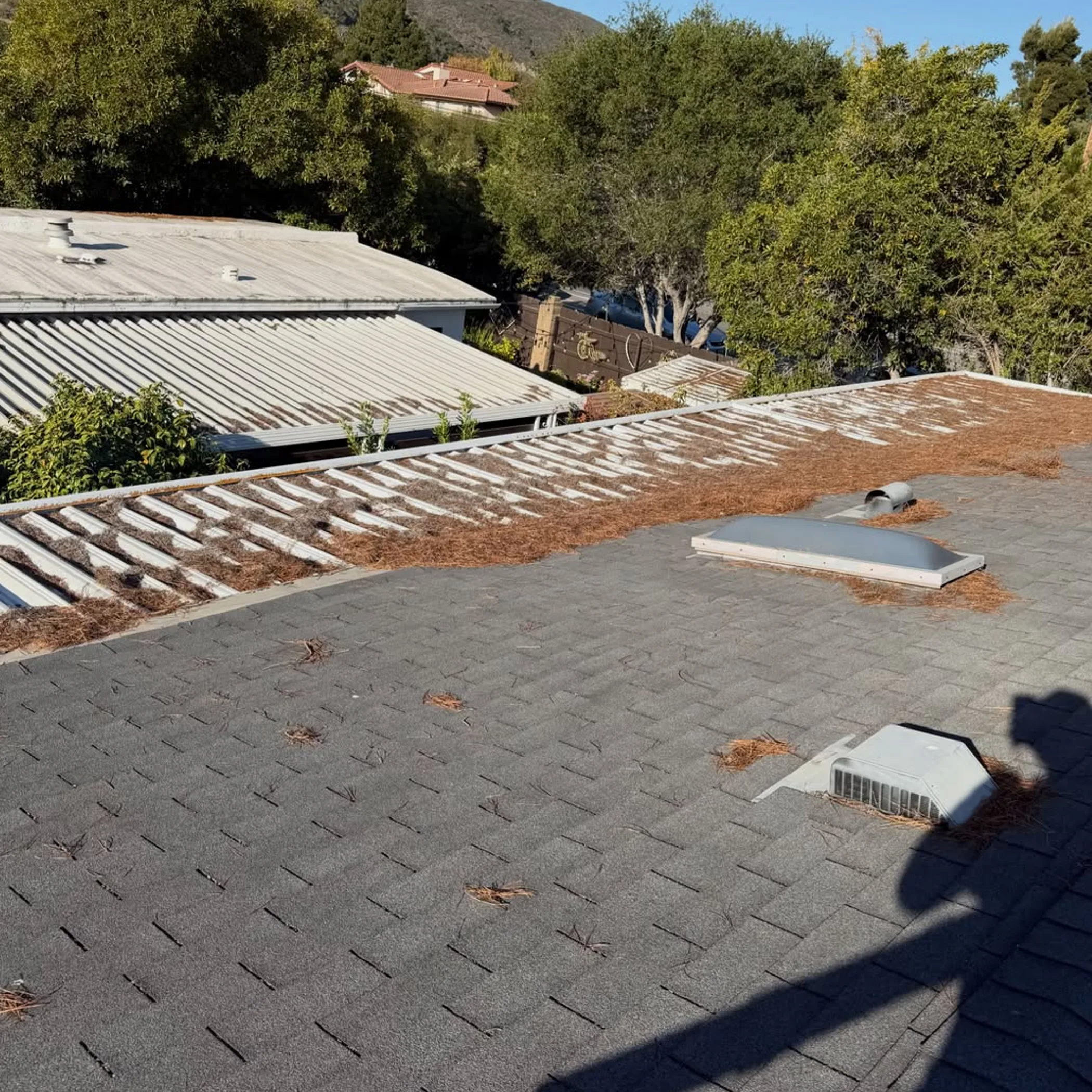
There is good reason to use autumn and spring as your markers for maintenance, they flank the big weather shifts in most of Australia. You will be clearing leaves and debris in autumn ahead of the winter rains and in spring looking for the sort of damage protracted dampness and hard winds leave in their wake. Use safe eave clearing tools for safer maintenance.
Then again, local conditions are what count. A townhouse with scant vegetation about it does not need the same eye as a house under gum trees. Up in the Top End the wet and dry seasons dictate things so a northern home might have its main inspection done before the wet rather than slavishly following a southern calendar.
A Practical Schedule to Follow
Take the schedule below as a guide, not something etched in stone. If you have a roof under trees or live where cyclones and bushfires are a fact of life, you may want to be more frequent about it.
| Maintenance Task | Best Timing | What To Check | Typical Frequency |
|---|---|---|---|
| Autumn gutter cleaning | When the leaves have mostly fallen | Any sediment, twigs, leaves or outlets on the block | Every autumn at the very least |
| Spring gutter inspection | In the aftermath of winter | Leaks, sagging, loose brackets and corrosion | Once in spring |
| Downpipe maintenance | As part of either check | Joints, grates, stormwater and flow | Twice a year, or if there is a blockage |
| Storm preparation | Prior to any heavy rain in the forecast | Roof drainage, overflow and guards | Ahead of major weather |
| Bushfire preparation | Before fire season gets underway | Debris on the roof edge, ember entry and dry litter | Heed local counsel |
To put it in perspective, say a house has four downpipes and one is blocked. That means 25 per cent of your discharge points are not to be had come the first real downpour. The risk is a function of the gutter design and size of roof but it tells you why the whole system can be compromised by a single obstruction.
Get the Gutters in Order for Autumn
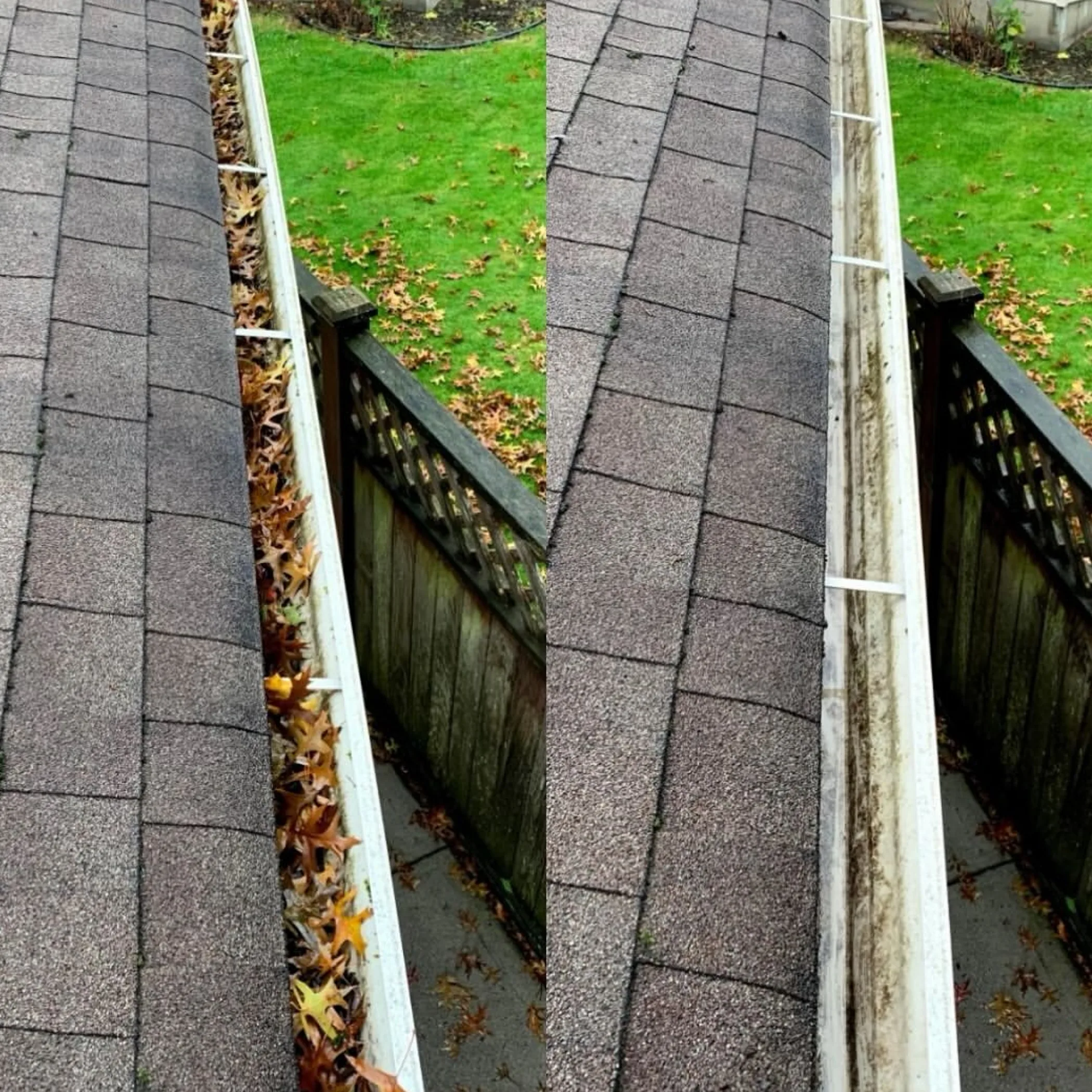
The falling leaves make for a compacted, wet mat which is why autumn is the time to clean them out. Dry ones are no trouble but get them wet and they are heavy, slippery and will bar the way to the downpipes. Nature makes a fine plug of it without the bother of an invoice.
Doing the work before the year gets wet allows you to spot the odd fault while it is still of no consequence. See if there are split joints, corners that are overflowing or water marks under the gutter and sections pulled from the fascia.
Dealing With Debris
A look from the ground will show you if there is a sag in the line, stains on the wall or eaves or vegetation in the gutter. Should the gutter be full it is not always a matter of leaves, a poor fall or damaged outlet could be the cause.
On a single storey property a professional will have the right tools for the job. For the homeowner on a ladder it is best to have a hand and both feet braced, not to lean over and to reposition the ladder instead of straining across a long run. Put what you have removed in a bucket or garden container, not on the ground where leaf litter can clog a drain or be a hazard in bushfire country. Gloves are a must to guard against rusty bits, bird mess, spiders and sharp edges.
Restore Drainage After Winter
Winter is over and now comes the matter of seeing if the system has held up in spring. Then there is the wind to dislodge a bracket, or rain to make a leaking joint tell on itself. Dampness will hasten the onset of rust and corrosion of a kind one would expect to find in coastal areas.
In spring one can put to light faults that dry weather has hidden. A gutter may be clean enough to look but still be holding water from having sagged; a downpipe could be in good order while its subterranean connection is not. An easy way to find out is with a hose, as long as one is careful where the water is aimed and the weather is not inclement.
Test Flow Without Flooding
Introduce some water at the top of the gutter and see how it makes its way to the outlet. It ought to go without lingering in pools. See for yourself that the downpipe is discharging and there is no build up around the gutter outlet.
Under no circumstances should a system be tested with a hose in a storm, in the vicinity of electricals or if there is any chance of water getting into the house. And do not be tempted to get up on a wet roof for a better view. With algae, mould or the like from the coast on them, roof surfaces are a good deal more treacherous than they seem from below. In northern Australia where cyclones are a possibility, heed the local warnings and leave the roof alone when the weather is bad. The Bureau of Meteorology has the official word on forecasts and warnings via its Australian weather warnings and services. One does not want to end up in the headlines over a gutter that needs cleaning.
Inspect The Whole Roof Edge
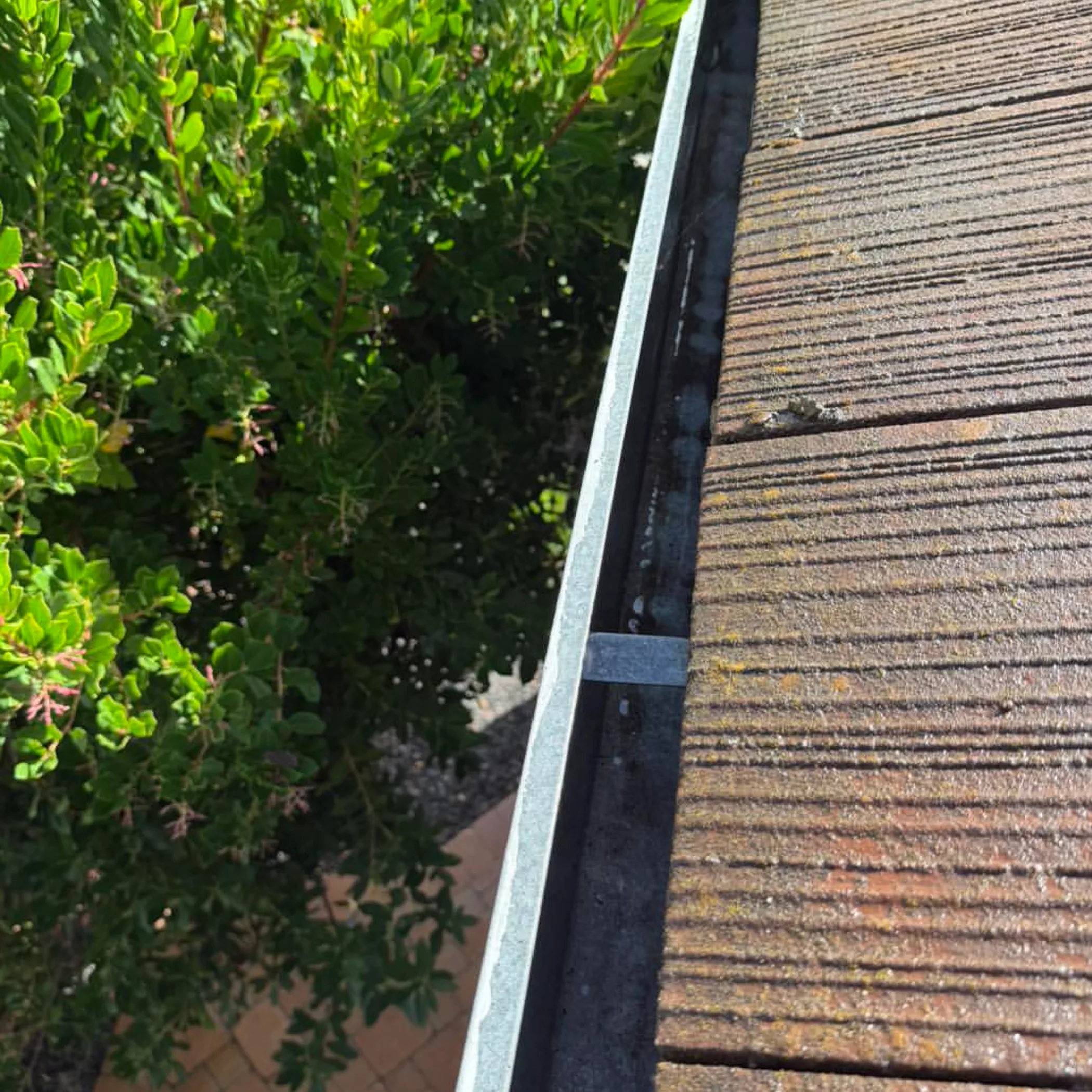
A proper inspection is not a matter of just raking out the leaves. Eaves, fascia boards, the roof edge, gutters and downpipes are all part of the same drainage system and a defect in one can put water into the building elsewhere.
It is common to be taken in by what is visible at the front and to overlook the back sections, corners, valleys and the outlets of the downpipes. Water will take the path of least resistance, be it behind the gutter or in the wall cavity instead of the stormwater system.
Warning Signs to Look For
- Gutters that are blocked or have standing water, damp marks under the line of the gutter, an overflow at the corner.
- Any brackets or screws that are loose, a section of gutter pulling away from the fascia, or a sag.
- Holes, rust, corroded or cracked sealant and joins that are leaking, the latter being more of a concern in homes by the sea.
- Downpipes which rattle or come apart at the joints, ones that do not carry off the water but discharge it against the wall.
- Stained eaves, peeling paint, mould, timber that has swollen or a leak in the home.
- Gutter guards that are clogged with fine material, lifted or crushed, or hard to get at for an inspection.
Guards will keep some of the leaves out but they are no substitute for maintenance. Fine debris such as moss, dust and small leaves will be found on or under them. Do not just stand in the driveway and admire the leaf guard; check the fasteners, edges and outlets.
Make sure you inspect the point where downpipes and stormwater drains come together. Should the water be slow to go or rise up at an inspection opening, the blockage is likely underground and calls for a plumber or someone who knows drainage, not an optimistic fellow with a garden hose.
Cleaning according to local conditions
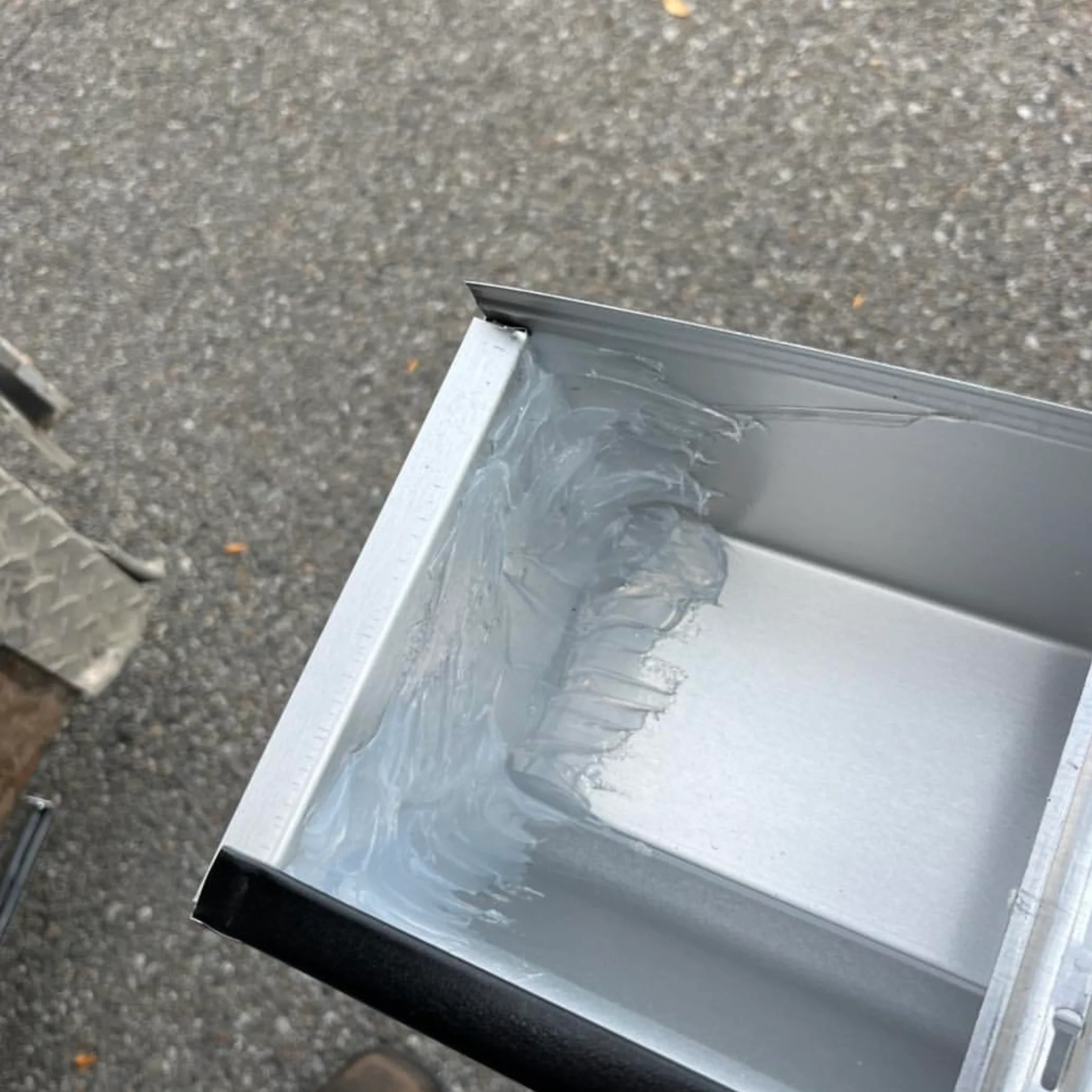
How often gutters require attention in Australia is not a given. Most places call for at least two a year, though a property with trees might need three or four. Dust will collect as sediment in the inland, salt exposure in coastal homes will corrode things quicker.
The frequency should be such as to forestall an overflow and spot damage. If there are plants in the gutter, leaves spilling over or stains on the walls, the calendar has had its say.
Put your property first
After a roof repair, tree work in the area, or severe weather and the ash and detritus of a bushfire smoke event, make a checklist. Tenants must report any unsafe access, leaks or overflow without delay; owners of rental stock will want to put inspections through the proper channels.
For a day of maintenance, attend to the most exposed elevations: the valleys that see a lot of water, the downpipes by the bedroom or door and those under the trees. But if the roof is steep, the ground uneven or the gutter in a state of decay, it is not a job for a novice, particularly in a two storey home.
A professional might be done with a single-storey bit in less than an hour if he has clear access, but a large home with its various roof levels and obstructed downpipes and guards can occupy several hours. Take these as practical estimates rather than anything else, the job is subject to the height, the debris, the drainage and the weather.
Work Safely Around Heights

It is better to take your time than to put ladder safety in jeopardy for the sake of speed. A fall is a real hazard and one does not want to end up in hospital over some gutters. Make sure you have firm, level ground underfoot and the work area is unobstructed; do not set a ladder on anything as flimsy as a box or an improvised support, nor on wet decking or loose soil.
The work zone should be off limits to children, pets and any visitors. Park your car at a distance from the ladder so there is room to move equipment about. While public transport has no part in this, having another adult on hand is handy to pass a tool, steady something down or in case you need to call for assistance.
Know When To Stop
There is no point working in the wind or rain, or if the roof is wet and you are having to overreach. Put it aside if the ladder is not stable and stay clear of overhead powerlines. Metal tools are out of the question where they might come into contact with electrical services and unless you are sure of where the water will end up, do not pressure-wash the edges of the roof.
With a more complex or tall property, engage a professional who is properly licensed and insured to put the work in perspective. Get local quotes rather than go by a national figure that is likely to be as rough as guts; prices will differ according to the state, the size of the roof and access. And make sure the price covers debris removal, a flush of the downpipes, any seal replacement and a written account of defects.
Repair Before Damage Spreads
A blocked outlet is often an easy fix but a clean gutter that overflows again and again is indicative of a problem: wrong fall, an undersized downpipe for the roof area or a faulty outlet. Where the gutter is structurally sound with only a few holes or some leaking joins and loose brackets, repair is a good option. But if long runs are rusted and deformed or pulling at the fascia boards, then replacement is called for.
Compare Expectation And Reality
One expects gutter guards to be the end of cleaning the roof edge. In reality they will keep the larger debris at bay but still require a once-over, in a tree-lined home at least. You may think a clean gutter will not leak yet corrosion and failed sealant are not remedied by cleaning. Not every overflow is down to leaves; intense rain and poor drainage can be just as much to blame. And while autumn is the season of choice for many, a spring look-see will show you what winter has done and give you time to get the gutters in order for the next bout of severe weather.
Answer Common Gutter Questions

Homeowners wanting to avoid a full blown roof and wall saga put these questions to me. The answers are straightforward enough though a serious defect or an unusual home is best left to a professional.
When Should I Clean Gutters In Australia?
In autumn after the leaves have fallen and again in the spring to check them post-winter. Do an extra check before any heavy rain is in the forecast or cyclone conditions up north, or when dry debris is an issue in bushfire season.
Autumn Or Spring?
Autumn to get the leaves out of the way ahead of the wet is generally preferable. But for checking flow and corrosion after winter, spring is a must. Most Australian homes would be safer doing both.
How Often?
Twice a year is a good place to start, subject to the climate and how the roof is designed. If you are under a lot of trees you will be at it several times a year, an exposed home less so but inspections should be regular.
What Of Blocked Gutters?
They will run over into the eaves and foundations. The moisture can lead to staining, mould and pest problems as well as water damage. It makes for slippery paths too and puts undue strain on the fixings.
Is A Ladder Necessary?
For some single-storey work you can use the right equipment from the ground but that is no substitute for an inspection. Do not be tempted to force debris down the pipe or use a long tool in the vicinity of powerlines. There is a case for the professional’s gear.
Downpipes As Well?
Certainly. A blocked outlet means the rest of the gutter is of no use. See that the discharge is not pooling against the building and check the joints from the top if it is safe to do so.
Any Value In Gutter Guards?
Under trees they will cut down on maintenance and large leaves but it is a matter of the product and how it is put in. They can make an inspection harder and will want some tending themselves.
Time For A New Set?
If the gutters are sagging, full of holes and rust or the joins have given way they are past their use. Have a contractor have a look at the whole drainage system if the fascia is damaged and you are repairing more often than not.
Keep The Water Moving
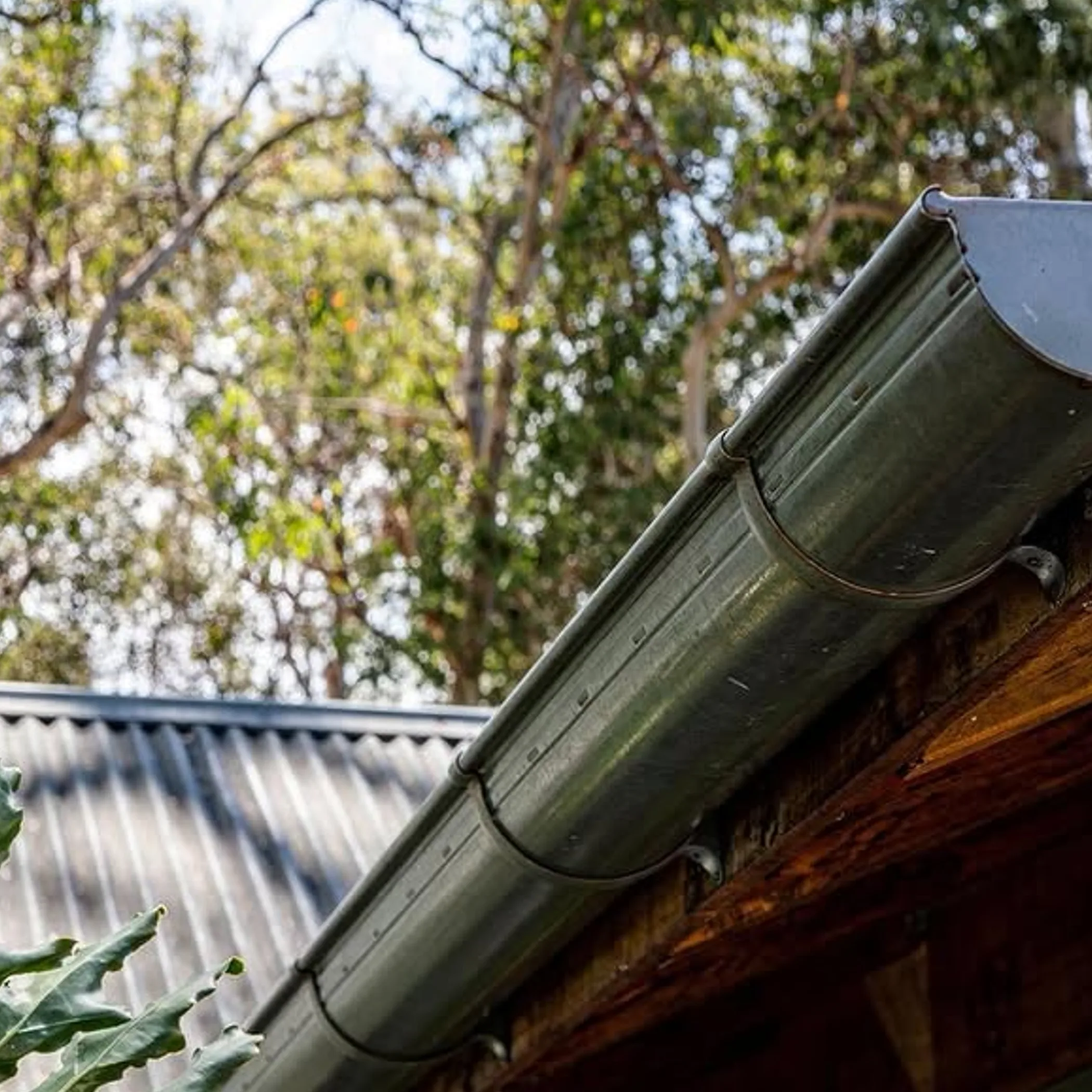
In principle it is not complicated in Australia: remove the debris and test the flow, have a look at the roof edge and nip a fault in the bud before it does any harm. Autumn cleaning is for the wet season, spring for what winter has left behind.
Make a note of it twice in the calendar and have your gloves and the like to hand. Consider ladder safety part of the job description. An afternoon spent about the eaves is a fair return for the money and expletives it will save you down the track.
