Australia Rooftop Care Guide: an annual rooftop maintenance guide created specifically for Australian homeowners to alleviate leaks, storm damage, blocked gutters and other costly nuisances. I am Thomas Murphy writing from Fremantle, a place in Australia where the rooftop can take a toll from salt and moisture due to winter, summer heat and a rare occurrence of trees which don’t follow code.
The simplest approach is four check-ups every season and also the check-up to inspect your rooftop for potential storm damage after severe weather conditions. You don’t need to go rooftop crawling every other two weeks. However, you can just explore everything from the soil, inspect the roof cavity, clean gutters which are easily reachable, make a call to a licensed roof plumber in case the issue turns out to be more dangerous than a ladder and a pair of gloves.
A Practical Roof Maintenance
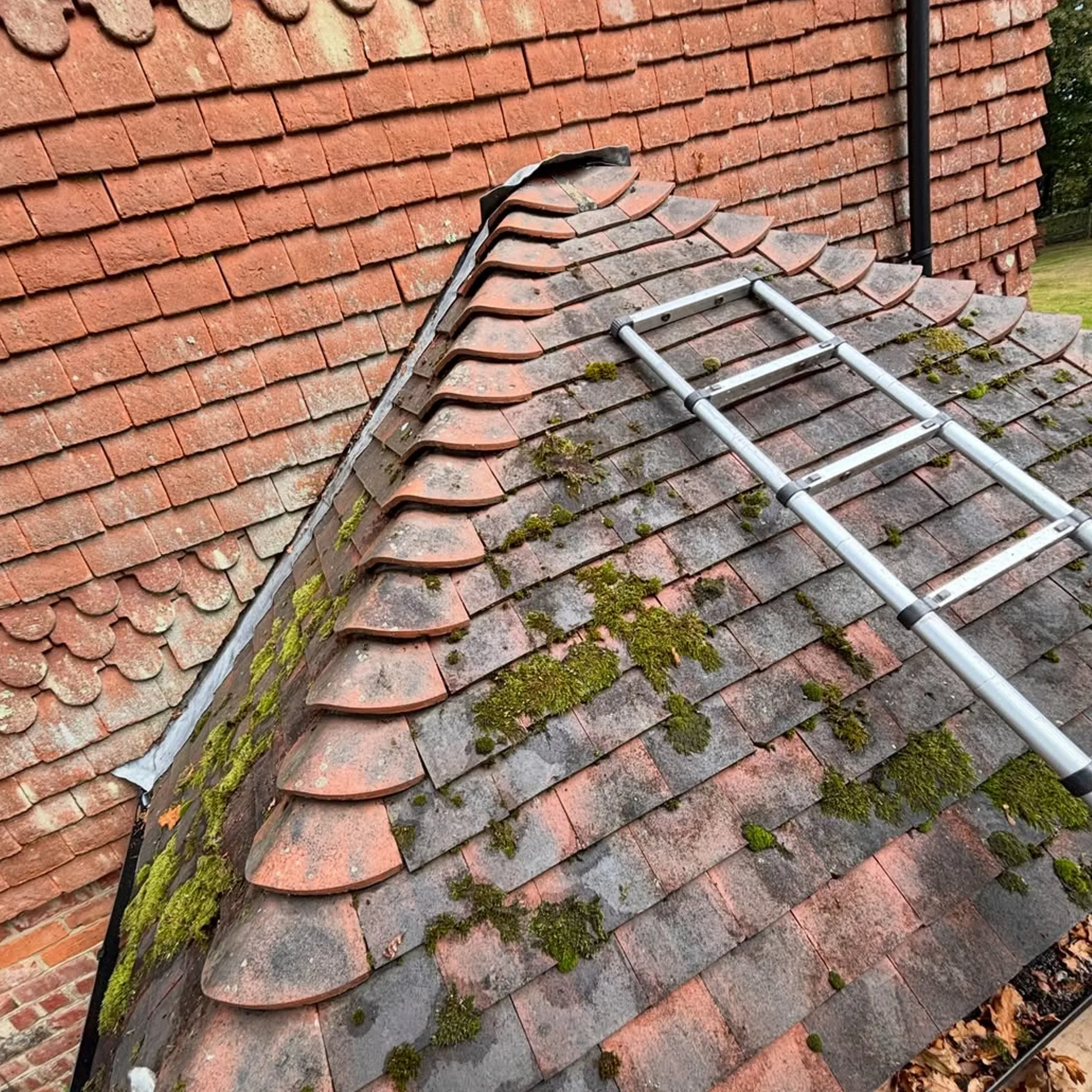
Areas with different climate conditions require different roof care and maintenance. For example, in a place like Brisbane and Queensland humidity and moisture in the summer months can worsen the condition of rooftops. The cold and windy weather in Melbourne and Adelaide can also cause troubles while places like Western Australia expose oxidation and fire hazards in most areas. New South Wales serves as an example of a mixture of drought and heavy rains.
In my opinion it is important to inspect the rooftop before the season because it might look absolutely good from the driveway only to reveal cracks in a few days. For optimal roof cleaning timing, ideally, you have to carry out 5 main inspections throughout the year – at spring, summer, autumn, winter and one additional storm damage inspection.
Spring Rooftop Maintenance Checklist
Spring is the best season for discovering troubles caused by winter and resolving them before they create trouble in summer. Everything becomes much easier when there is good light outdoors and the rooftop is dry.
In places like Perth, you need to pay close attention to potential salt deposits and wind damage. The same concerns Melbourne and Adelaide where the rooftops can also suffer due to cold rainy climate. Brisbane and other regions with high level of humidity are the areas where moss and algae grow during the summer months.
Clear Debris from Winter Time
When you stand on the ground trying to examine the rooftop you will see if there is anything jammed in the valleys and vents of the rooftop. Clean easy-to-reach gutters and check if they discharge moisture. A clogged downpipe can make a minor roof issue seem like a bigger wall problem, and this can be a very costly kind of illusion.
Do not assume that gutter guards will eliminate the need for maintenance. They will cut down the amount of debris but can still accumulate leaf matter, seed pods and fine silt. It is better to check the guards, outlets, and the points of entry of downpipes instead of taking a hopeful look at the whole system.
Look Closely at Roof Surfaces
In tile roofs, identify all cracked, slipped, or broken tiles. In metal roofs, find out any corrosion, lifted edges, or loose roof sheets. Avoid walking on a fragile roof or on a wet roof to investigate. It is better to check from the ground with binoculars or arrange for a thorough inspection by experts.
Inspect flashing and sealant around chimneys, skylights, vents, solar penetrations, and roof-wall junctions. The paths of water are often through dried sealant, rusted flashing, and holes surrounding penetrations.
Summer Roof Maintenance Checklist
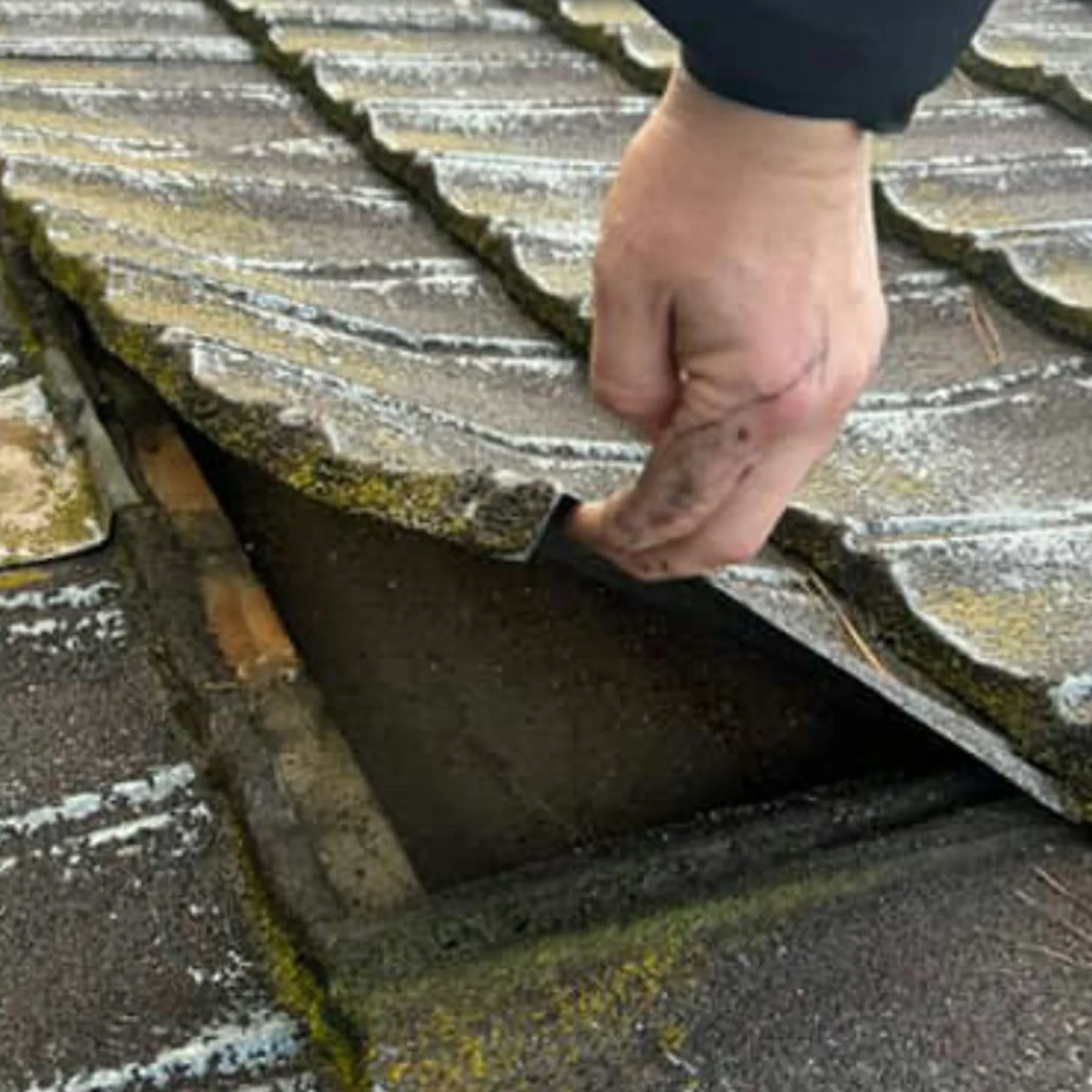
You need to know how to handle heat, sudden storms, and fire exposure in summer roof maintenance. In the northern part of Australia, cyclone alerts are given during the period from November till April, so it is better to follow the advice of the emergency authorities and avoid roof work at moments of strong winds.
In southern areas, summer carries the problems of dry grass, hot metal surfaces, and bushfires risks into many people’s lives. Besides being an important part of a building, the roof can also become a door for fire because of the accumulated debris.
Reduce Heat and Fire Risks
Make sure roof vents are not blocked and that the ceiling cavity has sufficient ventilation. Examine the roof insulation for dampness, compression, or movement. Insulation must also not block the proper ventilation openings and electrical equipment, so contact a qualified trades person if you have some doubts.
Clean dry leaves, twigs, and other combustible material off gutters, valleys, and the edges of the roof. Cut back any overhanging branches from the roof whenever it is possible, avoiding power lines. Local bushfire directions must be followed regardless of any needs you have because requirements and risk may differ.
Prepare for Sudden Storms
Prior to the onset of storm season, you need to check your downpipes and gutters for proper attachment and also check the downpipe outlets for possible crush and block. Everything should be in order if you can see no sagging gutters and there are no needed brackets and water marks below.
After hail or strong winds, check for metal dents, broken tiles, and/or damaged solar, wiring or fallen cables. Do not touch these components.
Autumn Roof Maintenance Checklist
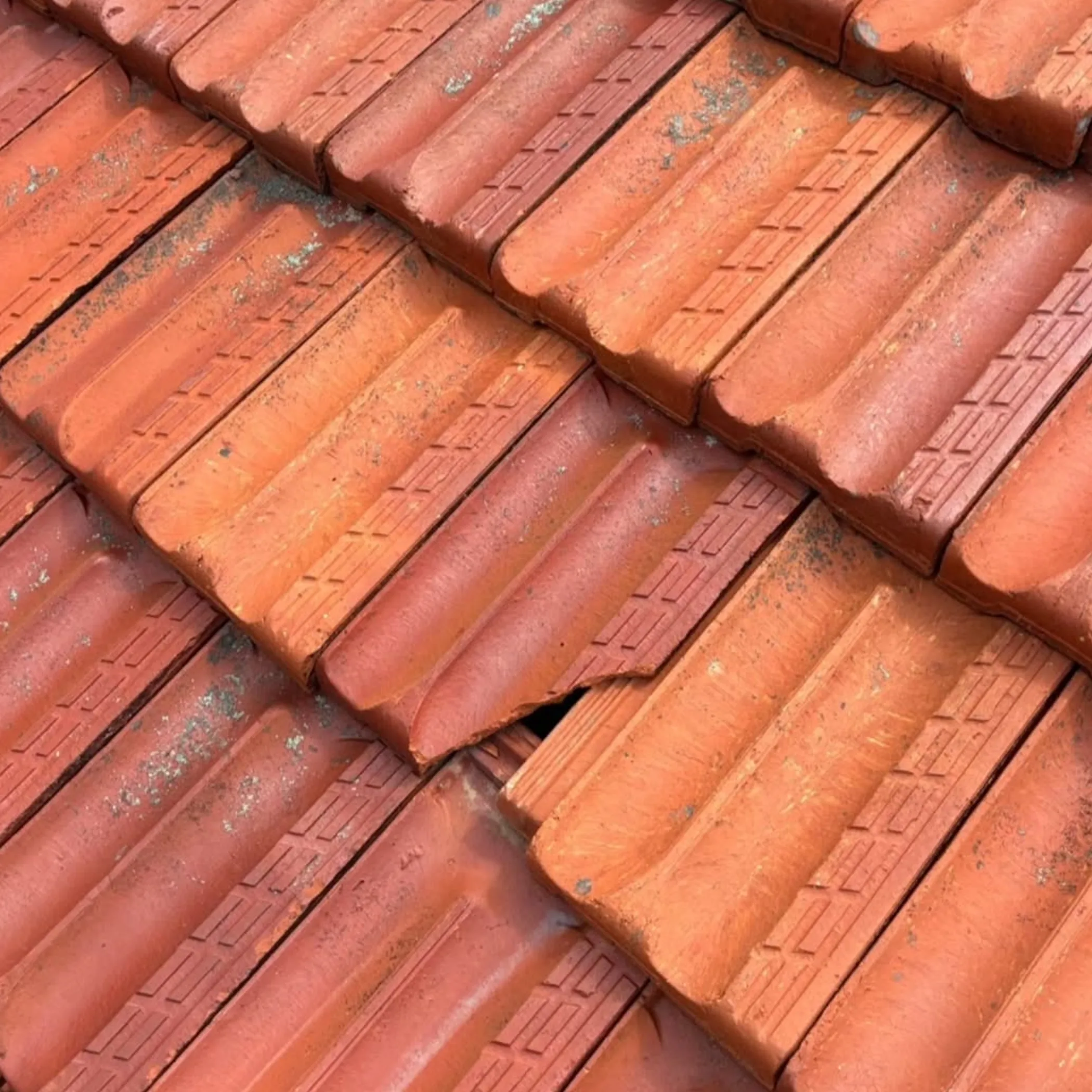
If you want to prepare yourself for the weather conditions, the best time to maintain your roof is autumn. This is the moment when many homeowners discover that their “temporary” gutter clogging has turned into a permanent and wet reality. Coastal locations may require more stringent check-ups when it comes to issues around corrosion while homes located in bush areas should consider the risk of bushfire ember to be a property-wide problem rather than simply something that has to be done once a year.
Clean Up The Leaves And The Branches
Prior to heavy rain, remove all the leaves located in gutters, valleys, and about all roof penetrations. Check for downpipes by running water through accessible parts of the downpipe system and watch it where it drains out. You should not have water pooling near the house nor forcing back to the footings up to the house.
In case there are branches contacting or posing a threat to the roof, get a qualified professional to arrange tree maintenance. Although typically not a good idea to attempt cutting a branch close to overhead power lines on your own, do not allow it. If a tree has fallen onto the roof, refrain from entering the ceiling cavity until the structure has been evaluated.
Check Water Entry Points
While you are inside the house, review ceilings, cornices and ceiling cavity for possible signs of stains, damp insulation, musty smell or anything that appears out of place. Stains may appear far away from the leak itself due to the way water travels along the timbers and insulation.
Review roof valleys, ridge capping and penetrations after cleaning. These sections get a concentrated roof flow and often reveal any problems before the adjacent roof. In case you come across a leak, document it and arrange for an inspection, while not just painting it.
Winter Roof Maintenance Checklist
Just like summer roof checklist, roof maintenance at winter focuses on avoiding water to enter the building and keeping moisture flowing within it. In case you live in a locality susceptible to cold weather, be advised that mornings can spot condensation issues easily imitated for a leak in the roof.
In the wet regions of Queensland and New South Wales, check after several heavy rain events. In Melbourne, Adelaide and Western Australia, wind-blown rain can cause stress to flashing and roof edges even if the total amount of rain was not high.
Be Aware of Any Water Leaks Before They Get Larger
Check for new water stains, peeling paint, damp insulation and musty smells. Check the area around the skylights, chimneys, vents, and where the roof meets the walls. If water is in proximity to a light fitting, turn off the relevant circuit if it is safe to do so, and contact an electrician and roofing professional.
Do not use a bucket instead of making repairs. It is extremely effective in collecting water and totally ineffective for fixing a roof.
Look for Proper Ventilation And Insulation
Correct ventilation in the attic space is important to control moisture, but greater is not necessarily better. Blocked soffit vents, improperly laid insulation and bathroom exhaust fans venting into the ceiling space, create humidity.
Wear and check whether the exhaust fans vent out.
Conducting Metal And Tile Roof Inspections
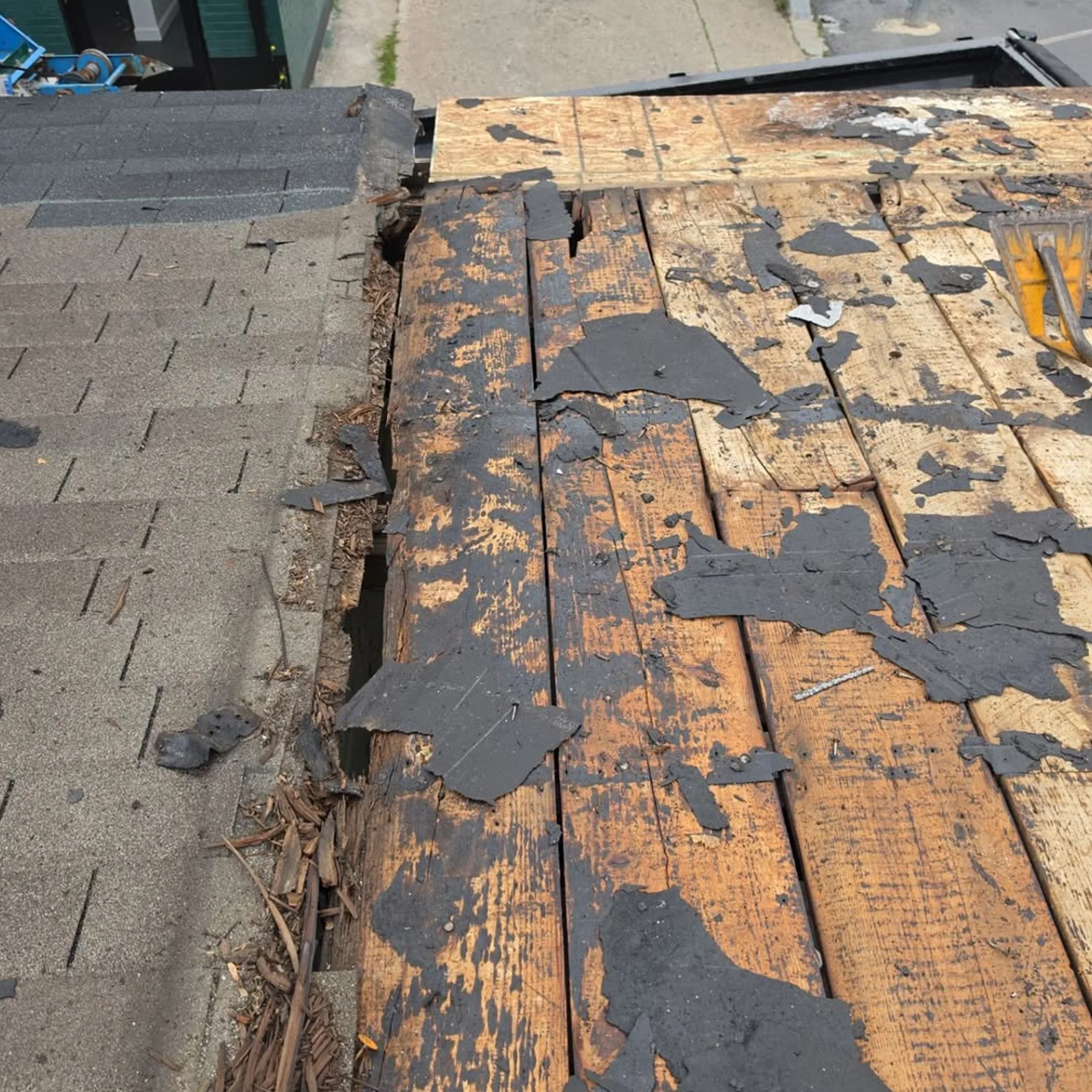
Despite tile roofs and metal roofs requiring different inspections, both windows of neglect. Requirements change with roof structure, angle, age, exposure to the coast, and other points.
Tile roofs are prone to cracking, slipping and ridge capping damage, whereas metal roofs are prone to corrosion, loose metal sheets, and so on. Neither of these materials are free from maintenance, as it was stated in the brochure.
Inspecting Tile Roofs
Check for cracked tiles, chipped edges, slipped tiles, and deteriorating mortars or flexible bedding. Moss, lichen and algae can grow in damp or shadowy areas. Cleaning is helpful, but aggressive pressure cleaning can damage tiles, peeling, or pointing.
Timing for proper cleaning depends on a roof material, growth, weather conditions in the area, and restrictions on water consumption. The best time to conduct cleaning is when the weather is dry and mild.
Inspecting Metal Roofs
Look for rust, bubbling paint, loose metal plates, and damaged screws, and pay special attention to the edges, valleys, penetrations, and areas where dissimilar metals meet.
Never paint any other metal before removing corrosion.
When to Get the Professional Services
In case your roof has become steep and fragile, you should consider hiring a professional if there is a shallow and easy way to access the roof. Also, hiring a roof storm inspector does make sense when you have been experiencing problems with it already.
Look for a scope which describes inspection, cleaning, minor repairs, and replacement, as prices in this industry dubious.
Make Sure You Choose the Right Professional
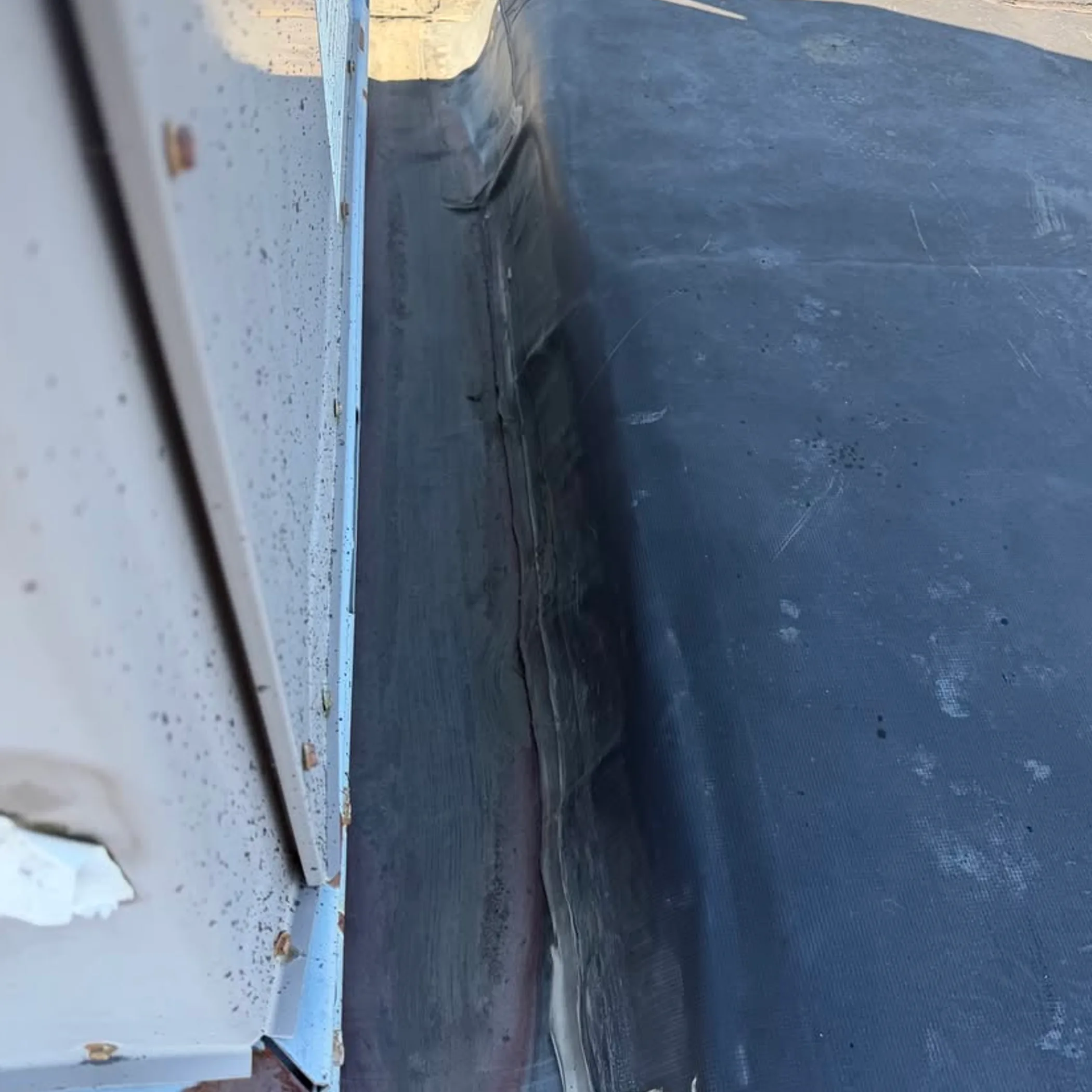
If you have a certain area of your house with plumbing issues, choose a licensed plumber. Be careful not to pay excessive deposits.
Make Sure Your Safety Is Guaranteed
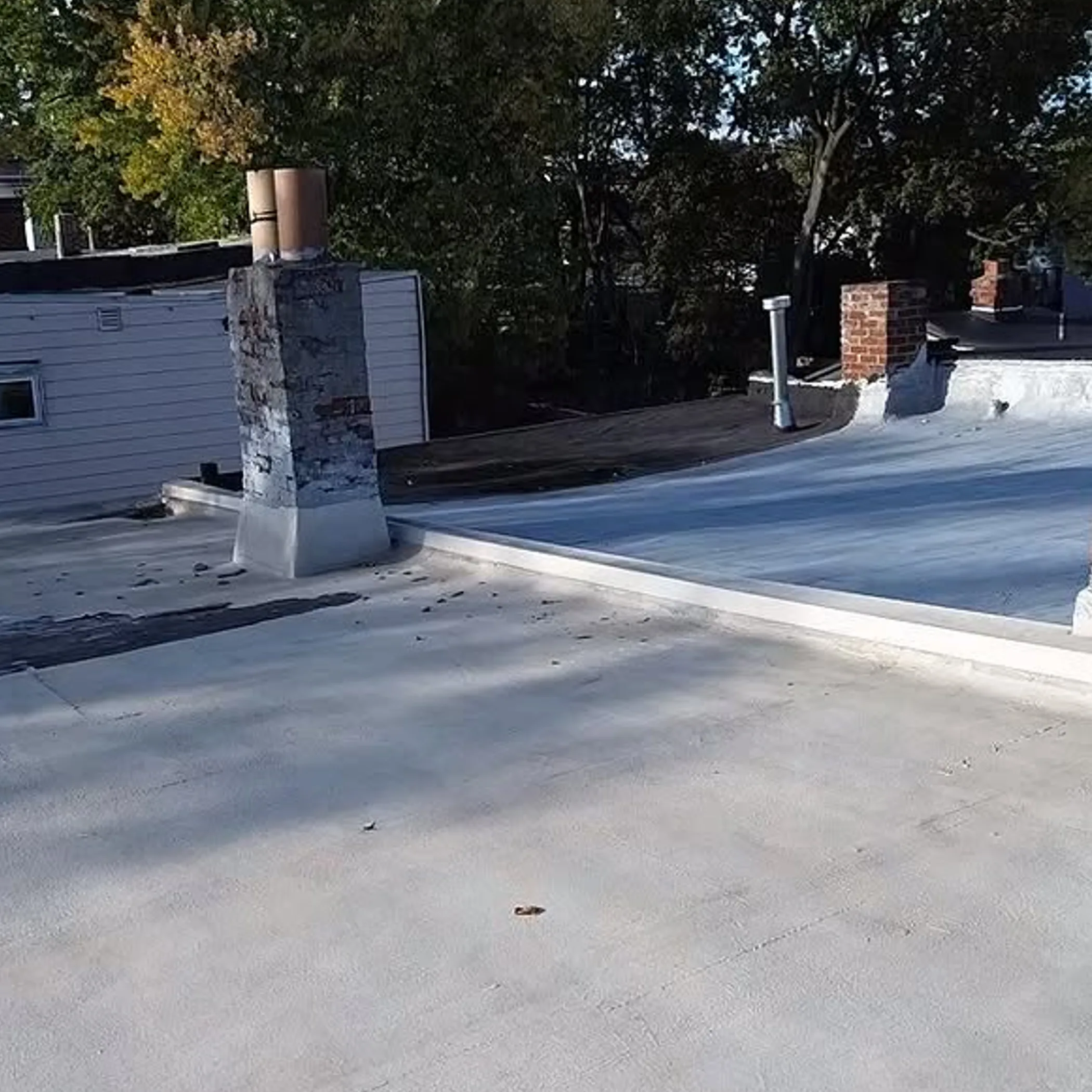
Working on your roof is not the best idea if it is windy. Falls can result in severe injuries, and roof access is often riskier than one might assume due to hazardous roof components like wet tiles, brittle sheets, skylights, and concealed electrical dangers.
Whenever possible, utilize ground-level checks. If hire a contractor for access, check that they have adequate fall protection equipment, safe ladders, or rooftop equipment, along with some strategy of the changes in weather. Safe Work Australia provides official guidelines for working safely on heights.
- Do not go on any wet, damaged or steep roof, and do not step on skylights or transparent sheets.
- Always keep ladders placed on firm footing, maintain three points of contact and avoid power lines.
- When clearing gutters, wear gloves and protective eye wear, and stay alert for wasps, spiders, sharp metal and broken tiles.
- If there is lightning, strong winds, extreme heat, or a bushfire, do not work.
- Use professionals whenever the roof, electrical system or structure is questionable.
Common Questions about Roofs
These are the most common questions that homeowners ask once they find out that their tiling is wet, downpipe is blocked or suspicious-looking tiles. The short answers are functional, but serious damage still requires an on-site assessment.
Roof Maintenance Checklist
Check gutters and downpipes, roof valleys, visible tiling or sheets, flashing and sealant, ridge capping, and trees that hang over the house ceilings. Repeat the process every season and after major storms. Properties that are under trees, near coastlines or in bushfire prone should be checked more regularly.
Roof Maintenance
Roof maintenance includes inspecting roof surfaces, cleaning away debris, testing drainage, checking for flashings and penetrations, checking for corrosion or cracked roof tiles, and attic ventilation as well as leaks and water stains possibly indicating issues below. It may also include small repairs, safe roof cleaning and tree management.
Common Problems Associated with Rooftops
The common problems with roofs are blocked gutters, cracked or misplaced tiles, rust or sagging sheets, failed flashings and sealant, and damaged ridge capping or roof valleys.
Cleaning Frequency for Tiles
There is not a reliable national interval. Tiles should be inspected often and cleaned when the drainage or surfaces are get affected by moss, lichen, algae or dirt. The right timing depends on shade, moisture, coat, material of the roof and cleaning method. Try to avoid pressure washing if it is not confirmed accepted.
Can I Inspect The Roof Myself?
You may be able to inspect it from the ground or to check the accessible gutters, or try to peek into the ceiling cavities. Do not attempt to enter by climbing up there if it is steep, wet or fragile. It is safer to have a professional inspection whenever you are unable to spot the problem.
Make inspections boring

The best roof checklist that homeowners can follow is to check it 4 times every year, clean the drainage before the rainfall, and check them again after the rain.
Most times ceiling damage is not apparent to begin with. It is a cracked tile, blocked down pipe, loose fastener or an old piece of sealant. Routinely and thoroughly inspect your roof.
