Facade access systems for high rise buildings, which will be offered for implementation in Australia in 2026, will consist of building maintenance units, suspended platforms, davits, and industrial rope access. The optimal solution will depend on the height of the building, outline of the facade, frequency of maintenance, the wind load to the facade, the architectural design of the roof, the rescue plan and your financial possibilities. Thus, there is no single best solution. A glass office tower may be integrated with a BMU, while a smaller apartment may be suited for davits.
In this guide, issues related to practical implementation of access systems for Australian buildings will be discussed, including issues of access reliability, safety, climate conditions, maintenance prices, and usual mistakes. This text has been written by Thomas Murphy, a person who needs a clear map, good coffee and an honest brief before someone has started the simple-looking job just in front of him.
Pick The Right Access Option
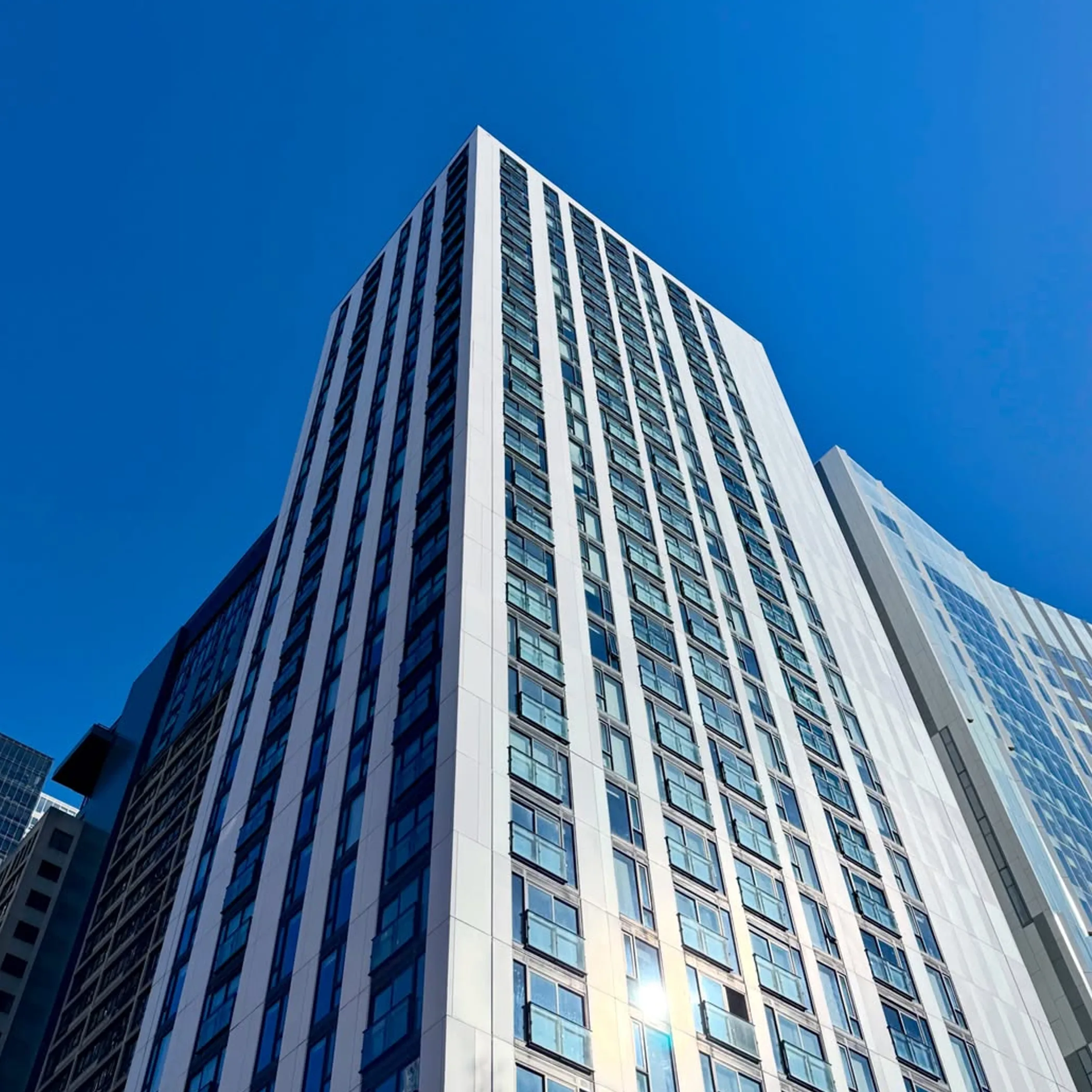
The access system should make routine works more predictable and not just possible. The best access option is the one which provides perfect coverage of required heights, protects workers from falling down, limits the risk of damages for the building, and allows checking, repairing, and rescuing equipment without any improvisations. For access method comparisons for towers, these factors should be evaluated together.
Before you choose the equipment, it is necessary to make a clear chart of the facade zones, anchor points, the place of equipment, pedestrian routes, and emergency ways. No bright leaflet contains information regarding whether your platform will go beyond a balcony at the 18th level. An access study will contain this information.
Building Maintenance Units
A BMU is a special machine which is permanently placed on the roof of the building. This type of machine moves along a railway and helps to lift workers down. It is mostly used on big commercial and residential buildings in Australia because it provides a constant means of access needed for the purpose of cleaning windows, checking the facade, sealing, and making some small restorations.
BMUs are mostly used in those cases when the shape of the facade is not complicated and the roof of the building can hold your crane, trolley, davit, or solid base etc. Using this kind of unit, there is no need to bring equipment there every time the maintenance is scheduled.
However, there are some downsides in the use of BMU. It needs regular inspection, trained personnel, emergency plan, and also requires constant electrical servicing. It may also have troubles with overhanging balconies, sloping glass, and narrow spaces.
Suspended Platforms
Suspended platforms use powered hoists and wire ramps to provide access for workers during cleaning and inspection of open facades. When you cannot install a BMU in the building, suspended platforms will be a good alternative.
They are suitable for many mid-rise and high-rise buildings in Australia, but only if everything related to the structure, suspension points, and exclusion zones have been already assessed.
Davit Arms and Roof Sockets
Davit systems utilize either removable or fixed arms that extend across the parapet, allowing the suspension of access platforms or other access equipment. They are particularly beneficial in high-rise buildings and buildings with multiple access positions around the roof perimeter.
The obvious benefit of this system is its flexibility. The main danger is the assumption that a small, roof socket is automatically sufficiently strong to support every load applied. Engineers must always verify the following: support structure, working load, equipment compatibility, and the installation method. In addition, roof sockets must be clearly marked, protected against damage, and must have an inspection history.
Industrial Rope Access
Industrial rope access involves technician on two separate working and safety lines. It is especially useful for target inspections, difficult architectural details, signage, leak investigations, and places inaccessible from a cradle.
Another added benefit can be lower disturbance at ground level, and quicker for small jobs. However, it is not a shortcut around planning. The project still needs to have competent technicians, suitable anchor systems, rescue planning, exclusion controls, and weather monitoring. Rope access is a method of work; it does not resolve every access problem along the way.
Comparing Access Solutions for Tower
Owners often compare kinds of equipment only by the price of purchase, which only a tiny part of the bigger cost: roof modification, certification, training of operators, inspections, downtime, storage, traffic control, rescue equipment, and future spare parts.
This table contains differences among access methods for towers, but still site specific engineering and safety assessment should be conducted prior to making a choice.
| Access method | Best fit | Main strength | Main limitation | Planning priority |
|---|---|---|---|---|
| Permanent BMU | Large, regular towers. | Repeatable access over long time. | High cost of installation. | Roof structure, tracks, and rescue systems |
| Suspended platform | Commercial and residential towers. | Broad coverage of facades. | Sensitivity to wind and obstruction. | Locations for suspension points and exclusion zones |
| Davit arms | Building with appropriate roof sockets. | Flexible equipment arrangements. | Limited by the location of the sockets and loads. | Structural capacity and compatibility of equipment |
| Industrial rope access | Targeting or irregular work. | Reaches all difficult details with minimum ground equipment. | Requires specialists and rescue planning. | Anchorage points, rescue, and weather control. |
| Mobile elevated work platform | Lower levels and accessible locations. | Usefulness of localized work. | Limitations of height, ground access, and reach. | Ground carrying capacity, traffic and overheads. |
Plan For Australian Weather
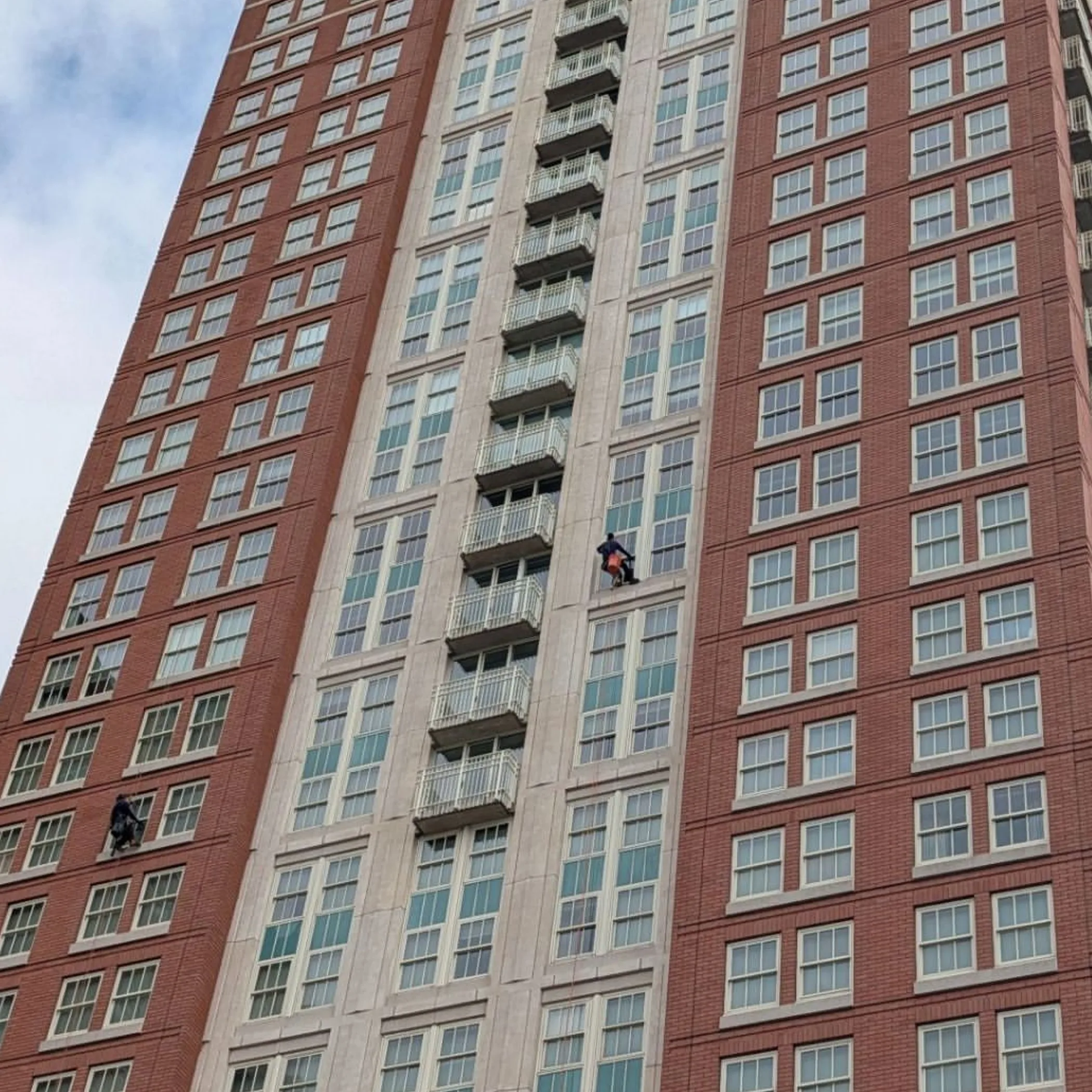
When planning access to the façade, weather should not be regarded as an incidental detail. Wind, rain, heat, storms, and lightning can significantly affect safety as well as the stability of the platform, the possibility of using the rope system, and the ability of the workers to handle everything: glass, tools, and cleaning equipment.
Towers at the cost are exposed to wind, corrosion, and other damaging factors. Buildings in northern Australia should take into account wet seasons and cyclone notifications. In addition, it is necessary to think about windy and rapidly changing weather in Melbourne and Hobart through hot summer surfaces and coastal breezes, strong gusts along with salt in Perth. Forecasting from the office computer screen isn’t sufficient, as the work team requires conditions at roof height, and along the exterior of the building as well.
Rules Stopping Work Due to Weather
Each of the projects must detail who has the authority to stop working, what weather indicators will stop work, and how to stop the workers once the work has stopped. When it comes to using the equipment or following the set of rules consider the prescribed equipment limits by the manufacturer, and the risk assessment conducted to find the rules will be the most appropriate course of action.
The pendulum effect may be created by wind, cradle being pressed into the parapet or a suspended platform becoming uncontrollable. Likewise, rain can hinder visibility and turn surfaces slippery. It is also very important to take lightning very seriously with all the exposed roofs and metal equipment on it. Getting delayed for being two hours is such a nuisance, but having to summon the rescue services is awful.
For the general guidelines regarding height safety, refer to Safe Work Australia’s general fall from heights guidance as well as the rules pertaining to the corresponding state or territory.
Work Out Site Logistics
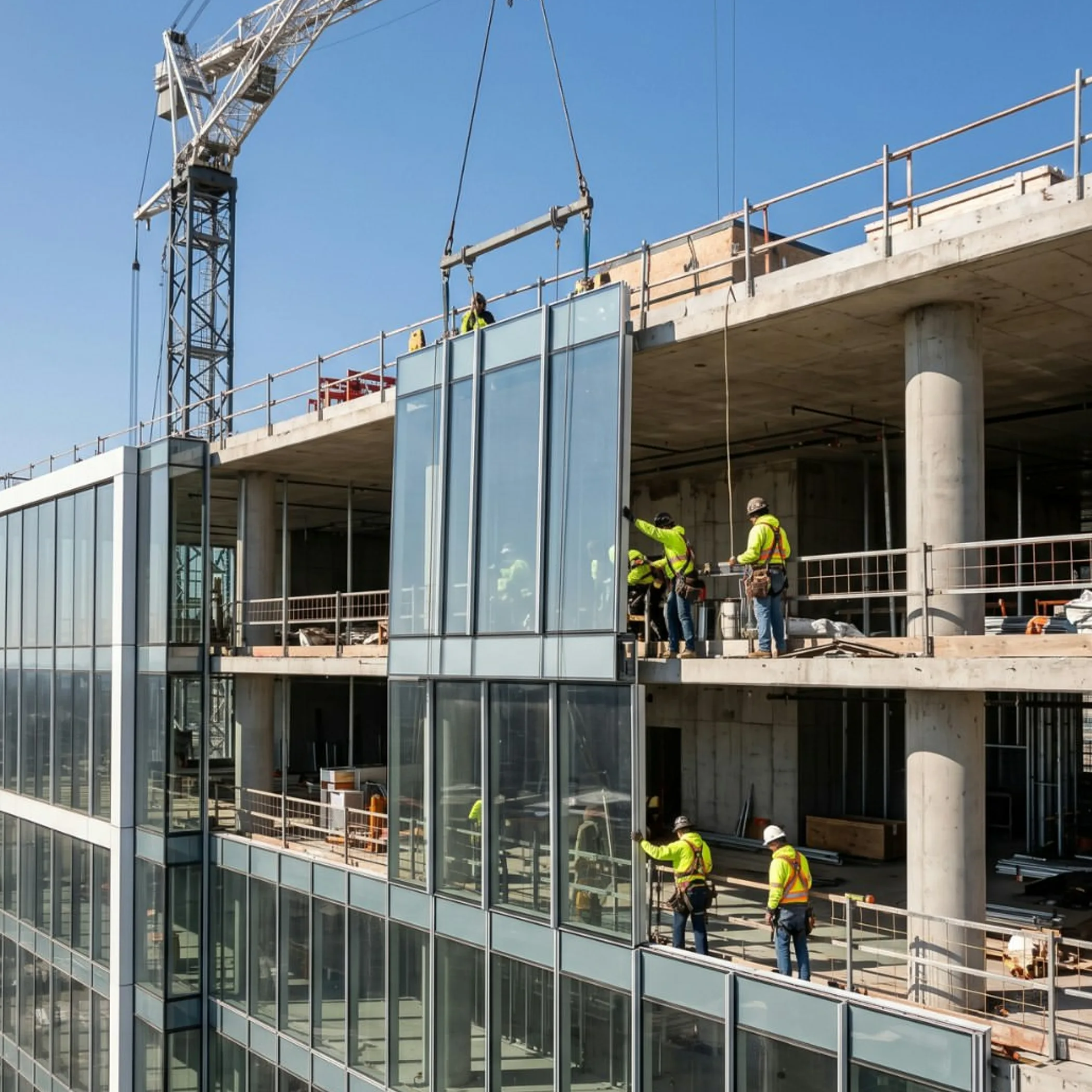
It is possible for an exterior facade system to be technically sound, but operationally it can fail if the site can’t be managed properly in terms of dealing with people, equipment and emergency services. All aspects connected to access planning should include the entrance to the roof, journey from the lift and loading bay, storage areas, pedestrian separation and a return to the shift after its completion.
For a new skyscraper consider including facade access in the design review prior to the roofs and plant rooms securing the facade geometry. For the existing building start from measuring the roof area, and have the drawing of the facade elevation. Mark every single anchor, socket, obstruction, balcony, ledge and area for a cradle.
Roof And Ground Access
Roof access cannot rely on workers moving heavy equipment through an occupied tenant area. Make sure the lift is able to get to the right level, is roof hatch appropriately sized, is the trolley able to turn at the plant-room door and does the roof surface have safe walking paths.
At the ground level, determine a safe exclusion zone. This could involve barriers, spotters, temporary footpath controls, delivery arrangements or coordinating with the council and building management. Do not be under the impression that a quiet footpath will remain quiet. A school drop off, a food truck and a courier van can change your empty location into a game of human pinball.
One-Day Maintenance Scenario
If the building manager has only one day, focus on the areas with known water entry points, damaged sealants, loose fittings or defects with safety-critical issues. Begin with your pre start briefing, equipment checking, and anchors evaluation. Ensure there is enough time for the due process of roof set-up, exclusion zone set up, monitor weather, execution, demob and written handing over.
A minor inspection may fit into a single shift. But typically a full facade clean would, especially for a tall building which has some balconies, is subjected to wind exposure or requires multiple access changes. It is appropriate to consider one day as an intervention for highly visible works rather than for a promise to repair every spot on the facade.
Budget For The Whole System
Project pricing has an enormous range in Australia, therefore is should be responsible to cost for a building and not from a generic cost per floor. A permanent BMU may involve, at least design, structural work, connection, controls, commissioning and ongoing servicing. A temporary structure may save capital cost but will increase mobilization costs and every job.
A rope access could be reasonably priced for a narrow inspection but isn’t suitable on its own for full-facade cleaning if you are planned to do so again in the future. The cheapest method you use today can put you in trouble tomorrow if it may require traffic control, no less than 2 crews on-site, repeated checking and long interruption of work.
Do factor in recurring costs such as every six months or annual inspection if the equipment requires it, compulsory testing, repairs, operator competency check, rescue drill, replacement ropes, corrosion treatment and records. Additionally, confirm quotes in AUD with your current suppliers, as costs of access equipment, labor, and compliance fluctuate between the cities and projects.
Fix Common Planning Mistakes
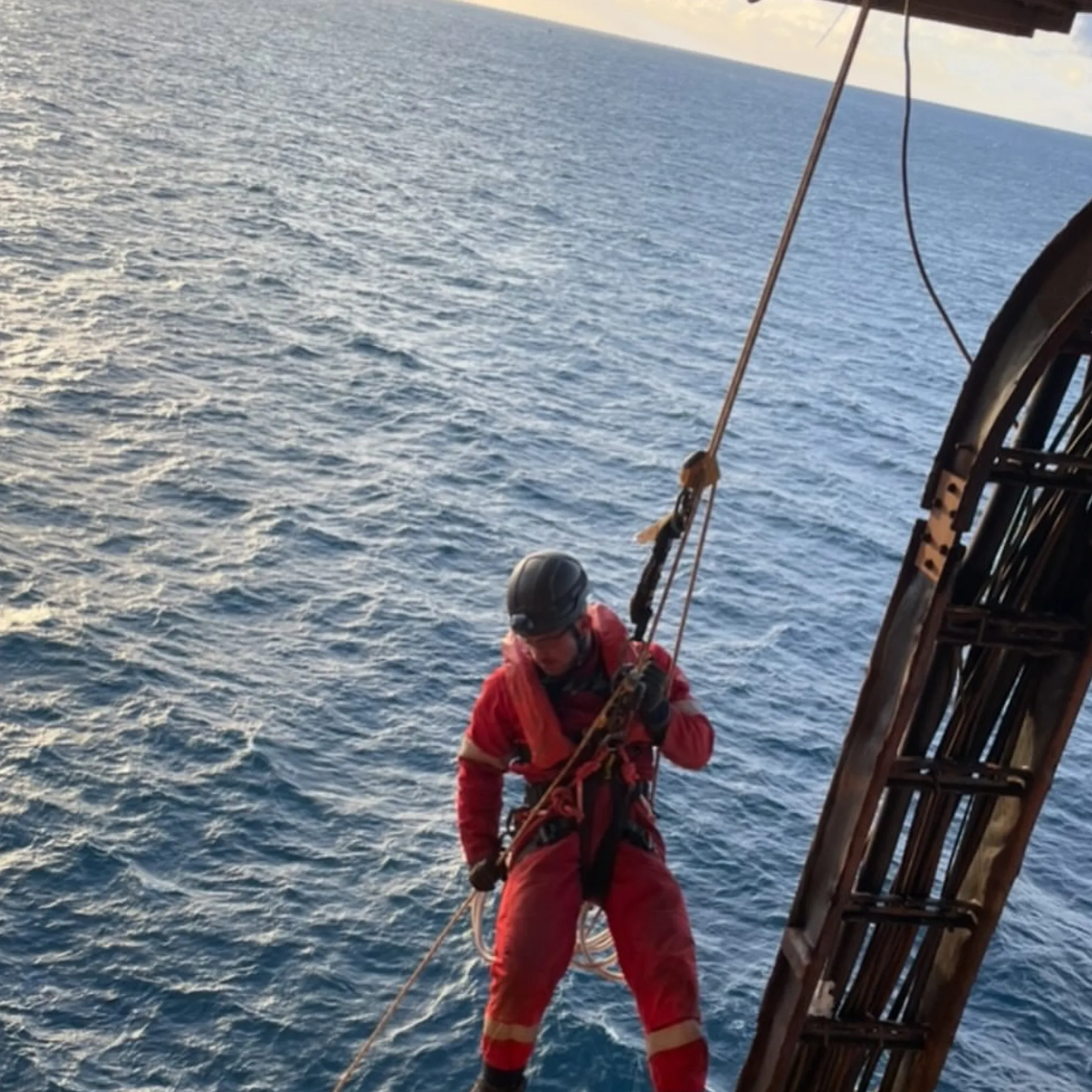
What people don’t usually take into consideration is the necessity for the system to serve not only facade inspection, but also include works for glass, repairs for sealant, emergency retrieval and façade examination.
- Selecting a solution or system before verifying the geometry of the façade.
- Relying on an unusable method of access.
- Neglecting rescue when the access solution awaits the onset of matters of concern.
- Not providing proper protection for sockets and tracks and neglecting corrosion.
- Delaying the tenant communication and ground exclusion settings until the working process starts.
Also, it is common mistake to think that you have planned everything when you have a certificate showing the system’s readiness. This way a certificate doesn’t give the evidence that a rescue operation could happen in case of an emergency or that the equipment reaches and places the worker at a sheltered balcony.
Expectation Versus Reality
Expectation: a permanent cradle gets access to any window. Reality: balconies, fins, awnings and geometry can create dead zones.
Expectation: rope access is efficient every single time. Reality: anchor checking, control measures inclusive or exclusion controls, planing of rescue operation and stopping works because of external factors could take longer than actual works.
Expectation: a large roof area. Reality: maintenance routes, installations of solar panels, telecommunications equipment and all functional units leave non-usable space for works at all.
Make Sure The System Will Serve Needs Of Users
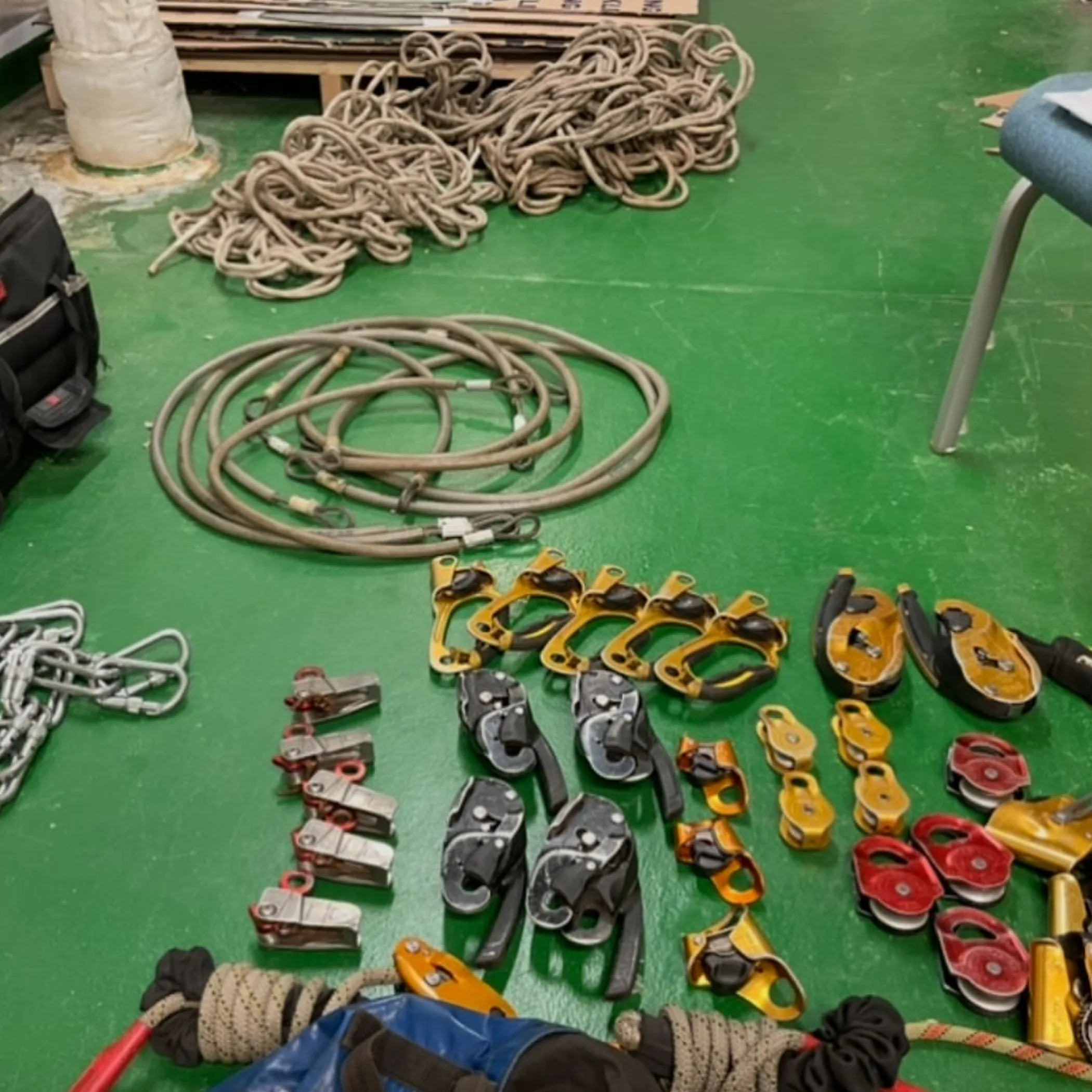
Permanent BMUs is a right fit for the owners expecting a great deal of works and have become a buyer of lifecycle management from the first days after the purchase, suspended platforms and davits is appropriate for average level of maintenance with adequate roof infrastructure and rope access is good for specialists of the respective field. This type of equipment is not appropriate for the untrained building personnel to operate. They would also be inappropriate if the building lacks verified anchors, safe roof access, trained supervisors or a reasonable rescue plan. If you can’t articulate how an incapacitated worker will be rescue from a facility, your planning has not been completed.
Answering the Frequently Asked Access Questions
The majority of questions boil down to three factors, safety, price and if the equipment will really get to the work face. The answers below address the misconceptions that arise after the quotation is approved and/or the scheduling of the work.
What is the Safest System?
There is no such thing as the only safe access system. Safety of any access system depends on the design of the structure, conditions of the equipment, operator competency, weather limits, restraint protocols, inspection regime and rescue protocols. A properly maintained building maintenance unit (BMU) may be the best system to use for one tower, where engineered access rope would be best for a small irregular area.
Can Rope Access Ever Replace A BMU?
Sometimes, but not always. Rope access may be able to be effectively perform inspections and some on-target repairs, however, it may not be technically sound for regular high-volume cleaning, heavy material applications or facade areas without verified anchors. Owners should be looking at a whole maintenance program, not just one task.
How Often Should Systems Be Inspected?
The frequency of inspection varies according to the equipment, produce directives, standards, workplace health safety obligations and site risk assessment. And maintain an accessible register of inspections, defects, repairs, trials, training and rescue rehearsals. Ask the equipment supplier and qualified inspector to confirm the schedule.
Is Facade Work Conducted In Wind?
Only if it is still within the parameters established by the manufacturer and risk assessment of the site. Wind speed at the level of the roof might be different from the prediction made for the street, additionally gusts may be more important than average reading. If the limits are exceeded or platform cannot be safely controlled, workers should stop working and go back to a safe position.
What Should Apartment Owners Ask?
Ask what accessing equipment is owned, who inspects it, and where the records can be found, which facade areas it reaches, what are you going to do in case of power failure and how would the emergency rescue procedure work. At last, ask if the annual maintenance budget already included access system not only window cleaning.
Make a Good Decision in 2026
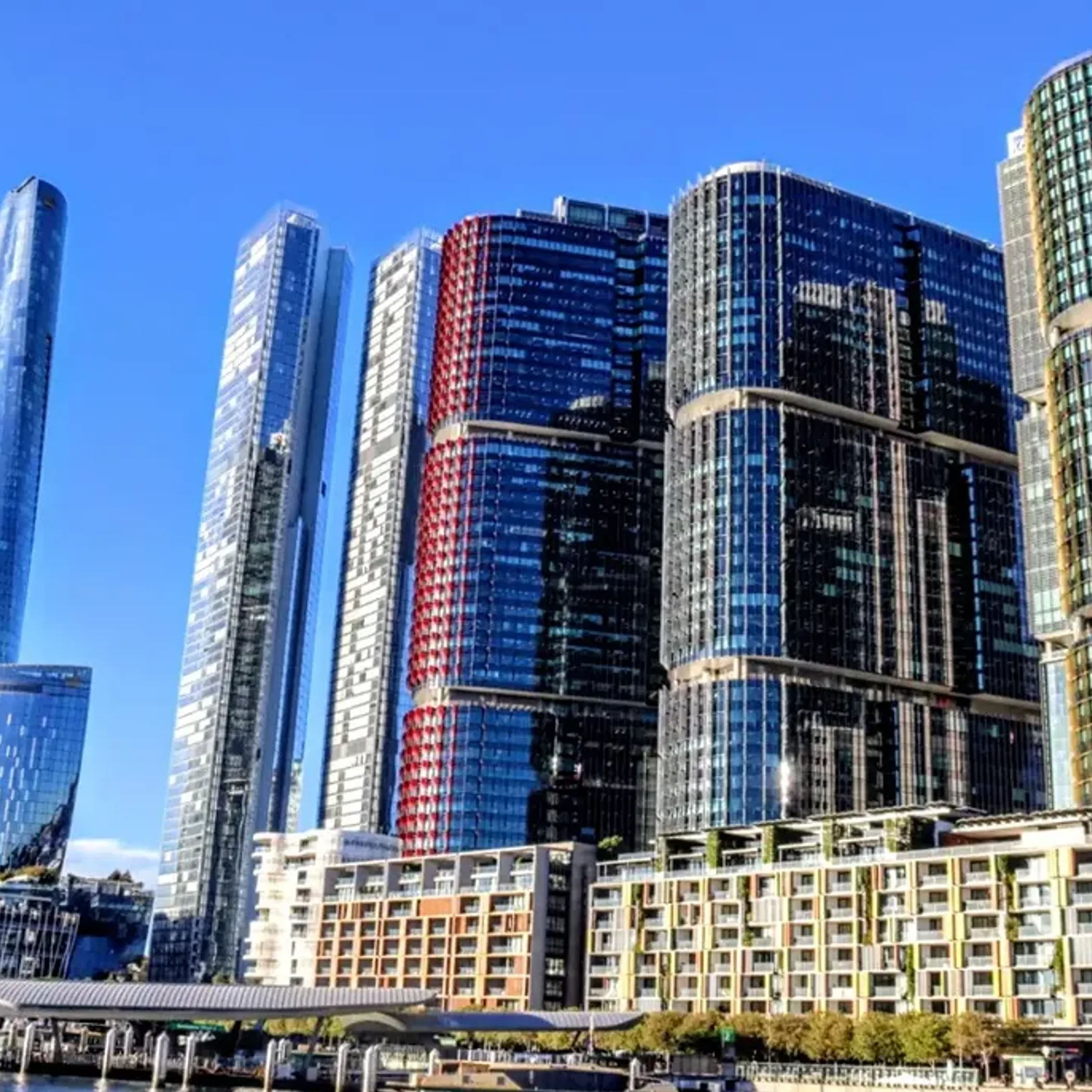
The best high rise facade access systems project in Australia in 2026 will be those that will have interconnected engineering, maintenance and safety for the workers from very beginning. Start from the facade map, mark difficult zones, check the roof construction, test the logistics and estimate the entire life cycle instead of just looking at first bill.
For tower owners, your practical take away is simple – use the access system that is safe for your building and your maintenance team can operate genuinely. A proper plan, realistic weather limits and rational rescue plan will always be better than clever equipment. While windows may still remain dirty, there is no need to become an afternoon attraction.
