One could put it down to the dry-season climate, calmer seas and better water clarity, but for the most part the ideal time to be on the reef is between June and October. There are also some sensible shoulder-season options in April, May and October. Come November and you will find the water warmer, but so too the humidity and rainfall, not to mention an elevated risk from marine stingers.
My name is Thomas Murphy, a travel writer of Irish-Australian make who calls Fremantle home. I have little patience for travel advice that does not acknowledge the sea can get up, or that your transfer might run long and the pricey lunch turns out to be a sandwich. What follows is a straightforward look at when to snorkel the Cairns, Port Douglas and Whitsundays sites, with some practical observations on safety, including snorkeling safety essentials, crowds, cost and the like.
Best Snorkelling Months In 2026
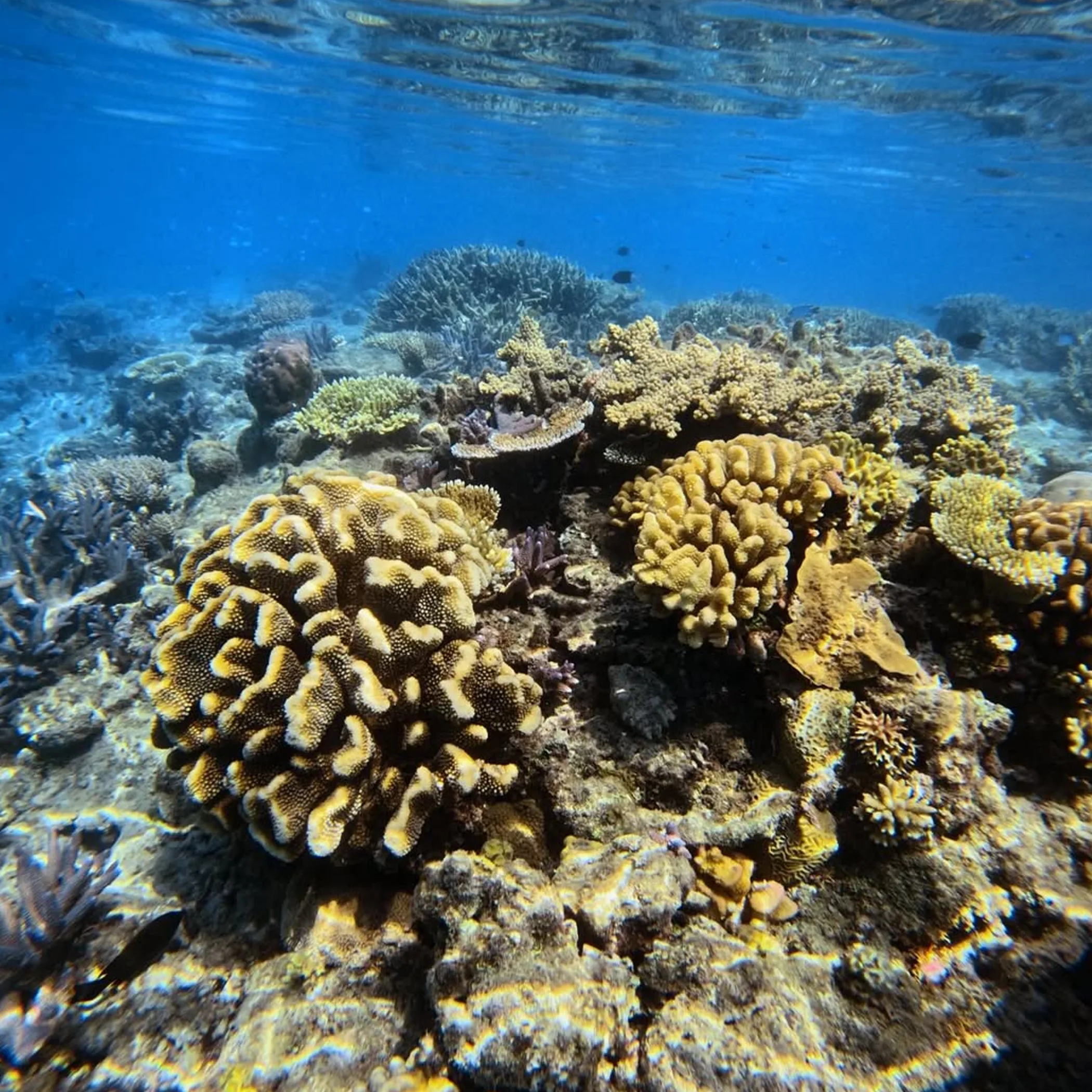
If you want a no-nonsense answer, plan for the June to October window. Northern Queensland is in its dry season then and you will as a rule have more settled conditions, less rain and lower humidity than in the wet months.
May or October are worth a thought if you would prefer to avoid the throngs and perhaps get a softer price on a tour. But ultimately the month you pick for the Great Barrier Reef is a matter of what you value. July and August will see off anyone wanting dependable weather; by October the water has warmed up ahead of the wet season.
Quick Seasonal Comparison
| Period | Typical advantages | Things to bear in mind |
|---|---|---|
| June to October | You get good visibility, the seas are calm and reef-tour conditions are to be relied upon, along with lower humidity | It is peak season for tourists and demand is higher in school holidays; the water is cooler |
| April and May | Value for money in the shoulder season, warm water and the towns are quieter | The wet season may have left its mark on the sea and there can be some rain |
| November to May | Lush scenery on the coast, coral spawning is possible and the water is at its warmest | Humidity and tropical rain are factors, as is the odd cyclone and the stinger season |
| June to November | Humpback whales are in migration in these parts of the reef | Do not count on a sighting, they are seasonal |
At 2,300 kilometres the Great Barrier Reef is no small thing and localities differ. A day in the Whitsundays need not be as tranquil as a morning in Port Douglas. The vessel you are on, where the operator puts you and the size of the boat will have a bearing on the experience.
Great Barrier Reef Snorkelling By Season
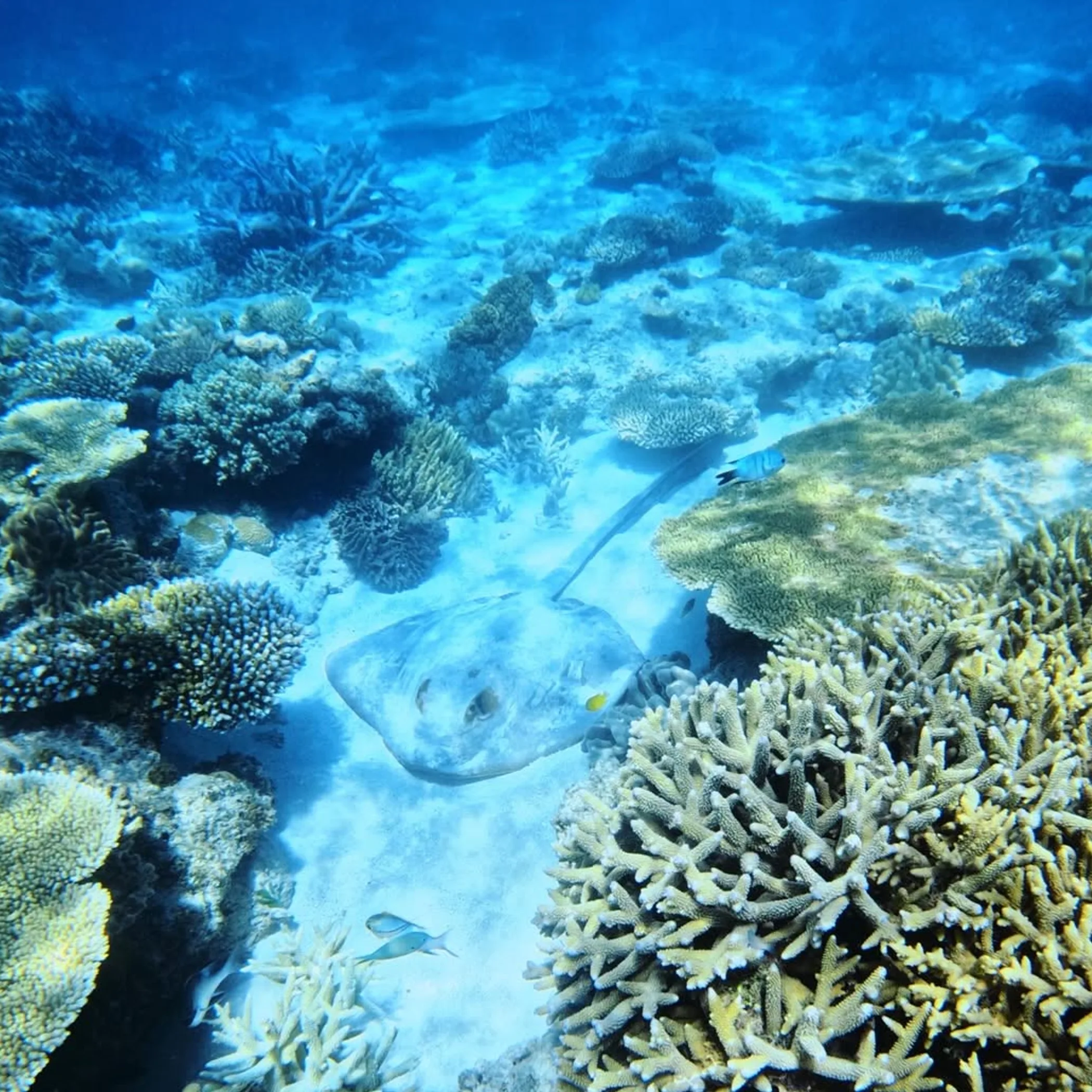
There is no point in hunting for some magic date, seasons are a better way to think about it. Tropical weather is not bound by any brochure and a reef that was easy enough one month can be windy and unsettled a few weeks on.
Here is the way the season tends to play out from the cool of the dry to the wet.
June To October
For a first timer this is the way to go. The seas are generally calm, the humidity is not so much of an issue and there is less of a chance of rain, though wind can be a factor at some of the outer-reef locations.
Expect water in the 22-26°C range give or take. A standard swimsuit is fine for some, but a thin wetsuit or lycra will see you through a long session without the need for heroic shivering.
It is a busy time too. The reef tours from Cairns have a habit of filling up in July and August and during school holidays. Put in your booking early if you require a family cabin, accessibility support or a smaller boat.
Value in April, May And October
These are useful months in the shoulder season, offering warm water without the numbers you see in mid-winter. May is a comfortable option for those wishing to forgo the heat but not the coldest water.
Then again, conditions are not set in stone. April can have its wet season showers and October will grow more humid. See what the forecast says and put it to your operator as to whether the reef in question is open to the wind or behind an island.
You may come out ahead on the cost of accommodation and tours in the shoulder season, but only if you do the sums on the whole package: the fare, hotel transfers, equipment and marine park fees.
Risks from November to May
The water is at its warmest, 27-29°C or so, which is all well and good until the humidity and afternoon storms set in and you have to factor in the stinger season.
In Cairns the stinger season is taken to be November to May for the most part, but jellyfish do not always stick to the calendar. It is not uncommon for a tour operator to offer a stinger suit and some sound advice. Put the suit on when told to, regardless of how benign the water may appear, like a pool in one’s own backyard.
Then there is the wet season with its heavy rain and the prospect of tropical cyclones. A cyclone warning is no cause for thinking all reef excursions are off; but expect alterations to your return time, the route or even the departure. If you have come to snorkel the reef, put some flexibility into your schedule.
Weather And Water Temperatures
You will find the weather on the Great Barrier Reef differs from month to month and from place to place, be it Cairns, Port Douglas or the Whitsundays. The northern end tends to be more humid and hot, whereas in the Whitsundays a stronger wind can make for less pleasant crossings to the reef and islands.
The following numbers should be taken as a guide for your planning, not a given. Rainfall, visibility and sea temperature are subject to rapid change, so do not leave without checking in with your operator.
| Month | Typical water temperature | What to plan for |
|---|---|---|
| January | 27-29°C | High risk of marine stingers in warm, wet and humid conditions |
| February | 27-29°C | Cyclones and wet-season rain are possible; have a back-up plan |
| March | 27-29°C | Humid and warm with the odd bit of unsettled weather |
| April | 26-28°C | A shoulder season where rainfall could abate but variability is the order of the day |
| May | 24-27°C | For the most part the weather is better and the water still warm |
| June | 23-26°C | Visibility improves with the cooler water as the dry season sets in |
| July | 22-25°C | Demand is strong for the cooler water and lower humidity |
| August | 22-25°C | Dry-season at its best; get in early to book the popular tours |
| September | 23-26°C | You will see clearer days though exposed sites are at the mercy of the wind |
| October | 25-27°C | Before the wetter weather makes its comeback the water is of a shoulder-season warmth |
| November | 26-28°C | Stinger precautions are called for as the water warms and humidity builds |
| December | 27-29°C | Warm and humid, storms of the wet season can occur |
Visibility at its best
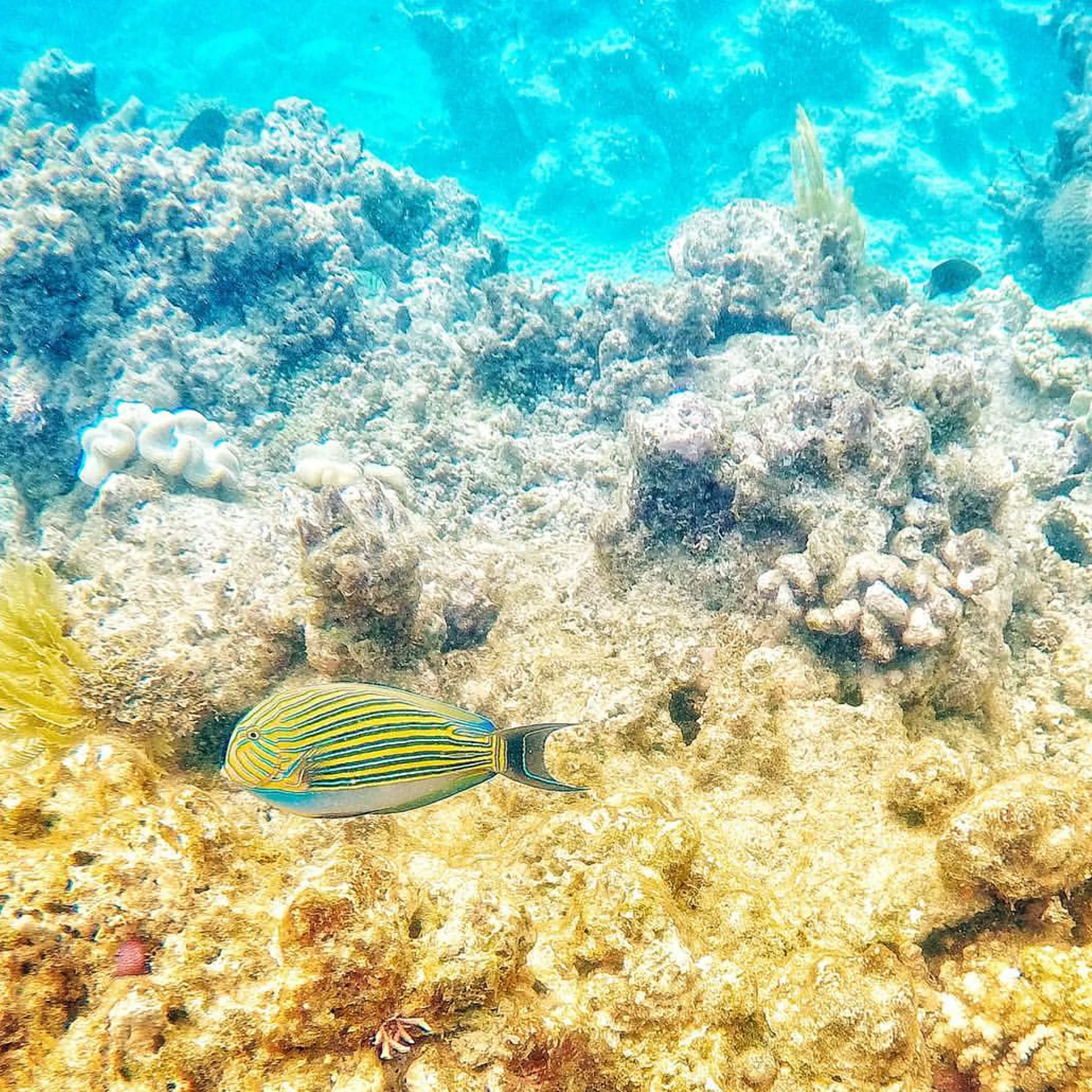
One might think the drier months, say June through October, will afford the clearest view under the water as there is less sediment being washed off the coast by way of heavy rain. It is a pattern to be sure but no guarantee. Currents, tides, plankton and the reef in question can be more telling than the calendar.
Clear skies do not necessarily translate to clear water, yet people make that assumption. After a strong wind a bright day can still be bumpy and obscure things below. On the other hand an overcast morning can be fine for snorkelling once you are at a sheltered reef.
Before you board, put three questions to your operator: How long will we be in the water? Is the site we are going to protected from the wind today? Which reef is it? You will be better served with more time at a reef that is not so well known than a hasty visit to one with a name.
Selecting Your Departure
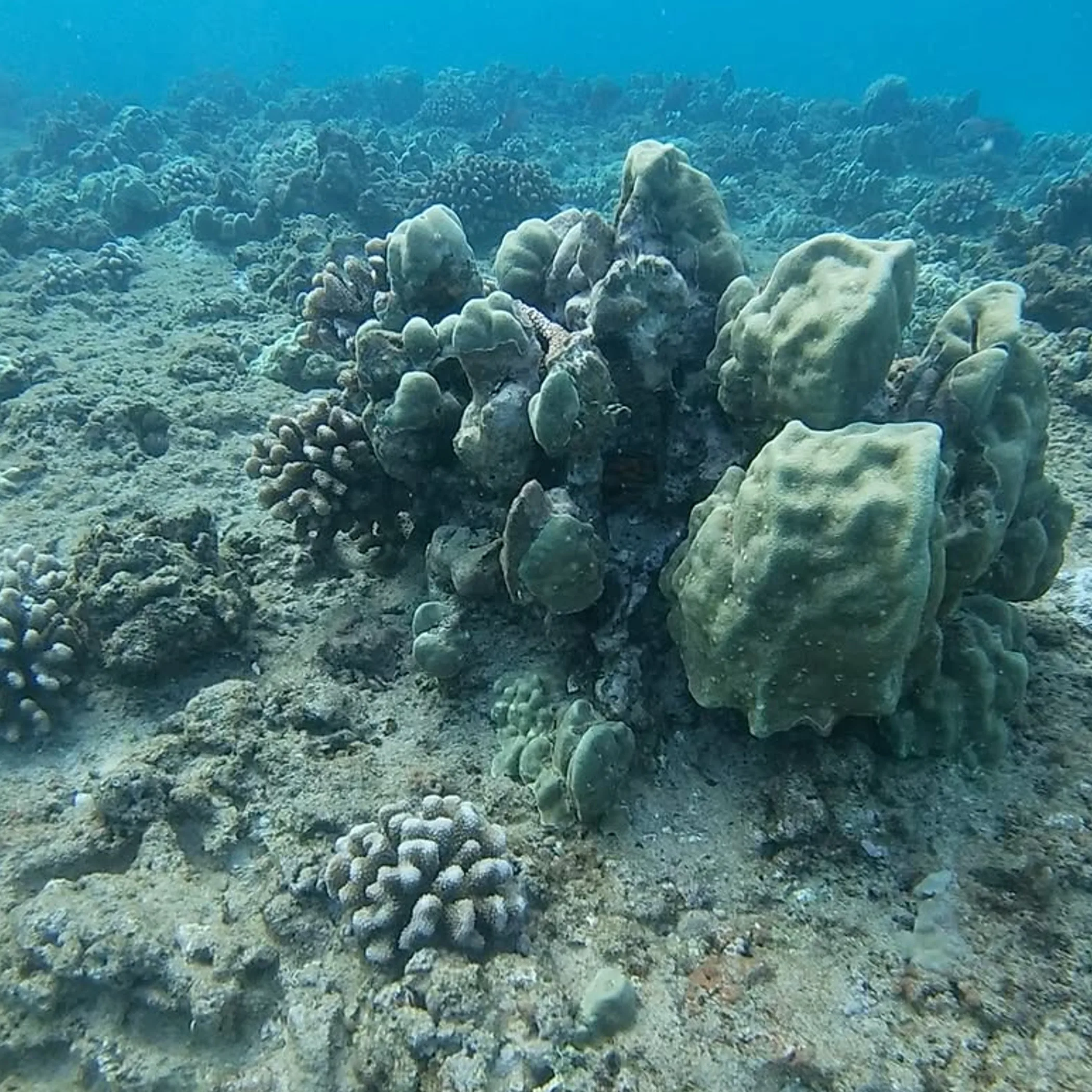
There is no one spot on the Great Barrier Reef to snorkel that will please every traveller. Whether you are after island views or the outer-reef structure, and what your transfer time and accommodation are like, will dictate the choice between the Whitsundays, Port Douglas and Cairns.
For an official take on the marine park and how a responsible visitor should conduct himself, the Great Barrier Reef Marine Park Authority has good information to consult prior to making a booking.
Cairns
If you want options, Cairns is the place. From combination trips to small craft and large catamarans, the selection of tours is the widest. It is a busy base with ample accommodation and airport access.
An early start at the marina is de rigueur for a day on the reef. Factor in the time for equipment and any hotel transfers. There is parking close to the waterfront but fees and availability are not to be counted on, so pre-arrange a transfer if you are not familiar with the city.
Port Douglas
For those who want a smaller resort town and a more direct line to the outer reef, Port Douglas is hard to beat. Being north of Cairns means longer from the airport, but the crossing to the reef can be shorter.
It is a relaxed affair with good restaurants and none of the urbanity of Cairns. Not the sort of place to be if you are intent on fitting a reef trip in between an early departure and a very late flight; you would be asking for a rough time of it before the first wave even breaks.
Whitsundays
Here the reef is part of a larger holiday proposition with island beaches and waterways in shelter. More to the taste of the casual snorkeller or family than a dedicated reef outing.
Open-water crossings and the course of a boat are at the mercy of the wind. Those with a tendency to get seasick would be well advised to opt for a bigger vessel, make yourself comfortable in the middle of the boat and consult a pharmacist in advance. There is no point in waiting till breakfast has been overtaken by the horizon.
Snorkelling Safety Essentials
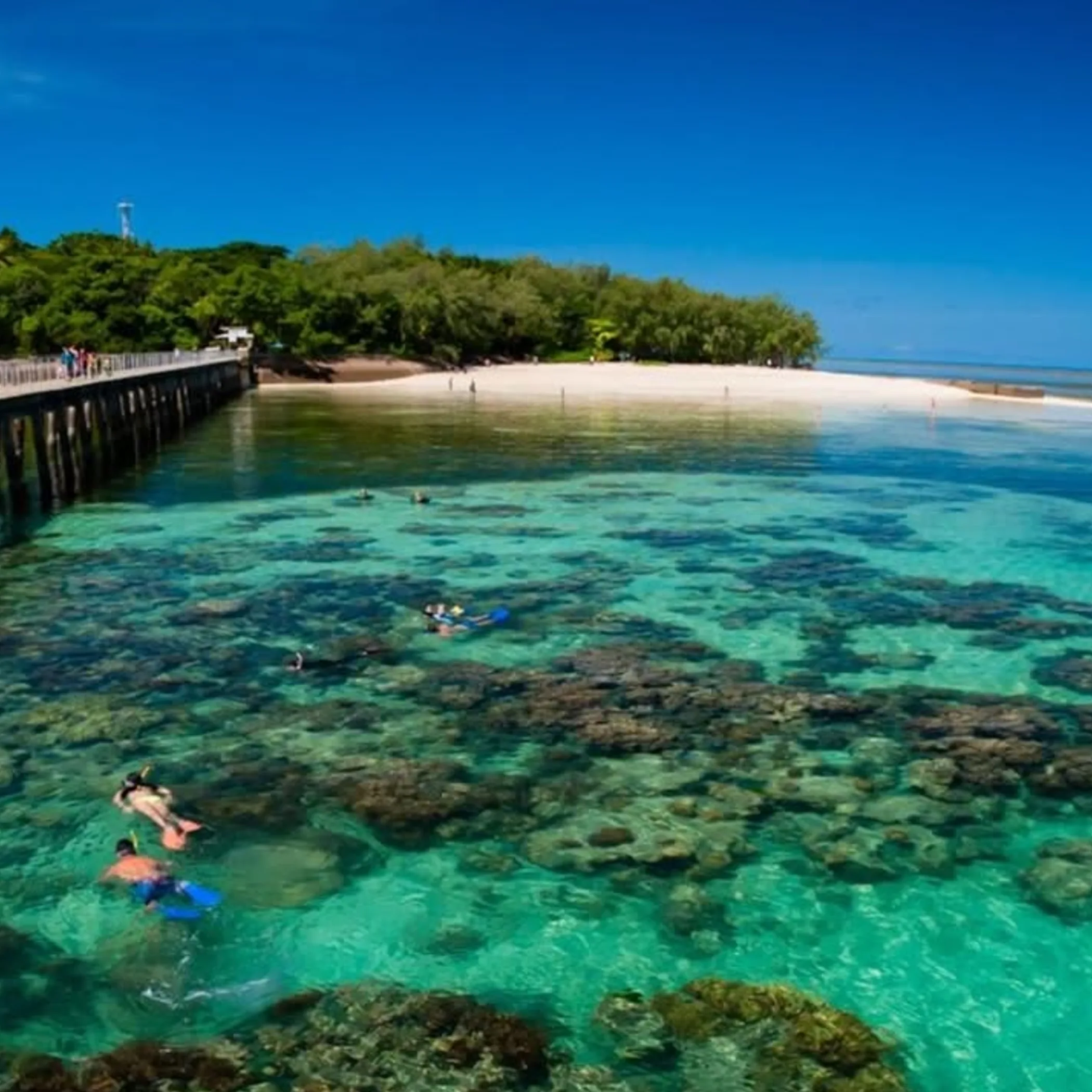
A bit of sunshine does not make for good snorkelling on its own. For the uninitiated or anyone new to open water, waves, current, fatigue and ill-fitting gear can put a damper on what should have been an agreeable day on the reef.
Heed the crew briefing and remain in the marked-off areas. Should you become cold, short of breath or anxious, let the staff know; they are accustomed to lending a hand and will prefer to do so before any need for a dramatic rescue arises. Put on the stinger or lycra suit as you are told and keep your distance from jellyfish and marine life. And do not stand on the coral or pursue wildlife for the sake of a photo. A hat, some drinking water and reef-safe sun protection are called for given what the Queensland sun will put you through. If confidence in the water is not something you have, use a flotation device and stick with your buddy or group.
Make sure your travel insurance is to hand and check the state of the sea and wind before you go.
Snorkelling is not for everybody. A booking should be preceded by medical advice for anyone with mobility, lung or heart problems. Older travellers, children or the nervous swimmer might find a pontoon, a glass-bottom boat or a session under the watchful eye of the staff more to their liking.
Plan Your Reef Day
When you have but one day to spare, make it a full-day trip out to the outer-reef from where you are staying. Do not put in three disparate stops just because the booking page tempts you to; time at the docks or changing boats is time not spent snorkelling.
By way of a planning figure, most put down between AUD 150 and 300 per adult for a full day on the reef, though expect to pay up for a premium small-group affair. Take that as an indication only, the season and operator will dictate the price.
See to it that the fare covers what you think it does: wetsuit hire, park fees, lunch, transfers and the like. Pack a dry set of clothes, a phone case fit for underwater use, a reusable bottle, some cash for incidentals and motion-sickness remedies. Leave the bulky luggage behind, there is little room on a reef boat and your suitcase has no need for a marine adventure. Pick your departure town for the transfer time and conditions rather than the lowest advertised fare.
- Pick your departure town for the transfer time and conditions rather than the lowest advertised fare.
- Book the excursion early in your travels to allow for rescheduling if the weather interferes.
- See to it that the fare covers what you think it does: wetsuit hire, park fees, lunch, transfers and the like.
- If you are liable to be run down by the sun or the sea, leave the following day unencumbered.
Frequently Asked Questions
What Is The Best Time Of Year To Snorkel The Great Barrier Reef?
June to October will give you the best of all conditions as a rule: calm seas, clear water and not too much humidity or rain. May and October are fine for a shoulder-season experience without the crowds.
What Months Is Stinger Season In Cairns?
The accepted stinger season is November through to May. That said, a jellyfish can show up at other times so wear a stinger suit when the operator says to and take local counsel.
Is It Better To Snorkel From Cairns Or Port Douglas?
Cairns has the preponderance of tours and transport. Port Douglas is a more laid back base with easy access to certain outer-reef sites. Go to Cairns for variety and Port Douglas for a holiday of a quieter sort.
Where Is The Best Place To Snorkel On The Great Barrier Reef?
That is a matter of the day’s route, how you swim and the health of the reef. You will find better coral and marine life on the outer-reef; pontoons and sheltered spots are for families and beginners.
When Is The Best Time Of Year To Dive The Great Barrier Reef?
Generally June to October is preferred for comfort and conditions. Some divers will make for November or December for the warmer water and coral spawning, but then visibility and weather are less of a sure thing.
Final Reef Planning Takeaway
Most will book their Great Barrier Reef snorkelling for the June to October window, with May and October as a serviceable alternative. The Whitsundays for an island and reef mix, Port Douglas for a resort base and Cairns for the range of tours on offer.
One should not assume the wet season is off limits, but from November to May a degree of patience and flexibility is required along with stinger precautions. Have a word with the crew and check the forecast. A good day on the reef is one where you have had safe time in the water, not how many attractions you can put a tick against come lunchtime.
