An afternoon of mugginess, a long drive or an evening in a room that won’t go under 28C is all it takes for heat rash to make an appearance in these parts. The way to prevent it in Australia is simple enough: put down the fancy creams and do what is plain and obvious. Keep the skin cool and dry, don’t let sweaty clothes stick to you for hours and minimise any rubbing.
In January you can have a week in Sydney that is nothing but sticky, or be in Brisbane, Darwin or Perth and the prickly heat will find the chest, back, neck, groin and under the breasts, as well as any fold that is holding sweat.
The summers here are tough on the skin. I am not talking about the beach or some heatwave on the Bureau of Meteorology app, but the blacktop at school pickup, vinyl car seats, synthetic uniforms, poor insulation in a rental and those 10 pm nights where the sheets are damp already. Once the rash is there and itching, you have been too slow.
Start With The Basics
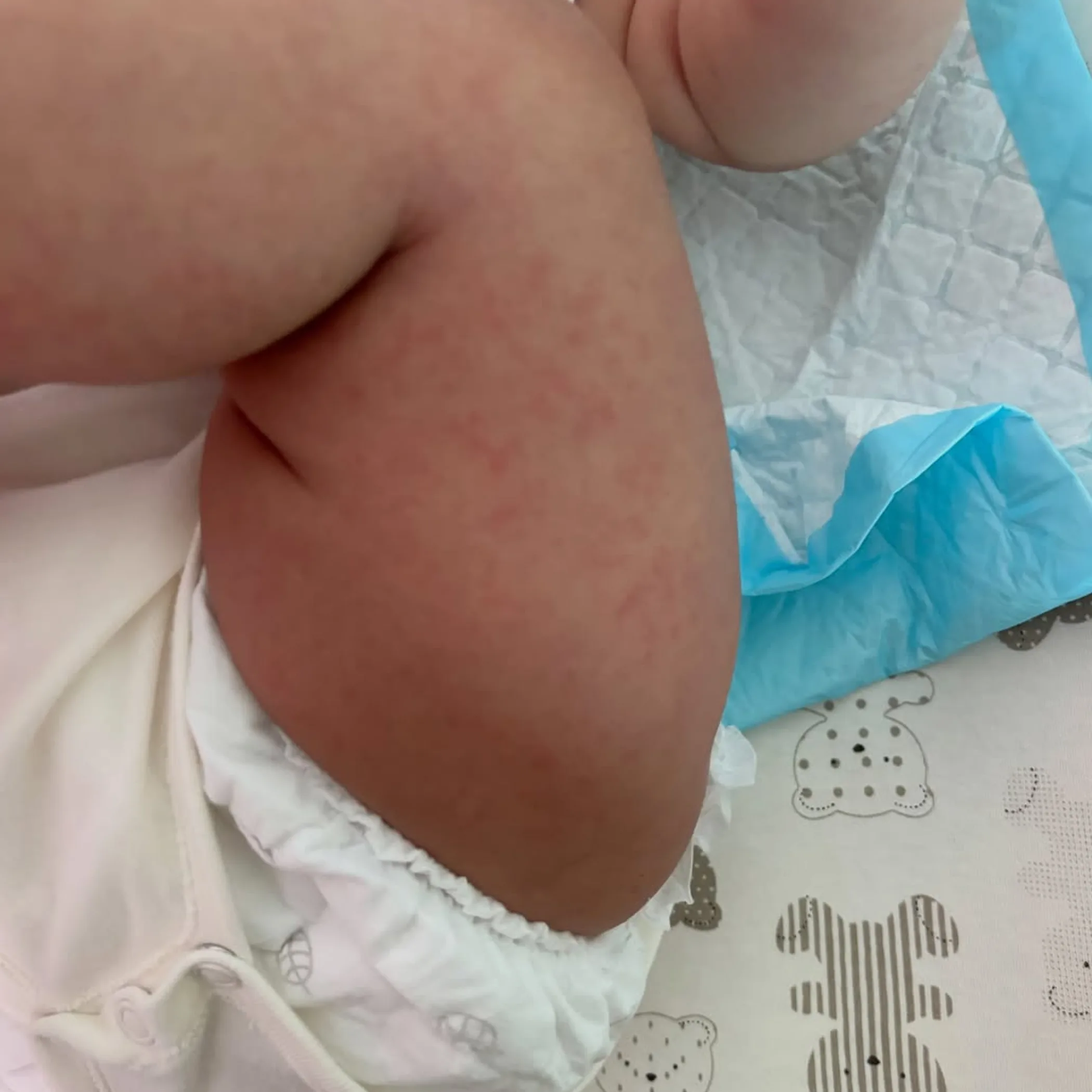
There is no need for an elaborate cream routine. Most would prefer one product to do the job but it is a matter of habit. You have to address the fact that the skin has been warm when it should have dried off half an hour ago, that fabric has been chafing the same spot and that sweat has been left to sit. Protecting your skin from summer heat sweat skin protection is important. This is not just something you get at the beach; I see it after gardening in western Sydney or a 31C night in Townsville, from wearing activewear past lunch or being in traffic with the air-con giving up.
What It Is
Call it heat rash or sweat rash or prickly heat, it is the same thing. The ducts become blocked, sweat is held under the surface and before long the skin is breaking out in tiny red bumps and a sharp itch. Healthdirect, Michigan Medicine and the NHS will tell you the pattern: put on tight or unbreathable clothes in the humidity and you will have stinging bumps. Put it in clinic-room language and your skin is fed up of being hot and rubbed all day.
Triggers
They are as repetitive as they are mundane. Friction, blocked pores, lack of airflow, heavy perspiration and the like. Throw in a waistband or shapewear, a nappy, a high-vis uniform, a sports bra still damp from a 6 km walk or three hours in a vinyl seat south of Perth and you have it made. Then there are tradies in PPE, babies and those with more pronounced skin folds who are prone to it. Train outdoors at 3 pm in February and you are putting your skin through it.
The Australian Factor
Our summers are unforgiving. One day you are in 39C in Adelaide, the next in Gold Coast humidity, then under some hard air conditioning and back out again with a shirt not quite dry. Steady conditions are not what you get in Australia.
People don’t give enough credit to the hot nights. If you don’t cool down properly you are going to be irritated and behind before you have had breakfast. So the kind of heat rash prevention you need in Australia has to be practical.
Then there is the way the day goes. A packed train in office attire, a car park baking at 3.15 pm for the school run, a long weekend with little airflow and a bedroom that doesn’t cool till after midnight. The weather app doesn’t cover it. For health guidance in an extreme heat situation, the first aid and symptom information from Healthdirect is worth looking at. Their recommendations for very hot days, to hydrate and limit exposure, will also keep the sweat rash at bay.
You would be surprised how many healthy adults put up with it every summer. Good hygiene is supposed to be the answer but if you have a bit of chafing under the arm or bra line, scrubbing at it in the shower will only enrage the skin. Sweat and friction are plenty. And you don’t need tropical humidity for it to happen. A dry inland heat will see to it the problem continues, be it a humid night inland or on the east coast where the sweat lingers.
Spot The Signs Early
There is no better time than early; home care will generally do the trick. But let it be while you put in two more days of sweating into the same shirt and the inflammation will be much worse.
It is an awkward business because a heat rash has a way of resembling eczema, contact dermatitis, a fungal infection or even a flare up of an old condition brought on by the heat. I make it a point to consider the timing, the location and what the individual was up to in the 24 hours prior to its appearance.
Common Symptoms
You will find the tell tale signs: a little itch or prickling, some mild swelling, red bumps or clear blisters, skin that is irritated but not in any deep pain. It tends to make itself at home on the neck, upper back and chest, the armpits, under the breasts, the waistline, groin and nappy area and other folds.
After a hot night or a good workout, or if one has been overdressed or travelling, I would put heat rash first. Should there be pus, crusting, fever, or skin that is hot to the touch and tender with pain that is spreading, I am not inclined to call it simple heat rash and have it examined.
Quick Comparison Table
| Condition | Typical Look | Common Areas | What Often Triggers It |
| Heat rash / prickly heat | Tiny red or clear spots, itchy and prickly | Neck, chest, back, groin, folds of the skin | Heat, friction from tight clothing, sweat |
| Chafing | Sore, red patches where the skin has been rubbed | Inner thighs, bra line, underarms | Walking, exercise, dampness |
| Fungal rash | A red patch with a defined edge at times | Groin, between the toes, under breasts | Prolonged moisture |
| Contact dermatitis | Flaky and red and itchy | Wherever the product made contact | Detergent, soap, dye, fragrance |
Cool It Down Fast
When it does start, act on it. The objective is to put an end to the rubbing and the sweating and to soothe the skin. Some will put up with a damp shirt for the rest of the day and by evening the rash is more pronounced and a harder case to put right than when it first began to prickle after lunch. There is no use in that.
First Steps At Home
Put some distance between yourself and the heat. An air conditioner is fine but a fan or a cool bath or shower will suffice provided you are prompt about it.
Dry off by patting. Not like one would scrub a ute clean of Pilbara red dirt.
Make an immediate change from anything tight or you have been sweating in.
Put on something of cotton or a fabric that breathes.
A cool compress for 10 or 15 minutes is good.
Let the area be uncovered and dry.
Hold off on strenuous exercise.
Leave the thick greasy creams alone.
What To Avoid
You can make it worse with over-treatment. A very hot shower, heavy oils, strong fragrances and exfoliants are all bad for skin in this state.
The mistake is to have a bath and then allow a skin fold to stay damp under your clothes for the next couple of hours, as though the shower had put right the rash. It has not. And don’t put a medicated cream on it at random. If in doubt as to what it is, keep things basic until a GP or pharmacist has had his say.
Build Better Summer Habits
For the most part prevention is a matter of habit, unexciting habit. Those with fewer problems have plain routines: they will not be in their damp gear running errands for three hours, they dry their folds and change after a sweat and see to it the bedroom is cool. A small fix is worth more than any grand plan.
Daily Prevention For Adults
Water is of some help in that an overheated body will perspire longer and harder, but on a 34C day it will not prevent prickly heat if your waistband is sawing at the skin and your shirt is adhered to your back. Airflow and the right clothing and timing are what matters.
If your job is outside or you train before work and then commute in office attire, have a spare shirt or underwear with you. It may seem fussy but it is good for the skin.
Stick to breathable fabrics and eschew the synthetic layers.
After a shower or rinse, be sure to dry properly.
Fans and air conditioning should be used to cool the work or bedroom space and bedding changed with greater frequency in a heatwave.
An anti-chafe product is called for on high-friction areas before a long walk or travel day.
When a heatwave is on the cards for tomorrow
Put your sleep arrangements in order before you think about what to wear or how to deal with the sweat and friction afterwards. The bedroom is priority number one; a rash has a way of being fed by two or three successive hot nights.
Attend to the skin folds, the bra line, underarms and groin first as they are prone to go to pot in a hurry.
Babies And Kids

A baby will be covered in heat rash from time to time. They overheat in an instant, then sit in a nappy or a pram and carrier where there is little air to circulate while they are sweating. It is not something parents should be hard on themselves over.
For the most part it is the environment. An overwrapped infant at naptime, a warm car seat or a pram cover that stifles the airflow when it is 32C outside, these things have a way of compounding.
Baby And Child Care
Keep the clothing on babies and small children light and loose. Should you feel dampness on their neck or back, put them in a cooler room. Healthdirect and the Raising Children Network would concur: simple cooling measures and unencumbered clothing are the way to go, shunning anything that might irritate.
On a hot day make it a habit to inspect the nappy region, the back and neck. After a long drive or a nap in a carrier those areas are the last to dry out. A cool bath is good if the child will have it.
What Needs Extra Care
The nappy area is where moisture and friction and occluded skin all come together so it warrants some attention. Put in more nappy changes, be gentle drying off and allow some nappy-free time. Then again, if the child appears unwell or the rash is spreading or infected, do not put it down to sweat and have it seen to.
There is a truth many are not fond of: much of what is put out as a summer nursery product is just pleasant-smelling clutter. Dry skin and a cool room will serve you better than yet another spray or tube.
Fabrics To Consider
Your bedding and clothes can be the difference. One will reach for a cream and put aside the polyester shirt that has been a nuisance since December. Breathable material lets the skin dry, whereas tight synthetics see to it the problem continues, be it a humid night inland or on the east coast where the sweat lingers.
Loose cotton is a favourite of many for its ability to let the heat escape. There is nothing wrong with a soft exercise fabric that wicks away moisture provided it is not too compressive. Do not overlook seams either. If rashes are appearing around the groin or under waistbands, examine the elastics and the cut of the garment and how long you are in your gym kit after a session. It is a common failing.
Bedding And Sleep
Make use of any airflow available with fans or air conditioning and stick to light sheets and bedding. On a stretch of 35 to 40C days an overnight run of the air con in a bedroom could be the only thing to preserve your sleep and skin. I will not pretend the power bill isn’t a consideration for the Australian household doing the sums on it each week.
Have a look at the bed too. You will be hot for eight hours if the mattress protector or doona is of the heavy, sweat-retaining type.
Be Sensible With Products
Some are of use, others are thick and medicinal for no reason. My advice on products tends to be conservative unless you know the rash well and the diagnosis is in doubt, as chemists are stocked with things that are not as helpful as they sound. The object is to put the irritation and moisture right without impeding the skin.
Star Pharmacy and the like, or a telehealth service such as 24-7 Medcare, will discuss symptom relief with you. Be more circumspect with any rash you are unsure of, particularly with children. Options of Use
Useful Options
You might be put in mind of a light soothing lotion, an anti-itch of the milder sort or a cooling powder for those areas where you are apt to sweat by your pharmacist. Eurax is a common query for itch; if it is appropriate will be a matter of the rash itself, how old the patient is and what the pack says.
Powder has its place so long as it is kept dry. But in damp skin folds it has a way of caking and becoming an irritant.
Things To Forgo
Thick ointments of the petroleum variety should be left off active prickly heat unless a clinician is of the opinion you should have one, they tend to occlude and keep the heat at the surface. One would do well to be wary of potent fragrances, anything too abrasive and the odd miracle cure found on the internet.
As for some vitamin being the answer to prickly heat in a healthy adult, there is no good evidence to back that up. You will find the clinical line from the NHS, WebMD, Michigan Medicine or Pinnacle Dermatology is fairly uniform: cool the skin, put a stop to sweating and friction.
When To Seek Help
Simple care will see most mild cases resolve. Not all of them.
Should the rash become severe or infected in appearance, or make a habit of returning and spreading, medical advice is in order. Once there is pain, swelling, crusting, pus or a fever it is more than a case of heat rash. A GP can determine if it is sweat rash, eczema, contact dermatitis, a fungal problem or what have you.
See A GP If
In the event of fever, red streaking, marked pain or pus, or if the person is unwell, make an appointment with a GP. Do the same if the rash is not abating after a few days of curbing the sweat and cooling down, or when recurrences are having an effect on work, exercise or sleep.
This is meant as general information, not a diagnosis. With an older adult, a baby, someone with diabetes or any form of skin disease or who is immunocompromised, I would not put off asking for advice.
A Word On Summer
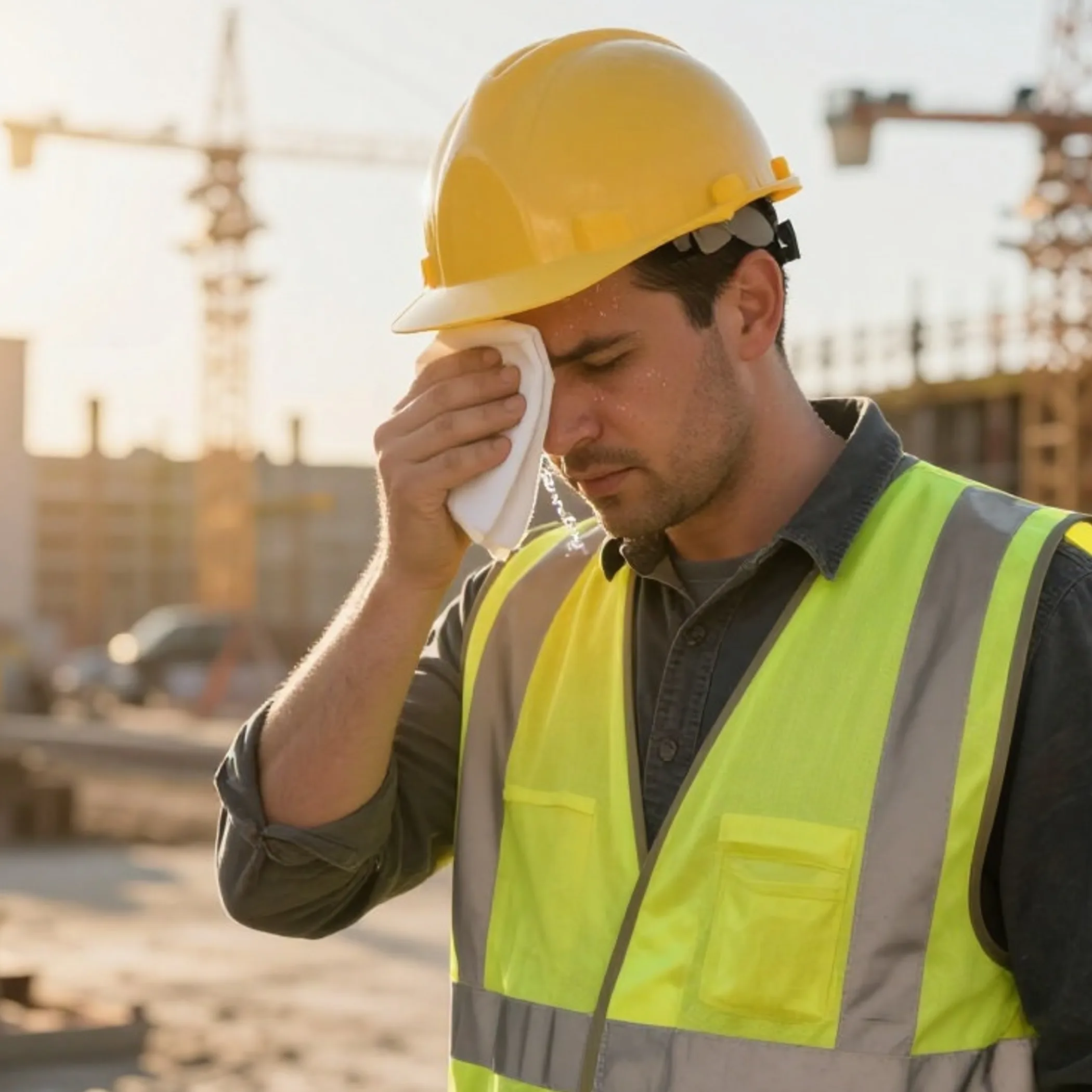
In Australia you come to the same conclusions for keeping heat rash at bay: better airflow, change your clothes in a hurry after a sweat, cool and dry skin and minimal friction. Make sure the folds are watched over and the sleep environment is right. I have a simple rule even on a foul January afternoon: if the skin is feeling hemmed in, put it right. A room made cooler and a dry shirt will put you to rights quicker than a trip to the chemist.
FAQ
Once the weather changes and the skin begins to react, these are the sorts of questions that are put to me.
How does one get rid of a summer heat rash?
Retreat to somewhere cooler and out of your sweaty clothes. Have a cool bath or shower and pat dry, no more rubbing. In a mild instance it will go in a few days provided you do not overheat. If it is spreading or looks infected, a visit to the GP is called for.
Why is there a rash every summer?
More often than not the triggers are the same: humidity, sweat, tight garments, friction from work or travel and not getting in the shower after exertion. If sensible measures do not prevent it, have it looked at, it may be something other than heat rash.
Prevention while on vacation?
Have some breathable clothing and a spare in your bag, along with a basic anti-friction product. Put on the air conditioning where possible and don’t leave damp gym or swim wear on. Long drives and flights are prime for sweat rash.
Is there a vitamin for prickly heat?
Not that has been verified in the general population. It is better to manage the friction and fabrics and let the sweat build-up dissipate.
Do adults and babies use the same products?
No, an adult product could be the wrong choice or cause irritation on a baby’s more sensitive skin. Stick to loose clothing and the basics for a baby and run any medicated item past the GP or pharmacist first.
