NT Parks Pass Guide
The rules for an NT National Parks Visitor Pass are not hard to follow provided you make a distinction between activity permits, camping fees and the cost of entering the park. In the Northern Territory you will find some parks that are free to get into but have their own conditions for camping or tours; others will want a booking or a paid pass.
Thomas Murphy has put together this guide to the ins and outs of the national parks in the NT: how to go about getting a pass, the entry requirements, what tends to trip up visitors and making ready for the kind of travel one does out here. It is best to consult the official information from the Northern Territory Government before you set off as they are the sensible place to start; fees, road conditions and opening hours are subject to change.
What Is Included In The Visitor Pass
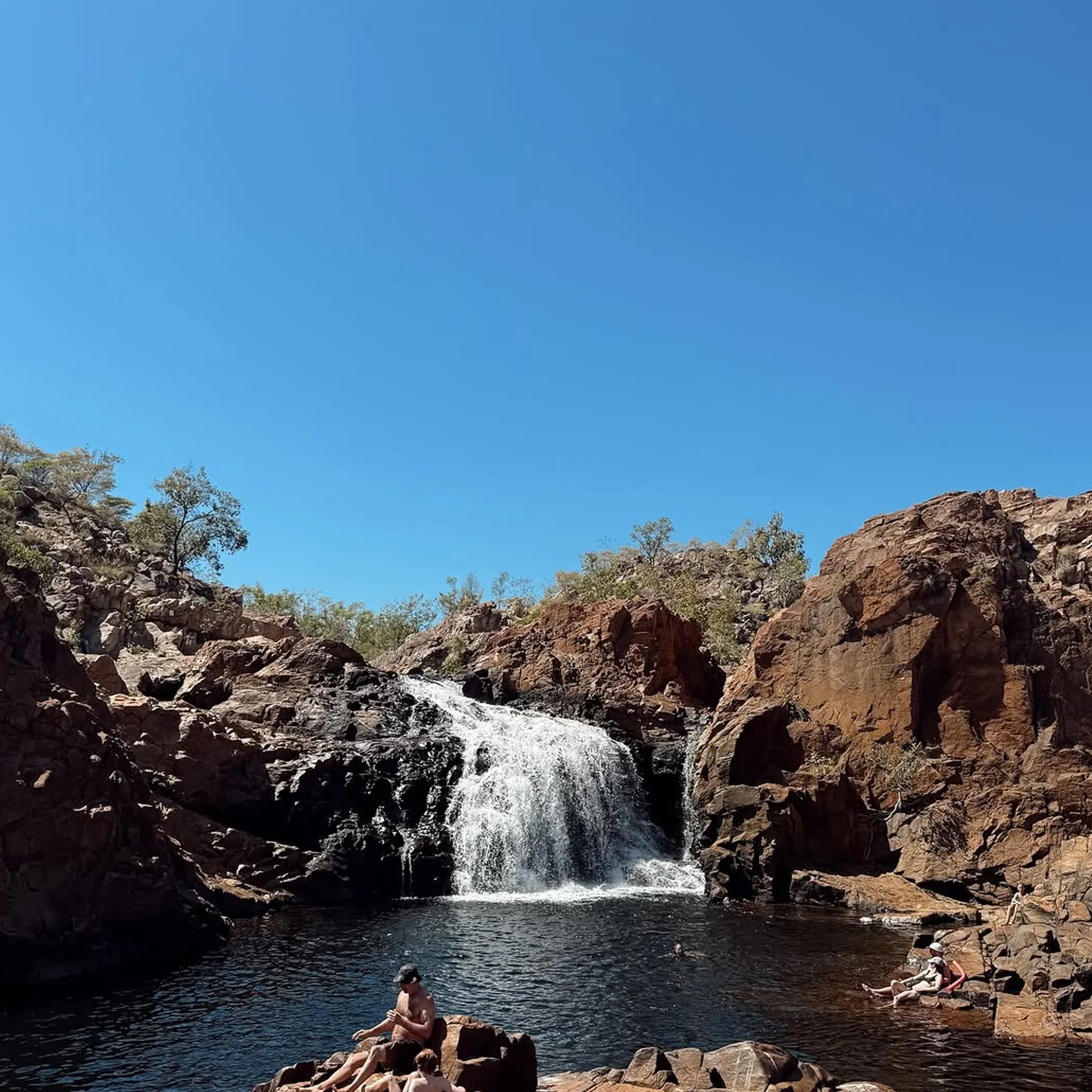
For the most part an NT parks pass is your ticket to use the visitor facilities and enter the reserves and selected parks under the Parks and Wildlife Commission Northern Territory. The type of pass and the park’s rules will determine if it is good for a day, several visits or a stretch of time.
Do not mistake a visitor pass for a blanket approval for road access or an activity or camping permit. For practical context, see NT national parks road access. It is only a piece of the necessary paperwork, not the whole of your bushwalking kit. Rangers may be interested in whether you have put in the form even if the mozzies are not.
Fees, Bookings And Passes
You could be looking at a day-use fee, an annual pass, a separate permit for the park or a charge for camping. Some of the more popular parks and attractions are run on a campground booking system and there will be different protocols for restricted areas, special events or anything with a guide.
The price of an NT parks pass is dictated by the category of pass, the park and if you are using a commercial service or just visiting for the day. Do not put too much stock in an old brochure from the glovebox or something you read on a forum when prices and conditions can be altered.
Entry Fees By Park
There is no one size fits all when it comes to entry in the Northern Territory’s national parks. The model employed at Kakadu, Litchfield, Nitmiluk, Watarrka, Tjoritja / MacDonnell or Uluru-Kata Tjuta will vary.
A particular activity, attraction or simply entering the park may come with a fee. In certain places an authority other than the Parks and Wildlife Commission NT is in charge of the visitor experience and so the process for payment and permits will be different.
Park-by-Park Overview
| Park Or Area | What To Check Before Travel | Common Access Considerations |
|---|---|---|
| Kakadu National Park | Check for seasonal closures, cultural restrictions and your camping and entry arrangements. | Long distances and wet season access are factors here. |
| Litchfield National Park | See what is available for camping and any fire or swimming-area alerts. | Expect temporary closures from the weather and busy sites in the dry season. |
| Nitmiluk National Park | Make your activity and camping bookings and check on access. | Requirements for water activities, the heat and walking conditions. |
| Watarrka National Park | Look at campground availability and the state of the walks. | Plan your water carefully in the Red Centre heat where services are few. |
| Tjoritja / MacDonnell National Park | Review access alerts and the rules for camping. | Prepare for the remoteness, creek crossings and variable surfaces. |
| Uluru-Kata Tjuta National Park | Note the opening hours and any cultural guidance. | Strict rules for visitors, strong winds and the demands of the walk. |
Consider this table a means of planning but do not let it stand in for the notice from the park. A road might be open in the morning and then shut after a safety check or some rain and flooding. In the NT the term “nearby” is often stretched.
Purchasing Your Pass
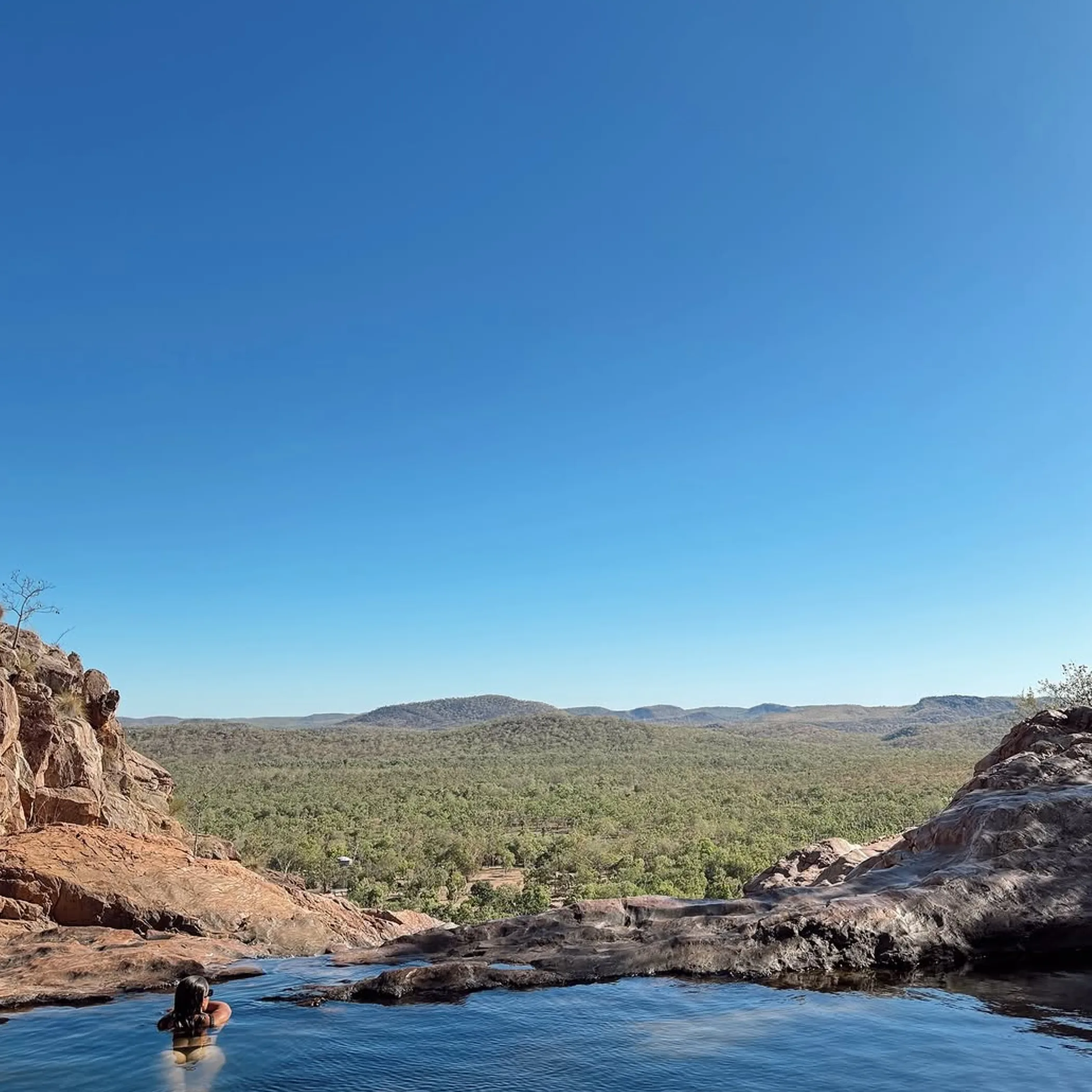
Before you part with your money establish what you are doing and where, and the date and accommodation. You can then see if an NT national park pass is called for or perhaps an individual park entry permit or some other form of approval.
Stick to the official channel for payment or booking at the park in question. Put copies of your receipts, permits and confirmations somewhere you can find them, digital or otherwise; mobile reception has a way of vanishing faster than a cold drink at a barbecue in Darwin.
Getting Organised
Have a look at the park’s page for any road alerts, what the opening hours are and if the campgrounds are full. Ascertain if you need a four-wheel drive to get to the site and if the visitor centre will be open when you arrive and whether they take cashless payments. Factor in some time for the odd bit of administration to begin with. There is nothing relaxing about an afternoon that ends with a late arrival to find the campground at capacity and the prospect of a few hours’ drive to refuel. Such errors are easily put right by a little forethought in your route and a booking check.
The Entry Requirements
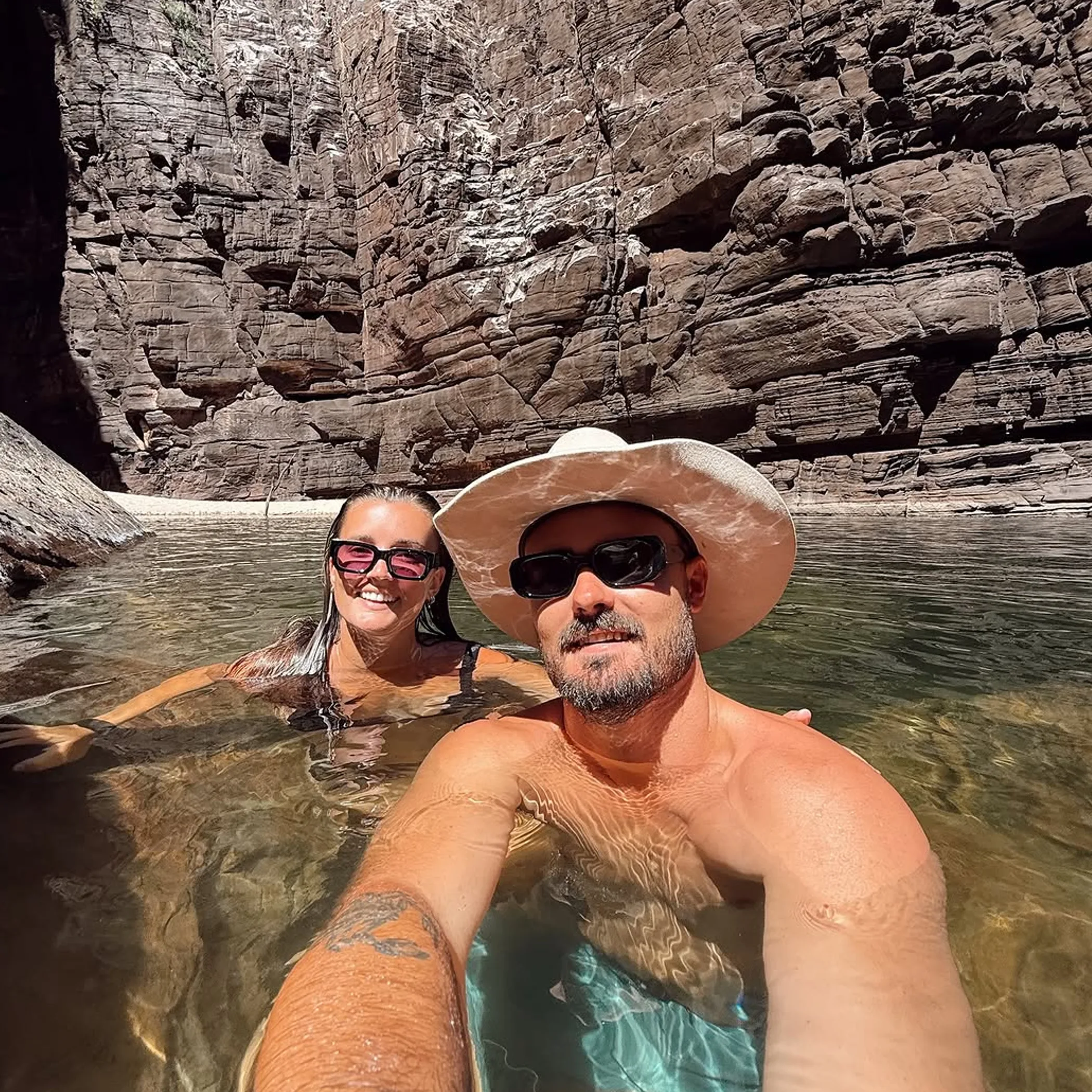
For the most part, getting into a Northern Territory national park is not as simple as turning up with a hat and a well stocked esky. There will be fees to settle, opening hours to respect, signs to heed and marked tracks to stick to. One must also abide by the safety and environmental regulations, as well as those of a cultural nature.
Then there are the restrictions placed on sacred or ceremonial ground, waterholes, photography and so on by traditional owners. Do not mistake these for optional; they are there to ensure visitors are respectful on Aboriginal country and to safeguard living cultural obligations.
Have The Necessary Information
Put it down on paper before you set off: entry confirmation, your booking number, a copy of the park map, any road notices and emergency numbers. Keep them offline. And if your plans take you off the main sealed routes, make sure someone back home knows where you have gone and when to expect you.
A word on vehicle access: while a two-wheel-drive will do for some of the more frequented sites, it is not suited to every track or campground. “We made it this far” does not make for a good recovery plan. Inspect your tyres and spares, your recovery gear and fuel range. See to your drinking water. Make certain you have the required permits and have paid the camping and entry fees. Verify the park is open and there are no wet season closures.
Stock up on first-aid, sun protection and provisions. Heed the signs on fire, wildlife and swimming. And leave a trip plan with someone who is not in the party.
- Confirm the park pass, entry fee, camping fee and activity permits.
- Check current opening hours, road conditions and wet season closures.
- Carry water, food, sun protection, first-aid supplies and offline maps.
- Read signs about swimming, wildlife, fire restrictions and cultural access.
- Leave a trip plan with a reliable person outside the travel group.
Permits for Camping and Activities
You might need to book a spot or put down a fee to camp in an NT national park; the rules are different for a managed campground, a commercial facility or a site under seasonal closure. An entry pass is not carte blanche to put up a tent anywhere. Regulations can pertain to the use of generators and fires, rubbish, pets, quiet hours and how many can be at a site. Access may be denied in some places for reasons of culture or dangerous conditions or to protect the local fauna.
Be Selective With Your Booking
Do not be swayed by a photograph alone, read what the campground has to offer. Is there shade, phone reception, a surface your vehicle can handle? A remote location has its quietness but that is another way of saying there is no mechanic or shop to call on for a quick fix.
As for four-wheel-drive tours, gorge cruises, fishing or other special access, enquire if a commercial booking or separate permit is in order. Have your receipt to hand and put the operator’s advice on footwear and physical demands to good use.
On The Road
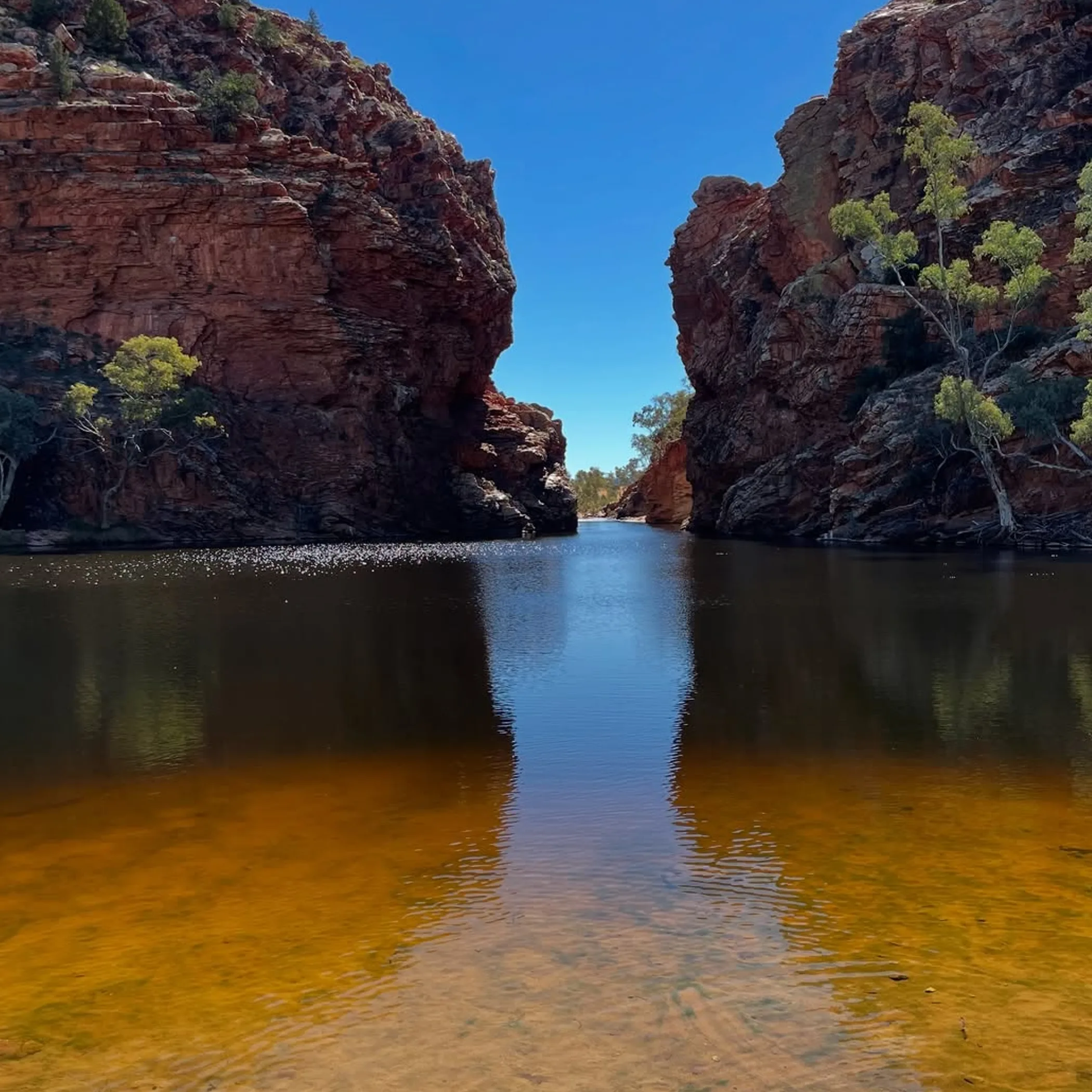
Weather, flooding, fire or a passing road train will dictate road access in the NT parks. In the dry season one has to contend with dust and corrugations, come the wet season some tracks are simply not to be had. Do not put much stock in a paper map as assurance the road is open and do not consider a closed gate an enticement to go around it in low range.
If you are not au fait with four-wheel driving, be conservative in your planning. Mud and rocky creek beds are hard on a vehicle and will see you waiting for help. Turn back early should things look bad, while daylight and fuel remain.
Match The Route To Your Vehicle
From November through April the northern areas can be under cyclone alert; pay attention to the official notices. Bushfire will close walking tracks and campgrounds in the heat of the day. On the Stuart Highway or out in the Top End and Red Centre, factor in contingency for the weather and your fuel rather than running to the last litre.
Remote Parks
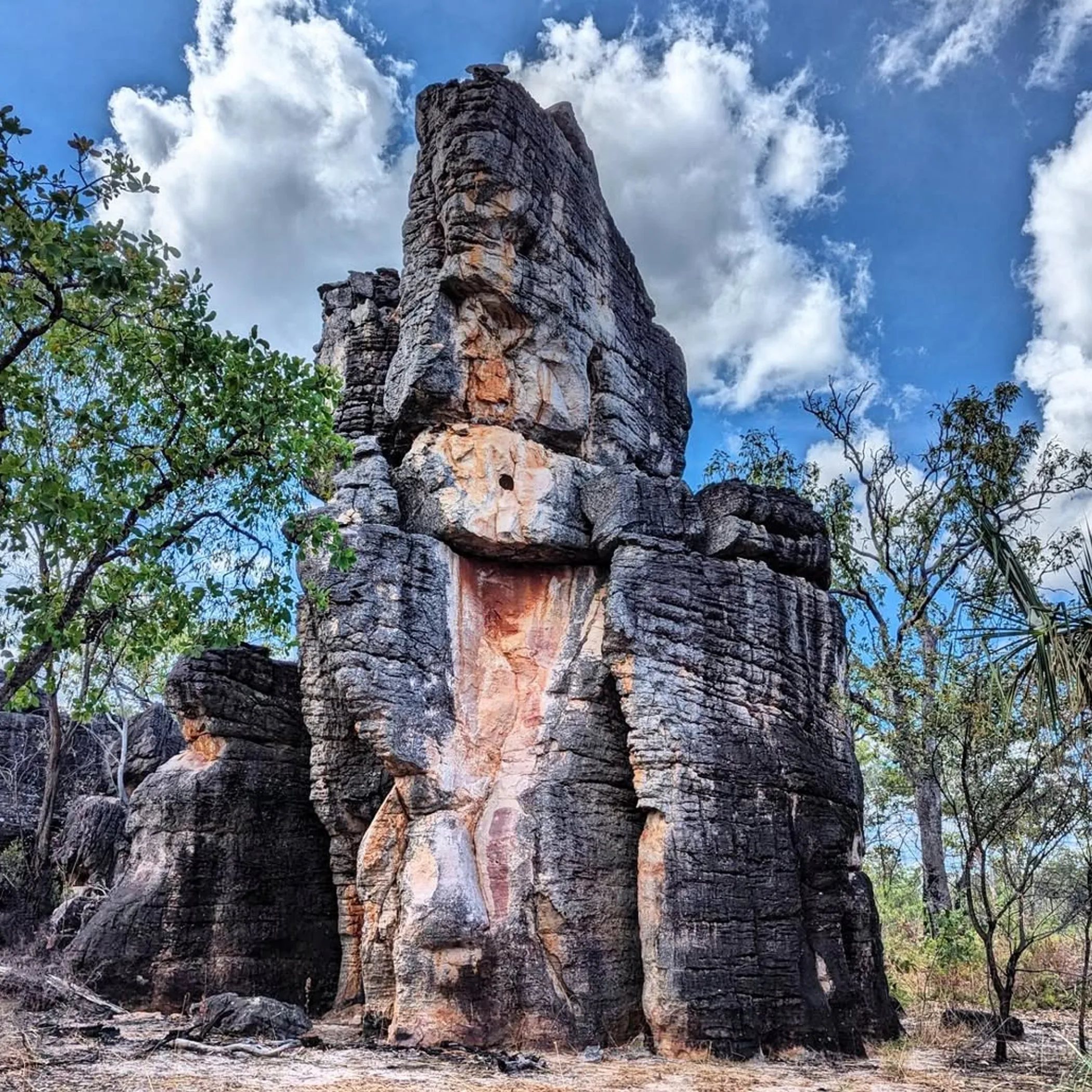
It is preparation that separates a good trip from having to talk at length with a tow operator. People will plan the views and then overlook the practicalities of water, food, communications and a way back. I know from my own early days of long hauls in Australia I was more adept at picking a place for lunch on the coast than I was at gauging the distance. You learn quickly enough that what the map renders as a short line will become a full day’s work with the heat and animals and road trains thrown in.
Make your itinerary a realistic one.
With a single day to spare, make of it what you can by zeroing in on one primary area close to where the park is most easily reached. A short walk or something well signed will do; factor in the heat and parking and be back before the drive home is an ordeal. One does not want to put a passenger in a bad mood with a hasty tour of half a dozen far off places.
This is for the sort of traveller who can put in some planning, is untroubled by facilities of a basic nature and understands that things are as they are. Not so much for those who insist on having phone reception, medical services at hand, sealed roads or an itinerary free of physical exertion.
- For a one-day visit, choose one priority attraction and one backup.
- For a camping trip, arrive with daylight left to set up and inspect the site.
- For remote tracks, travel with a suitable vehicle and recovery plan.
- For hot weather, walk early, carry water and stop before fatigue becomes a problem.
- For cultural sites, follow every sign and never enter restricted areas.
Expectation Versus Reality
You might think the pass is all that is called for. In reality you could be wanting a receipt for payment, an activity permit, up to date road info and a booking for camp as well.
It is tempting to believe a popular park has its supplies at hand. The truth is the visitor centre may have shut, there is no shop and reception is iffy. Do not be surprised by delays. Take what is essential and show the bush some respect. It is not being overly dramatic but then again you do want to be able to make it back.
Frequently Asked Questions
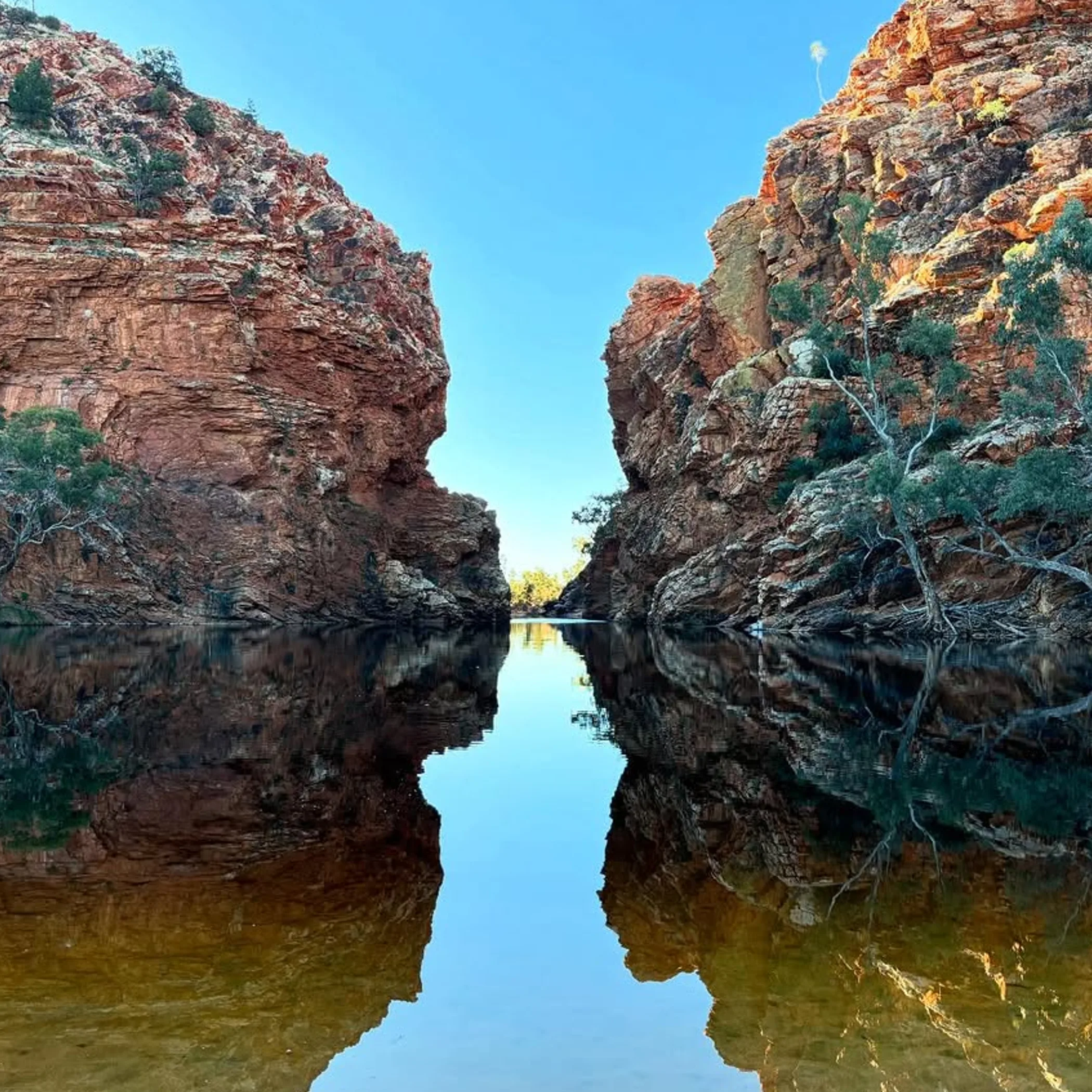
The following address the kind of misunderstanding that gets one into trouble at a gate or track entrance. Northern Territory conditions are not uniform so verify the rules for the park in question.
Is an NT national park pass required?
For certain parks or their facilities you will need a pass or to pay an entry fee, for others the arrangement is different. See what the specific park has in place before you go. Note that a pass is not always inclusive of camping or the like.
What will an NT parks pass set you back?
That is a matter of the visit and the type of pass. Old prices found on the internet should not be trusted; go by the official information.
Where is an entry fee in order?
You will find varying arrangements at Uluru-Kata Tjuta, Kakadu, Litchfield, Nitmiluk, Watarrka and Tjoritja / MacDonnell National Parks. Even if entry is taken care of there may be a charge for an attraction or for your camp.
Can one buy a pass online?
In some cases yes, via the channel the park designates. Put the confirmation away offline and see if anything needs printing. Do not presume the system is the same for every permit.
Are children in the NT exempt from a pass?
Rules for families and age inclusions differ by park. Have a look before parting with your money, especially with a group of teenagers.
Camping: is a permit necessary?
Depending on the park you may have to put in a booking or pay a camping fee. You are not to camp outside an approved zone unless the park says otherwise.
Will a two-wheel drive get you in?
Perhaps in some of the more frequented spots. But many a track or seasonal route and the more out of the way campgrounds are not accessible. Be sure to check on wet season closures and the state of the roads. Having a high clearance is not the same as four wheel drive.
And if a road is closed?
No going around the gates or the signs. Put in a call to the authority or visitor centre and fall back on your other plans. You may have to wait or turn back so have the time and fuel to do so without issue.
Make the pass part of it
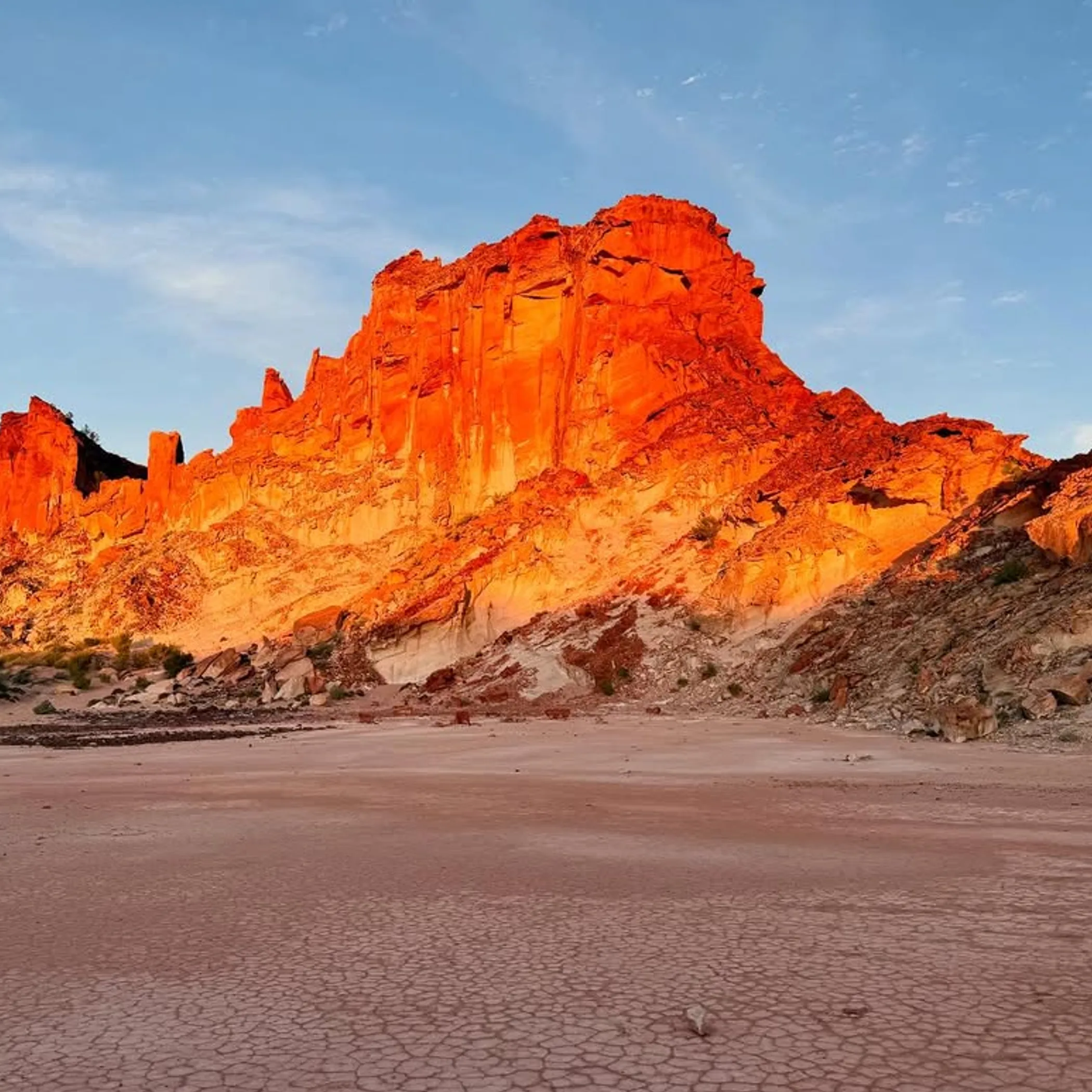
An NT parks pass is a necessity but only part of the equation for a trouble free time in the territory. Before you leave have the opening hours, fees, permits and access sorted. Then take along sufficient water and patience.
A little preparation of that order affords you the chance to enjoy the quieter side of things, a billy boiling at camp, a swim where allowed and the satisfaction of not having blundered into tomorrow by mistake. Anywhere in the bush that is a fine outcome.
